
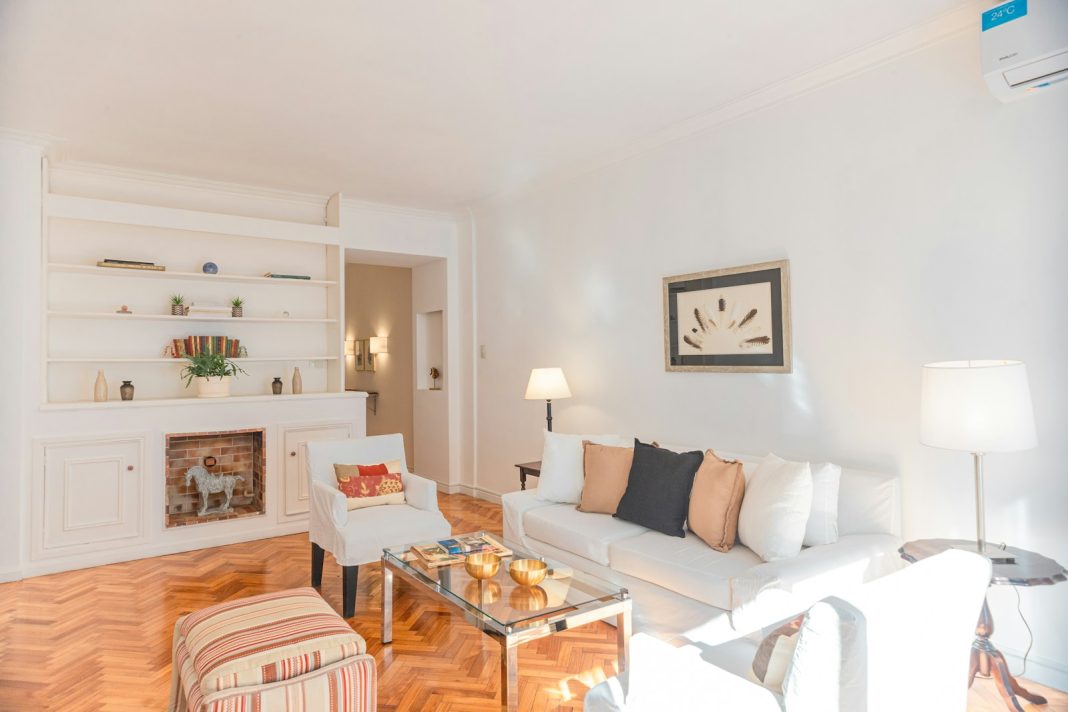

There’s something special about a living room that feels layered with history yet looks confidently present. Spaces that merge modern and vintage design elements have a quiet magic—one that tells stories without words. They offer the comfort of familiarity through vintage charm while celebrating the sleek lines and innovation of modern design. The result, when done well, is a home that feels both personal and timeless. Mixing these two styles, however, is not just about randomly placing old and new pieces together; it’s an art form built on balance, contrast, and emotional connection.
- Understanding the Spirit of Both Eras
Before blending modern and vintage elements, it’s helpful to understand what makes each style unique. Modern design, at its heart, values simplicity, function, and open space. Clean lines, neutral tones, and minimal ornamentation create a calm and uncluttered atmosphere. Vintage design, on the other hand, invites warmth and nostalgia. It thrives on textures, patina, and the imperfections that come with time. Where modern pieces whisper, vintage ones often hum with character.
The secret to harmony lies in respecting what each aesthetic brings to the table. Modern pieces act as the structure—the architectural backbone—of a room. Vintage pieces, meanwhile, are the storytellers that add depth and authenticity. When combined thoughtfully, they complement each other the way a strong melody and gentle harmony do in music.
- Start with a Clean Canvas
The most successful living rooms that mix old and new begin with clarity. Think of your space as a blank canvas: walls painted in soft neutrals, floors uncluttered, and light abundant. This neutral foundation allows you to experiment without the room feeling chaotic. A white, beige, or soft gray wall can make a mid-century teak console or a contemporary metal coffee table stand out beautifully.
Once the foundation is set, consider the architectural bones of your space. High ceilings, crown molding, or exposed brick might naturally lean toward a particular era. Instead of fighting these features, use them as part of the conversation between modern and vintage elements. For example, a modern sectional sofa can look stunning beneath a century-old ceiling medallion or next to a vintage fireplace mantel. It’s all about contrast and respect—allowing each element to shine without overpowering the other.
- Choose a Dominant Style and Let the Other Complement It
Balance doesn’t mean equal parts. Often, one style should take the lead. Decide whether you want your living room to feel primarily modern with vintage accents, or vintage with modern touches. This decision helps guide every choice that follows—from furniture to fabrics.
If your dominant look is modern, keep your core furniture simple and streamlined: a sleek sofa, minimalist lighting, and geometric shapes. Then, layer in vintage elements through smaller pieces—perhaps a worn leather armchair, a reclaimed wood coffee table, or antique brass sconces. On the other hand, if your room’s soul leans vintage, let a bold modern statement piece, like a sculptural lamp or a glass coffee table, cut through the nostalgia and bring the space back into the present.
The interplay between dominance and accent is what creates visual rhythm. It prevents the room from feeling like a museum or a design showroom and instead makes it feel like a home that has evolved over time.
- Play with Texture, Tone, and Contrast
One of the most delightful aspects of blending eras is the tactile experience. Modern design often brings smooth, polished surfaces—think metal, glass, or lacquered finishes. Vintage pieces introduce texture: the nubby weave of an old rug, the worn edges of a wooden sideboard, the gentle crackle of antique pottery. Juxtaposing these elements gives a room richness and sensory appeal.
Color plays a role here, too. Modern interiors tend to lean neutral—grays, blacks, whites—while vintage elements often feature richer, more organic tones. Mixing them requires a bit of intuition. For instance, a vintage Persian rug under a sleek white sofa instantly warms the room, grounding the modernity in history. Similarly, a matte black metal floor lamp beside a velvet Victorian chair creates an engaging tension that feels both fresh and nostalgic.
When mixing materials, trust your eye more than strict rules. If something feels right, it usually is. Interior design, at its best, is a reflection of personality rather than perfection.
- Curate, Don’t Clutter
It’s easy to get carried away when you love both modern and vintage styles. But the beauty of this mix comes from intentionality, not abundance. A living room filled with too many vintage finds can start to feel heavy, while one overloaded with modern pieces might seem sterile. The key is curation.
Each item should earn its place. Maybe it’s a framed photograph passed down from your grandparents, a Bauhaus-inspired side chair, or a handmade ceramic vase from a local artisan. Each piece should have a story or a reason. When you curate thoughtfully, your living room begins to feel like a visual autobiography—a space that reflects who you are, not just what’s trending.
If you’re unsure how to edit, take a step back and look at your room as a whole. Ask yourself what catches your eye first. If too many pieces compete for attention, remove a few and let your favorites breathe. Space is as important as the objects themselves.
- Lighting: The Great Unifier
Lighting has the power to harmonize contrasts in a mixed-style living room. A carefully chosen fixture can bridge eras gracefully. A mid-century chandelier over a modern coffee table or a sleek floor lamp beside a vintage reading chair can pull the entire design together.
Think of lighting as both functional and atmospheric. Use layered lighting—ambient, task, and accent—to create mood and depth. Vintage fixtures, especially those with brass or glass details, can soften the sharpness of modern furniture. Conversely, a contemporary LED light can give vintage corners a renewed sense of life.
Natural light also plays a vital role. Large windows or sheer curtains help keep the mix from feeling too heavy. The interplay of daylight across old wood and modern metal adds quiet poetry to the space.
- Personal Touches Make It Real
The best living rooms don’t look “decorated.” They feel lived in. Mixing modern and vintage gives you the opportunity to tell your story through design. Display a stack of art books beside a retro record player. Hang a minimalist print above a rustic console. Add throw pillows made from vintage fabrics onto a sleek sofa.
Plants, too, are great mediators between eras. A lush fern in a modern ceramic planter, or a fiddle-leaf fig beside a vintage armchair, adds organic softness. The goal is not to achieve perfection but to create a space that feels collected, not contrived.
- Embrace Imperfection and Change
A living room that blends modern and vintage is never truly finished—and that’s the beauty of it. Over time, you may replace a coffee table, discover a new thrifted treasure, or repaint a wall. The design evolves, just as you do. Embracing imperfection keeps the space authentic and alive.
Don’t be afraid of contrast or small inconsistencies; they’re what make the mix charming. A slightly mismatched side table or a modern painting in a weathered frame can become the conversation piece that gives your room personality.
- The Emotional Payoff
Ultimately, mixing modern and vintage design isn’t about following a formula—it’s about creating emotional resonance. The sleekness of the modern world can sometimes feel cold, while vintage spaces can slip into sentimentality. Together, they strike balance: order meets soul, innovation meets memory.
A well-balanced living room feels grounded yet forward-looking, sophisticated yet inviting. It becomes a space where stories unfold naturally—where a modern lamp might cast light over an antique book, or a contemporary sofa might host conversations surrounded by heirloom art.