
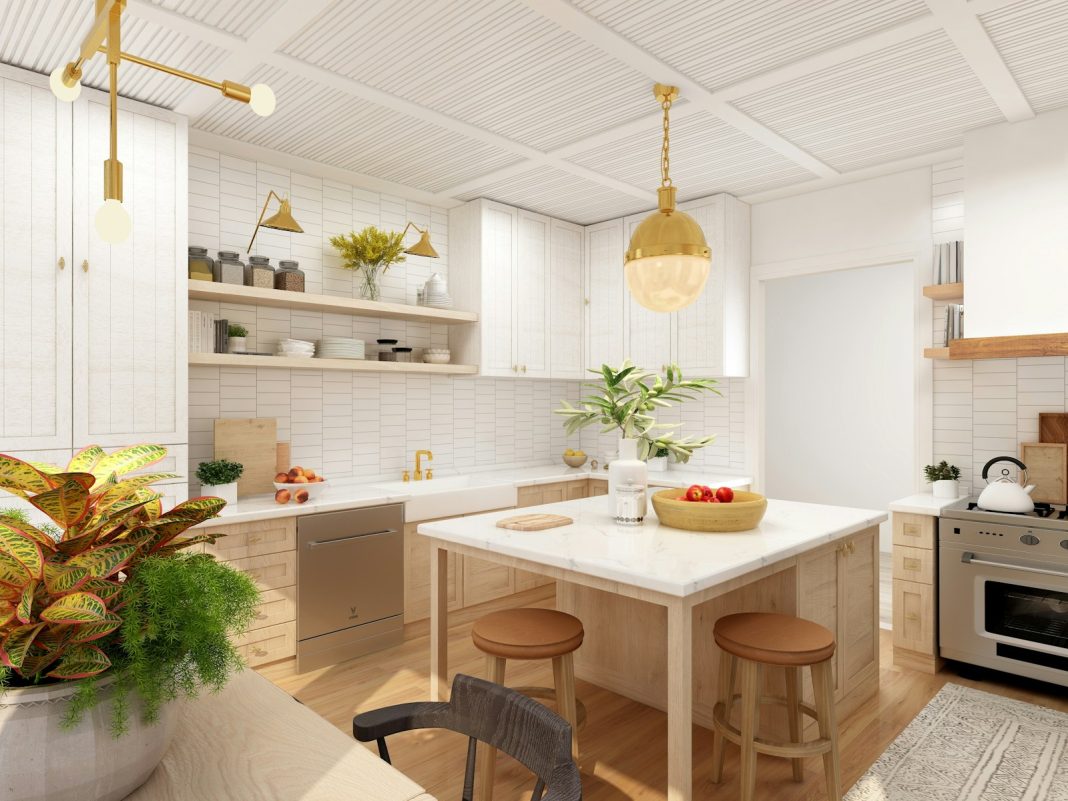

There was a time when the kitchen was a hidden corner of the home — a purely functional space, tucked away behind doors, where meals were prepared and the mess was kept out of sight. Today, that idea feels almost archaic. In the age of modern living, walls are coming down, boundaries are dissolving, and the kitchen has claimed its rightful place at the heart of the home.
The rise of the open-concept kitchen isn’t just a design trend; it’s a cultural shift. It reflects how people live, connect, and entertain in the 21st century. The kitchen has evolved from a utilitarian workspace into a shared environment — one that merges cooking, dining, and socializing into a single harmonious flow.
Let’s explore how the open-concept kitchen became the cornerstone of modern living — and the ideas, design choices, and small innovations that make it both functional and beautiful.
The Philosophy of Openness
An open-concept kitchen isn’t just about knocking down walls; it’s about embracing openness as a way of living. It’s a design philosophy that values connection — between spaces, between people, and between daily activities.
In a traditional home layout, the kitchen was often separated by partitions or doors, isolating the cook from the rest of the household. Modern families, however, value togetherness. The open-plan design fosters interaction, letting parents cook while keeping an eye on the kids, or allowing friends to gather around the island as a meal comes to life.
This fluid connection between kitchen, dining, and living areas creates a sense of unity. Conversations can flow naturally from the stove to the sofa, making the home feel more sociable and dynamic. It’s less about formal entertaining and more about shared experience — cooking as community, not chore.
Designing for Flow and Function
At the core of every successful open-concept kitchen is balance — the art of combining function with freedom. When walls come down, every element has to earn its place. The layout must guide movement intuitively, ensuring that cooking, dining, and lounging coexist without chaos.
The kitchen triangle — the classic design principle linking stove, sink, and refrigerator — still applies, but in open layouts, designers often extend the concept into zones. For example, a prep zone might transition seamlessly into a dining zone, separated only by a kitchen island.
That island often becomes the centerpiece — a bridge between spaces and a hub for activity. It’s where kids do homework while dinner simmers, where guests perch with glasses of wine, and where the host can stay part of the conversation while cooking. A well-placed island adds both aesthetic focus and practical utility, redefining how the kitchen interacts with the rest of the home.
The Beauty of Light and Space
One of the greatest gifts of open-concept design is natural light. Without walls blocking the flow, sunlight travels freely, bouncing off reflective surfaces and filling every corner with warmth.
A bright, airy kitchen feels instantly more inviting — and larger than it actually is. Light colors enhance this effect: soft whites, warm grays, or pale woods create an atmosphere of calm sophistication. For contrast, touches of matte black or brushed metal add modern depth.
Strategic lighting plays an equally important role. Pendant lights above the island, recessed ceiling fixtures, and under-cabinet LEDs all work together to define zones while maintaining a cohesive glow. The key is layering — using light not just for visibility, but as a design tool that shapes mood and highlights texture.
Merging Materials for Modern Character
Because open-concept kitchens flow directly into living spaces, the materials you choose must complement the entire environment — not just the cooking area. The goal is cohesion without monotony.
Natural wood tones bring warmth and texture, especially when paired with sleek quartz or marble countertops. Exposed brick or concrete walls add an industrial edge that feels raw yet intentional. Metallic finishes — brushed brass, matte black, or stainless steel — introduce subtle luxury without overwhelming the senses.
One clever design move is to repeat materials across spaces. For example, using the same wood for kitchen cabinetry and living room shelving creates a visual thread. Similarly, matching the kitchen’s backsplash tiles to accent details in the dining area helps blend the spaces seamlessly.
Storage: The Invisible Hero
Open kitchens demand cleanliness — not in the sterile sense, but in visual clarity. When your kitchen is on display, clutter has nowhere to hide. That’s why thoughtful storage is non-negotiable.
Deep drawers replace bulky cabinets, maximizing accessibility. Pull-out pantries, built-in spice racks, and hidden appliance garages keep essentials out of sight but within reach. Even seating can serve a dual purpose — bench nooks with hidden compartments or islands with integrated shelving offer storage disguised as design.
Minimalism doesn’t mean emptiness; it means everything has a home. A tidy, well-organized kitchen feels not just modern, but mindful — a reflection of intentional living.
Defining Spaces Without Dividing Them
One challenge of open-concept design is maintaining spatial definition without reinstating barriers. The solution lies in subtle separation — visual cues that define zones while preserving openness.
Area rugs, changes in ceiling height, or variations in flooring can all delineate spaces organically. A shift from hardwood to tile around the cooking area, for instance, subtly signals a transition from living to kitchen without a physical wall.
Furniture placement also plays a key role. A sectional sofa can face away from the kitchen, naturally defining the living space. Meanwhile, a dining table positioned parallel to the island creates symmetry and flow. The goal is to guide movement intuitively — not through walls, but through design.
Technology and the Smart Kitchen Revolution
Modern living is deeply intertwined with technology, and open kitchens are no exception. From smart appliances that communicate through apps to built-in charging stations and touchless faucets, technology enhances convenience and sustainability.
Smart ovens can preheat remotely, refrigerators can track groceries, and voice assistants can read recipes aloud while your hands are covered in flour. Beyond gadgets, technology also contributes to energy efficiency — LED lighting systems, induction cooktops, and efficient ventilation all play a part in sustainable living.
In open spaces, where the kitchen doubles as a social and visual focal point, integrating these technologies seamlessly — without visual clutter — becomes a mark of thoughtful design.
Bringing Personality Into the Picture
With all the focus on function and flow, it’s easy to forget that a home should reflect the people who live in it. An open-concept kitchen provides the perfect canvas for personality.
Statement lighting can act as jewelry for the room — oversized pendants or sculptural fixtures that draw the eye. Bold backsplash tiles introduce artistry and pattern. Even small details, like open shelving displaying ceramics or cookbooks, add a sense of life and authenticity.
Plants also thrive in open layouts, bringing organic warmth and a breath of color. A few hanging pots near the window or a large fiddle-leaf fig beside the island can soften modern edges and make the space feel truly lived-in.
The Social Heart of Modern Life
More than any design principle, the success of an open-concept kitchen lies in its ability to bring people together. Whether it’s a quiet morning coffee shared at the island or a lively dinner with friends spilling across the living room, the space encourages connection.
Cooking becomes a social act, not a solitary task. Guests no longer hover awkwardly in doorways — they become part of the experience. Laughter and conversation mingle with the aroma of food, creating memories that blur the line between function and feeling.
In this way, the open kitchen isn’t just about aesthetics; it’s about lifestyle. It represents the values of the modern world — openness, inclusivity, and the belief that life happens best when shared.
Final Reflections: Living Without Walls
The open-concept kitchen has become more than a trend; it’s a reflection of how we define “home” in our time. It symbolizes freedom — from walls, from separation, from formality. It embodies the rhythm of contemporary life: multitasking, interconnected, and fluid.
But perhaps its greatest strength is emotional. It creates a living environment where every meal, every conversation, and every quiet moment can coexist without boundaries.
Because in the end, an open-concept kitchen isn’t just about design — it’s about the way we live, love, and gather. And that’s what truly makes a house feel like home.