
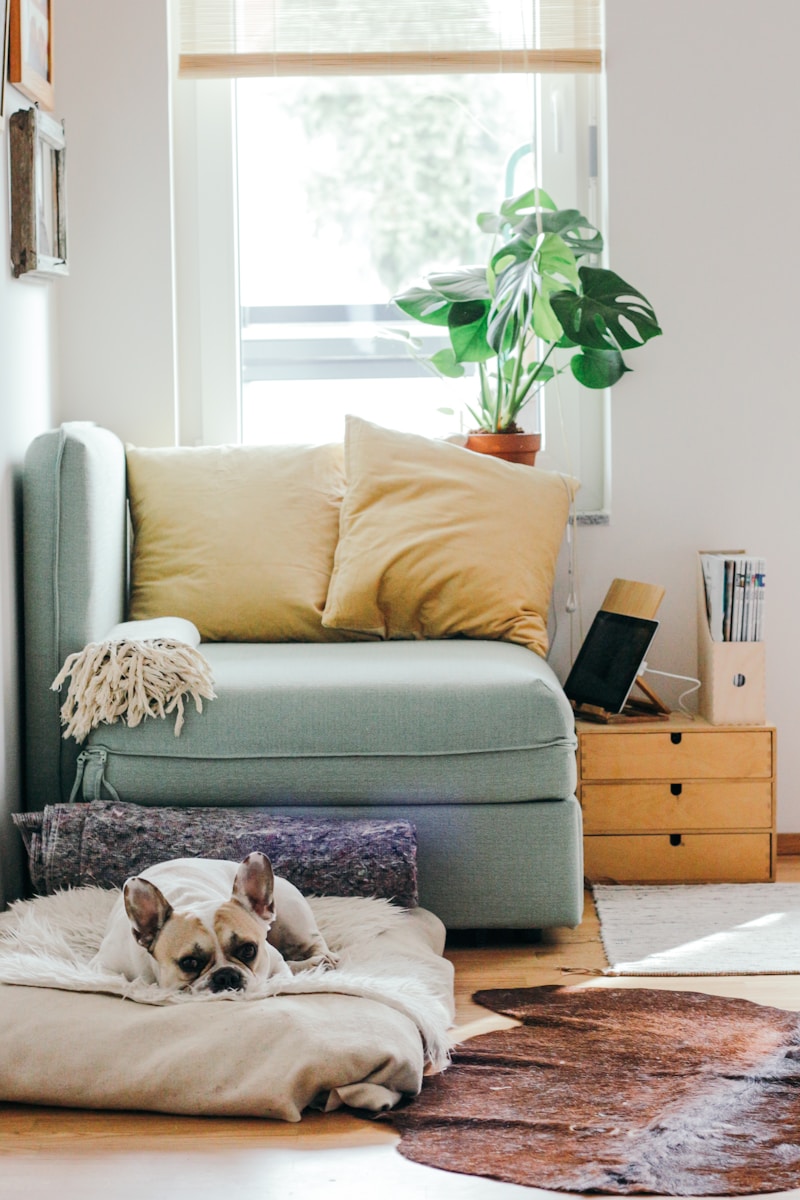

Walk into any room and pause for a moment before flipping the switch. Notice how different it feels in the dim natural light versus the instant brightness that follows. That shift — that almost imperceptible change in emotion — is the invisible art of lighting.
Lighting isn’t just about visibility. It’s about atmosphere, personality, and emotion. The way a home is lit determines how we feel, how we gather, and even how we rest. It can make a small space feel expansive, turn a cold modern interior into something warm and intimate, or highlight the beauty of a cherished object. In short, lighting doesn’t simply illuminate your home — it transforms it.
The Emotional Language of Light
Light has an uncanny ability to shape our emotions. Think of the difference between a candlelit dinner and one under the harsh glare of a fluorescent bulb. One invites softness, conversation, and connection; the other feels sterile and hurried.
Psychologists often link lighting to our biological rhythms — our circadian cycles — which respond instinctively to brightness and color temperature. Morning light, cool and clear, signals our bodies to wake up, energize, and focus. As daylight fades, warmer tones mimic sunset and naturally guide us toward rest.
That’s why homes with layered, adjustable lighting tend to feel more harmonious. A living room that glows warmly in the evening feels comforting, while the same space under bright, crisp light during the day feels lively and open. The goal isn’t to make light the same everywhere — it’s to make it feel right everywhere.
- The Living Room: Setting the Stage for Connection
The living room is the heart of the home — where we unwind, entertain, and connect. Lighting here should be both functional and emotive. Overhead lighting, often the default, can easily make a room feel flat or impersonal. Instead, think in layers: ambient, task, and accent lighting.
Start with a warm ambient base, like a soft ceiling fixture or strategically placed recessed lights. Then add table and floor lamps with fabric shades that diffuse light gently. The idea is to create pools of illumination rather than flooding the entire room.
For evenings, dimmable lamps or smart bulbs are invaluable. They allow you to shift from bright and social to cozy and calm with a touch or voice command. A softly glowing lamp in a corner, paired with candles or a low-lit sconce, can make even a large living room feel intimate.
The magic lies in contrast. Shadow and light dancing together give depth to a space — a kind of visual storytelling that makes your living room feel alive.
- The Kitchen: Where Function Meets Warmth
The kitchen is often the most active room in the house — part workshop, part gathering space. It requires a delicate balance between clarity and comfort.
Bright, focused lighting is essential for cooking and cleaning, but too much sterile white light can make the space feel clinical. The solution? Mix task lighting with softer ambient tones. Under-cabinet LED strips illuminate countertops without harsh shadows. Pendant lights above the island not only add task lighting but also serve as beautiful focal points, defining the kitchen’s personality.
Choosing the right color temperature matters, too. Neutral or slightly warm bulbs (around 2700–3000K) keep things bright enough for precision but still welcoming. You can even experiment with dimmers or adjustable white lighting for mood shifts — bright for meal prep, softer for late-night tea.
In modern kitchens where people gather as much as they cook, lighting should encourage conversation as much as clarity.
- The Bedroom: The Sanctuary of Soft Light
Few rooms rely on emotional lighting as much as the bedroom. It’s where the day ends and begins, and the right lighting can make those transitions seamless.
Harsh overhead light should be avoided — it wakes the brain and breaks the calm. Instead, opt for warm, layered lighting: bedside lamps, wall sconces, or soft LED strips under shelves or behind the headboard. These create a cocoon of gentle illumination that encourages relaxation.
For reading, adjustable task lights can add focus without overwhelming the entire room. Smart bulbs that gradually dim at bedtime or mimic sunrise in the morning can also improve sleep quality and mood.
A bedroom’s lighting should whisper, not shout. It’s less about seeing everything clearly and more about feeling safe, calm, and comfortable.
- The Bathroom: Balancing Utility and Serenity
Lighting in the bathroom walks a fine line between practical and soothing. Too dim, and it becomes difficult for grooming; too bright, and it feels more like a hospital corridor than a spa.
Layered lighting works wonders here, too. Start with a diffuse overhead light for general illumination. Then, add sconces or vertical fixtures beside mirrors — never above them — to eliminate shadows on the face. This provides even, flattering light for daily routines.
For ambiance, consider hidden LED strips around the vanity or beneath the sink. A soft glow can instantly transform the bathroom from a purely functional space into a private retreat.
Imagine a warm, dim light during an evening bath — it instantly shifts your mindset from routine to relaxation. That’s the subtle power of thoughtful lighting.
- The Home Office: Lighting for Focus and Flow
With remote work now a fixture in modern life, home office lighting has taken on new importance. The goal here is to energize and sustain focus without creating fatigue.
Natural light is ideal, so position desks near windows whenever possible. But since daylight changes, layered artificial lighting ensures consistency. A combination of overhead ambient light and a bright, adjustable desk lamp provides flexibility.
Cooler tones (around 4000K) mimic daylight and help maintain alertness, while warmer light can be switched on later to ease into evening. Avoid harsh contrasts between the screen and surroundings — they cause eye strain and reduce productivity.
The best workspaces are those where lighting feels invisible — supporting rather than distracting, energizing without overwhelming.
The Art of Layering Light
No matter the room, the most effective lighting designs use layers. Think of it like composing a piece of music: ambient lighting sets the base rhythm, task lighting adds melody, and accent lighting provides harmony and texture.
Accent lights — like wall sconces, track lights, or even candles — add dimension by highlighting architectural features, art, or plants. They create focal points that draw the eye and add richness to your home’s atmosphere.
The interplay between brightness and shadow gives personality to every corner. A well-lit home is not the brightest one — it’s the one where light feels alive.
Color, Temperature, and Emotion
Beyond brightness, light’s color temperature drastically affects mood. Warm light (yellow to amber hues) evokes comfort, romance, and intimacy. Cooler light (white to blue tones) signals clarity, cleanliness, and focus.
That’s why dining rooms often benefit from warm light — it encourages lingering over meals — while workspaces thrive under cooler illumination. Even subtle adjustments can shift perception. A single switch from warm to cool can turn a living room from a cozy evening retreat into a morning workspace.
Smart lighting systems make this dance effortless. You can now schedule your lights to shift automatically with the time of day, supporting your natural rhythm and emotions.
The Power of Shadows and Silence
We often forget that darkness has value, too. Light without shadow is flat — it lacks drama, mystery, and comfort. Shadows define space, allowing your eyes to rest and your mind to breathe.
Leaving a corner unlit or allowing a lamp’s light to fade softly at the edges creates visual balance. This play of light and shadow is what makes a home feel soulful rather than sterile.
Just as music depends on pauses between notes, great lighting depends on moments of stillness — places where darkness is allowed to exist.