
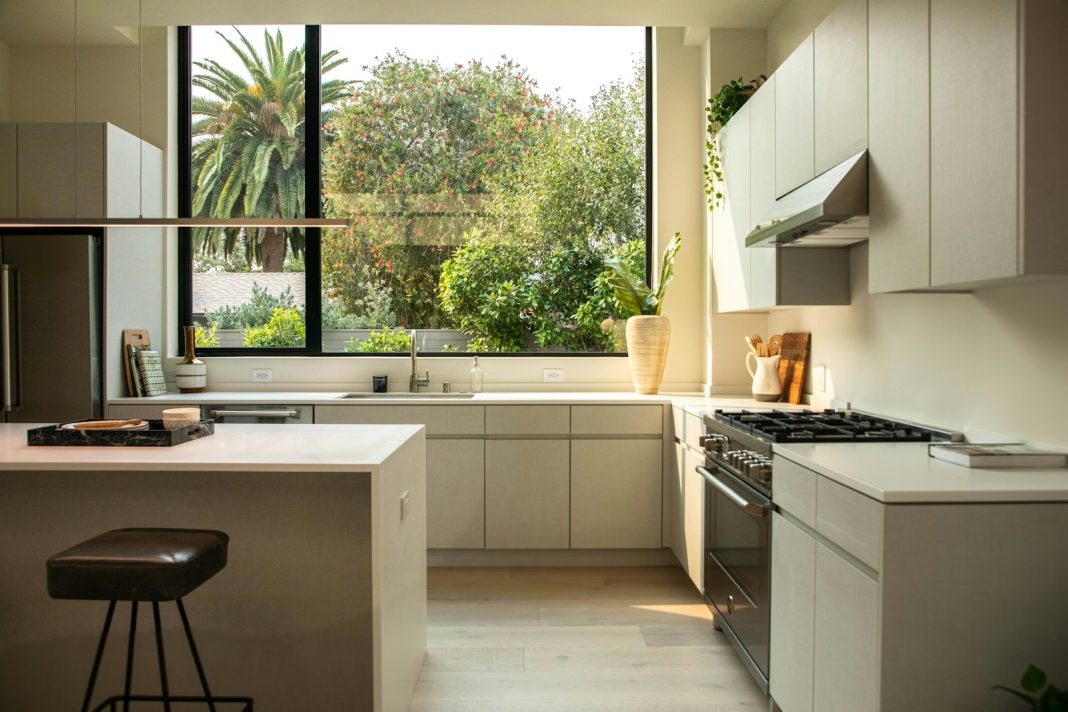

The kitchen has always been more than just a place to prepare meals. It’s where conversations flow over morning coffee, where children do their homework while dinner simmers, and where guests inevitably gather during every celebration. At the center of it all sits one of the most influential design elements in any home: the countertop. Often taken for granted, the countertop shapes not only how a kitchen looks but how it feels and functions. Choosing the right one is not simply a matter of color or cost—it’s about finding a balance between beauty, practicality, and lifestyle.
Understanding the Role of Countertops
Before diving into materials and finishes, it’s essential to recognize what countertops represent in a kitchen. They are work surfaces, design statements, and long-term investments all in one. The countertop is where the chaos of cooking meets the calm of design—it must endure knife nicks, hot pans, and spills, all while maintaining its aesthetic appeal.
This dual role makes the selection process both exciting and intimidating. Homeowners often find themselves torn between the timeless elegance of natural stone, the sleek modernity of engineered materials, and the warmth of traditional wood. Yet, the best choice depends less on trends and more on how the kitchen is truly used.
Stone Countertops: Nature’s Masterpieces
For many homeowners, natural stone remains the ultimate expression of luxury and durability. Granite, marble, and soapstone each bring their own character and story to the space.
Granite, once considered the pinnacle of high-end kitchens, continues to hold its ground thanks to its durability and individuality. Every slab of granite is unique—no two patterns are identical—which means the countertop becomes a one-of-a-kind feature. It resists heat and scratches well, though periodic sealing is necessary to prevent staining.
Marble, on the other hand, evokes timeless elegance. It’s the material of European bakeries and grand old homes. Its cool surface is ideal for pastry work, but its porous nature means it can etch or stain easily. For homeowners who appreciate the beauty of natural patina—the marks and imperfections that come with age—marble tells a story that grows richer over time.
Soapstone, softer and more tactile, offers a rustic charm. It develops a deep, matte luster as it ages and doesn’t require sealing, though regular oiling enhances its tone. Its resistance to acids and high heat makes it practical despite its understated appearance.
Stone countertops bring nature indoors, grounding the kitchen in something authentic and enduring. They suit those who value texture, individuality, and permanence.
Quartz: The Modern Marvel
Engineered quartz has transformed the countertop market in the past two decades, and for good reason. Made from crushed natural quartz bound with resin, it combines the best of both worlds—natural beauty and engineered resilience.
Unlike natural stone, quartz countertops are nonporous, meaning they don’t require sealing and are highly resistant to stains, bacteria, and moisture. They come in an astonishing variety of colors and patterns, including designs that mimic marble or concrete.
For busy households, quartz offers an appealing mix of practicality and polish. It provides consistency in appearance—a perfect choice for those who prefer clean lines and a modern aesthetic. While it’s not as heat-resistant as granite, it’s far easier to maintain day to day.
Quartz’s rise mirrors a broader cultural trend toward efficiency without compromise. It represents how technology has elevated design, offering surfaces that are both stunning and sensible.
Quartzite: The Best of Both Worlds
Often confused with quartz, quartzite is actually a natural stone formed from sandstone. It combines the veining and beauty of marble with the toughness of granite. It’s denser, harder, and more resistant to etching than marble, making it a top contender for those seeking elegance without fragility.
Quartzite’s natural translucency allows light to interact with its surface in subtle ways—especially under pendant lighting—creating depth and sophistication. For homeowners who want a surface that feels luxurious yet low-maintenance, quartzite might be the sweet spot.
Solid Surface: Seamless and Subtle
For those who prefer a clean, uninterrupted look, solid surface countertops—like Corian—offer smooth, seamless finishes that can be molded into sinks or backsplashes. They’re nonporous, easy to clean, and available in a wide palette of colors.
While solid surfaces can scratch more easily than stone or quartz, minor damage can usually be sanded out. Their uniform appearance makes them especially appealing for minimalist or contemporary kitchens, where the emphasis is on sleek lines and subtle beauty.
In spaces that prioritize flow and function, solid surface countertops create continuity—everything feels integrated, intentional, and calm.
Wood and Butcher Block: Warmth and Character
Where stone feels cool and timeless, wood countertops bring warmth and approachability. They soften modern kitchens and make large spaces feel inviting. Maple, oak, walnut, and cherry are popular choices, each with its own grain and tone.
Butcher block, in particular, has seen a resurgence as homeowners seek organic, tactile materials that age gracefully. It can serve as a full countertop or as an accent—perhaps on an island—to add texture and visual contrast.
The key to longevity with wood is maintenance. Regular oiling keeps it from drying and cracking, while prompt cleaning prevents staining. Though it requires more care than quartz or granite, many find the ritual itself rewarding. A well-loved butcher block develops character with every knife mark and spill—it tells the story of a kitchen that’s truly lived in.
Concrete, Stainless Steel, and Beyond: The Bold Choices
For those unafraid to step outside the traditional palette, concrete and stainless steel offer bold, modern alternatives.
Concrete countertops are entirely customizable—they can be tinted, textured, and shaped to suit any design vision. Over time, they develop fine hairline cracks and color variations that add authenticity. Proper sealing prevents stains and water damage, but their raw, industrial aesthetic is part of their charm.
Stainless steel, long favored in professional kitchens, has moved into residential spaces for its sleek, utilitarian appeal. It’s nonporous, heat-resistant, and nearly indestructible. Its reflective surface can make small kitchens appear larger and brighter.
Both materials speak to a design philosophy that values craftsmanship, individuality, and a touch of rebellion against convention.
Matching Countertops to Lifestyle
The perfect countertop is as personal as the person using it. A household that cooks daily needs a surface that can take a beating without constant worry—perhaps quartz or granite. A design-focused homeowner might prioritize aesthetics and uniqueness, gravitating toward marble or concrete.
For families, practicality and maintenance often outweigh perfection. For entertainers, durability and style go hand in hand. The best approach is to consider how the kitchen functions from morning to night—how often it’s used, how much time one can devote to upkeep, and what emotional tone it should set.
A kitchen designed for laughter, mess, and shared meals needs surfaces that invite rather than intimidate. The goal is not to find the most luxurious material, but the one that fits your rhythm of living.
Cost, Sustainability, and Longevity
Budget is, of course, an unavoidable factor. Materials vary dramatically in price—laminate remains one of the most affordable, while natural stones and quartzite occupy the high end. Yet, a higher upfront cost can pay off in longevity and resale value.
Sustainability is another growing consideration. Recycled glass, reclaimed wood, and eco-friendly quartz options allow homeowners to make choices that align with their values. Selecting local materials or suppliers can also reduce the environmental footprint while supporting nearby craftspeople.
Ultimately, durability and sustainability are intertwined. A surface that lasts decades—without needing replacement—is one of the most responsible choices of all.