
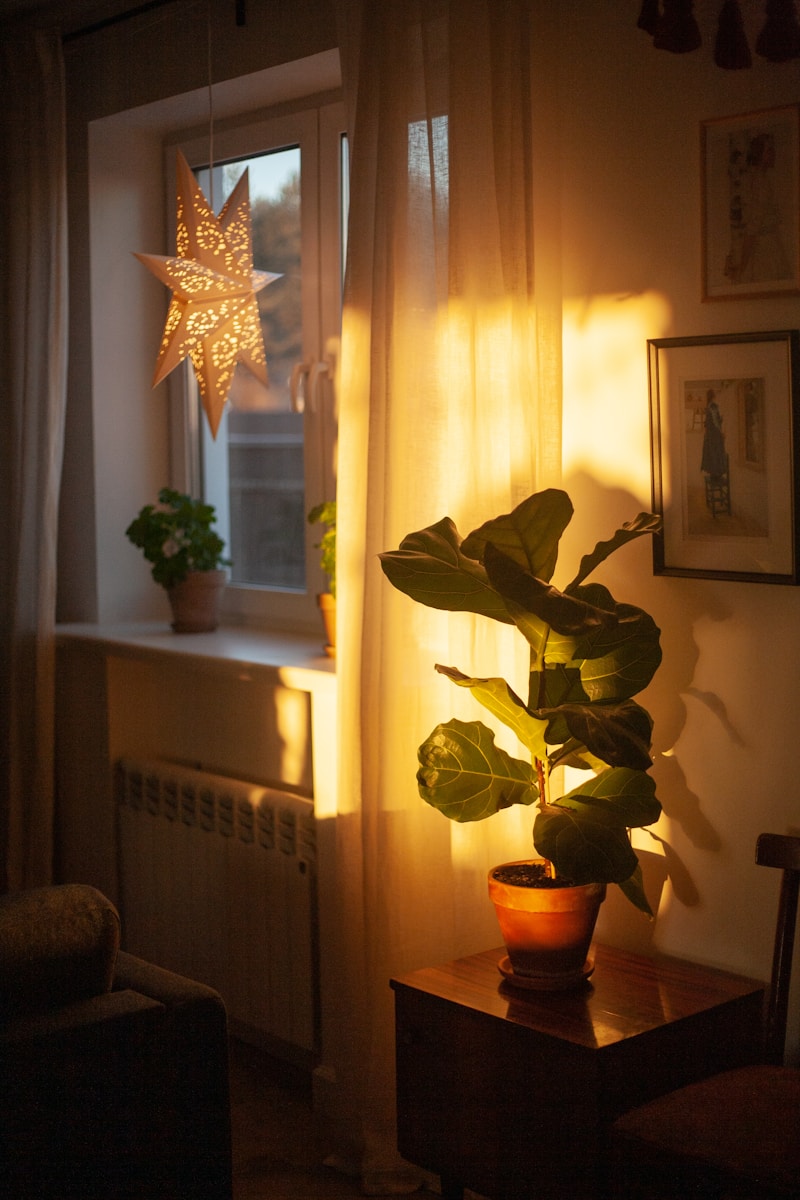

Lighting is far more than a functional necessity; it’s the soul of interior design. The way a space is illuminated determines how it feels, how it’s used, and how it’s remembered. In recent years, homeowners and designers alike have embraced lighting as a form of artistic expression — not merely a tool to brighten rooms but a statement of identity, creativity, and atmosphere. Statement lighting fixtures have become the jewelry of the modern home, transforming ordinary spaces into memorable experiences.
These striking elements — whether a sculptural chandelier, a bold pendant, or a minimalist floor lamp — can command attention in ways no other design detail can. But creating a show-stopping lighting moment requires more than selecting something trendy. The real magic lies in the way light interacts with architecture, color, texture, and personality. The secret to success is balance: blending form and function, artistry and purpose, to create light that not only steals the show but tells a story.
- Light as a Design Language
Every home has a visual rhythm — a dialogue between objects, colors, and shapes. Lighting is the punctuation in that dialogue, defining tone and emotion. A statement fixture doesn’t just illuminate a room; it introduces a focal point that draws the eye, sets the mood, and defines space.
Think of lighting as a storyteller. A cluster of glass pendants can whisper softness and elegance; an industrial steel chandelier can declare strength and modernity; a sculptural lamp made of organic materials can echo the calm of nature. The right piece acts as both art and architecture, bridging functionality with feeling.
Designers often say that good lighting is invisible — but great lighting commands attention. Statement fixtures bring personality to spaces where minimalism once reigned supreme, turning ceilings into canvases and corners into conversation starters.
- The Rise of the Statement Fixture
Historically, lighting played a background role in design. The chandelier was reserved for formal dining rooms or grand foyers, while the rest of the home relied on practical fixtures that faded into their surroundings. Today, that hierarchy has been flipped. Statement lighting is no longer confined to luxury interiors; it’s celebrated in modest apartments, open-plan lofts, and suburban homes alike.
Part of this shift stems from the growing emphasis on individuality in design. In an era where furniture and decor are mass-produced, lighting offers an opportunity for personal expression. A distinctive fixture becomes a form of self-portraiture — an embodiment of the homeowner’s taste, imagination, and values.
Advancements in technology have also expanded creative possibilities. LED lighting, with its flexibility in form and efficiency, allows designers to play with shape, shadow, and intensity in unprecedented ways. What once required bulky bulbs and cumbersome wiring can now take the shape of delicate rings, flowing ribbons, or illuminated sculptures.
The result is a design renaissance where lighting has evolved into a statement of art, engineering, and emotion all at once.
- The Power of Placement
A common misconception about statement lighting is that bigger automatically means better. In truth, placement often determines whether a fixture truly steals the show or overwhelms the space.
A chandelier hanging too low can feel intrusive; a pendant hung too high can lose its impact. The goal is harmony — a relationship between the light source, the surrounding furniture, and the room’s proportions.
In living rooms, a dramatic ceiling fixture should align with the central gathering point, such as a coffee table or seating area. In dining rooms, a bold pendant should hover just low enough to illuminate faces and food without blocking sightlines. Bedrooms benefit from softer statement lighting, often achieved through side lamps or suspended bulbs that frame the bed like punctuation marks of intimacy.
When thoughtfully positioned, lighting becomes architecture — shaping how a room is experienced rather than simply decorating it.
- Material, Form, and Shadow
The beauty of a statement fixture lies not only in its design but in the way it plays with light itself. Materials determine mood. Glass diffuses light delicately, creating softness. Metal reflects and dramatizes, lending intensity. Fabric shades filter warmth, inviting calm.
Textures matter too. A rattan pendant casts intricate shadows that dance across walls, while a geometric brass fixture throws clean, graphic shapes that emphasize modernity. The play of light and shadow transforms an object into an experience, infusing the room with motion and personality even when the fixture itself stands still.
Designers often experiment with contrast — pairing sleek materials with natural textures, or cool metals with warm bulbs — to create visual interest that feels both deliberate and effortless. This interplay of light and material allows a fixture to transcend function and become a work of art.
- Balancing Drama and Comfort
Every statement needs a counterpoint. A fixture that dazzles but blinds fails in its purpose. A lamp that looks spectacular in photos but casts poor light will quickly frustrate in daily life. The secret lies in blending drama with usability.
Statement lighting should complement natural and ambient light rather than compete with it. Dimmers are indispensable for adjusting intensity, allowing a chandelier that commands attention by day to glow gently by night.
Equally important is proportion. In smaller rooms, a single oversized fixture can dominate — but when balanced with open space, it creates a sense of scale and sophistication. In larger spaces, repetition often works better: a series of smaller pendants can guide the eye naturally and create rhythm without heaviness.
In the end, the goal is atmosphere — a feeling that supports how you live, not just how your home looks.
- Lighting as a Reflection of Personality
The most captivating lighting choices are those that reflect individuality. Some people gravitate toward clean-lined modernism — slim LED strips and minimalist orbs that speak of clarity and control. Others prefer vintage-inspired pieces that tell stories of nostalgia and romance.
There’s a growing appreciation for handmade and artisanal lighting — fixtures that carry the marks of craftsmanship, slight imperfections that make them unique. These pieces often serve as conversation starters, reminding us that beauty can emerge from the human touch.
Whether your style leans contemporary, rustic, bohemian, or eclectic, lighting offers a medium through which your personality can shine — literally. Choosing a statement fixture is not about impressing others but about surrounding yourself with light that feels like you.
- The Emotional Dimension of Light
Beyond aesthetics, light profoundly affects emotion. Warm lighting fosters intimacy and relaxation; cooler tones enhance focus and clarity. The color temperature of bulbs, the direction of illumination, and even the shadows cast all shape how we feel in a space.
Statement lighting, when done right, amplifies emotion rather than distracts from it. A cascading glass chandelier can make an entryway feel ceremonial and inviting. A sculptural floor lamp can turn a reading corner into a sanctuary. A playful pendant over a kitchen island can spark creativity and conversation.
In this way, lighting design transcends decoration — it becomes emotional choreography, orchestrating how we experience our homes moment by moment.
- Sustainability and the Future of Statement Lighting
As awareness of environmental impact grows, statement lighting has entered a new era of sustainability. Designers are reimagining materials — recycled glass, bamboo, reclaimed wood, and even bioplastics — to create beauty that honors the planet. LED technology not only reduces energy consumption but opens the door to innovative forms and longer lifespans.
The future of statement lighting lies in the balance between creativity and conscience. It’s about illuminating spaces beautifully without dimming the world outside them.
Sustainability has also influenced aesthetics. Raw, organic materials lend authenticity to design, proving that eco-conscious choices can be just as striking as the most opulent crystal chandelier.
- Crafting Light That Speaks
Ultimately, the most unforgettable lighting fixtures are those that express a point of view. They don’t simply decorate; they communicate. They are the quiet narrators of a home’s identity — guiding movement, revealing detail, setting mood.
To design with light is to sculpt with emotion. It’s the act of shaping not just what we see, but how we feel when we see it. A truly remarkable fixture doesn’t just steal the show — it becomes the show’s heartbeat.