
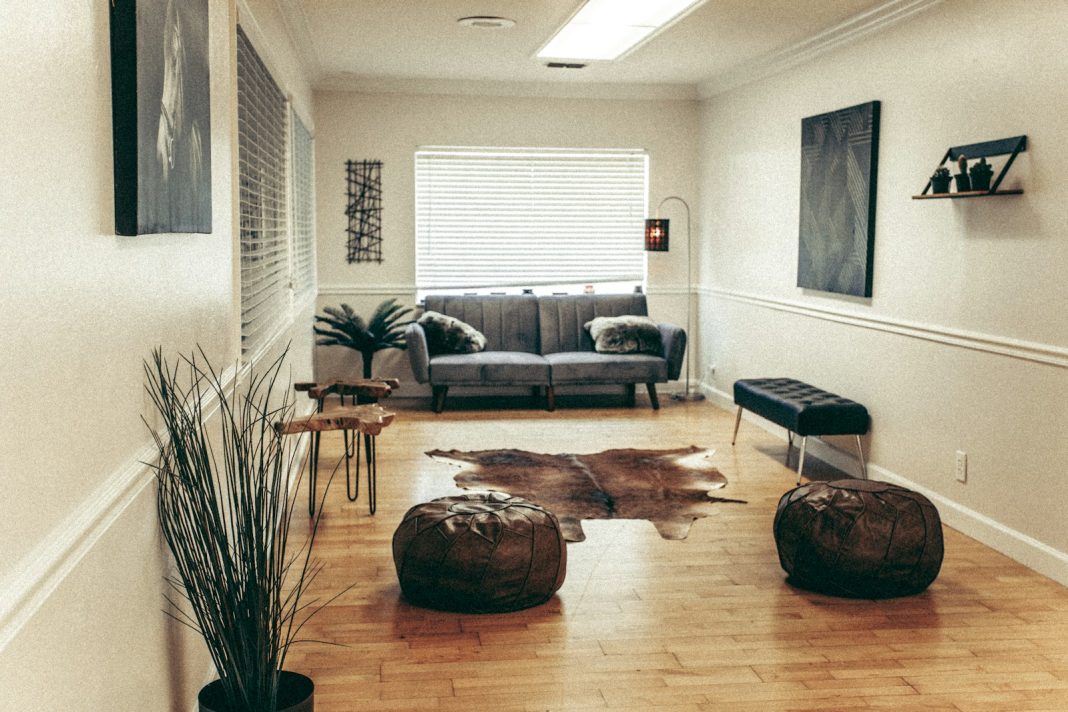

Small spaces have a certain charm about them. They’re cozy, efficient, and intimate—yet they also present one of design’s greatest challenges. Making a small space feel bigger, brighter, and more functional is both an art and a science. But when done well, a compact home can feel just as luxurious and inviting as a sprawling one.
Designing for small spaces isn’t about limitation—it’s about intention. Every inch counts, every color choice matters, and every piece of furniture tells a story. With the right tricks and an understanding of how light, layout, and texture interact, a small space can leave a surprisingly big impression.
- Rethinking Scale and Proportion
One of the biggest misconceptions about decorating small rooms is that everything must be miniature. In reality, small furniture can make a space feel even smaller because it fragments the visual field. The trick is to strike balance with proportion.
A single, bold sofa or statement chair can anchor a room far better than multiple undersized pieces. Similarly, a larger rug under a seating area can make the room feel expansive because it unifies the furniture rather than breaking it into disconnected parts.
Proportion is also about breathing room. Allowing a few inches between the wall and the back of a sofa, or leaving space beneath furniture on visible legs, creates a sense of openness. It tricks the eye into perceiving depth and movement.
- Letting Light Do the Heavy Lifting
Light—both natural and artificial—is a small space’s best friend. When light flows freely, rooms feel larger, airier, and more inviting.
Start with the windows. Avoid heavy drapes that block daylight. Instead, use sheer curtains or blinds that can be fully drawn back. Placing mirrors opposite windows amplifies natural light, bouncing it across the room and visually doubling the sense of space.
Artificial lighting should be layered rather than centralized. A single overhead bulb tends to cast shadows that shrink a room. Instead, mix floor lamps, sconces, and table lamps at different heights. This not only enhances function but also builds dimension—turning corners into cozy reading spots or illuminating walls to push them outward visually.
- The Power of Vertical Design
When you can’t expand outward, expand upward. Vertical space is often underutilized, yet it holds enormous design potential.
Tall bookcases, floor-to-ceiling curtains, or vertically stacked storage instantly draw the eye upward, making ceilings appear higher. Floating shelves above doorways or narrow ledges along windows can store books or décor without crowding the floor.
Even artwork benefits from vertical thinking. Hanging a gallery wall that stretches from eye level to near the ceiling emphasizes height. In kitchens or bathrooms, mounting hooks, rods, or pegboards vertically keeps everyday essentials accessible but off the counters—freeing up precious work surfaces.
- Multi-Functional Furniture: The Hero of Small Spaces
In compact homes, every piece of furniture should earn its keep. Multi-functional designs—like ottomans that double as storage, sofa beds, or drop-leaf tables—allow you to change the room’s purpose as needed.
A daybed in a studio apartment, for example, can serve as both seating and sleeping space. Nesting tables can expand for guests or tuck away when not in use. Even small design tweaks—like using a bench with hidden compartments or wall-mounted fold-down desks—maximize utility without sacrificing style.
These pieces help declutter the visual landscape, ensuring that every object has meaning and function. Minimalism, in this sense, isn’t about owning less—it’s about choosing smarter.
- The Illusion of Space Through Color and Texture
Color plays a quiet but powerful role in how we perceive space. Lighter shades—especially soft whites, grays, and pastels—reflect light, making walls recede and ceilings seem higher. But that doesn’t mean small spaces must be devoid of boldness.
Strategically applied dark tones can add depth and intimacy. A navy blue accent wall, for instance, can make a room feel grounded and sophisticated. The secret is contrast: light floors, medium-toned furniture, and a dark accent create layers that the eye reads as dimensional.
Texture also matters. Mixing smooth and rough surfaces—like pairing linen with metal, or matte paint with glass—adds tactile richness. When the eye senses variety, the mind perceives more space than actually exists.
- Decluttering as Design Philosophy
There’s no escaping it: clutter is the enemy of small spaces. It’s not merely a matter of tidiness; visual chaos compresses a room. The more the eye has to process, the smaller the space feels.
The solution lies in curating rather than minimizing. Keep only what adds beauty or function. Use concealed storage—like under-bed drawers or furniture with hidden compartments—to maintain a clean aesthetic.
Open shelving can work, but it demands discipline. Display fewer items and leave negative space between them. The emptiness isn’t wasted—it gives the objects you love more presence.
In small homes, organization isn’t just practical—it’s an art form that reveals calm and intentionality.
- Mirroring and Reflection: Expanding Perception
Mirrors are a timeless designer’s secret weapon. They multiply light, reflect scenery, and visually extend walls. But placement is everything.
A large mirror opposite a window pulls the outdoors inside, adding depth and brightness. In narrow hallways, mirrored panels can double the sense of width. Even mirrored furniture—like a sideboard or nightstand—adds a glimmer of spaciousness without overwhelming the eye.
However, subtlety is key. Too many mirrors can feel sterile or disorienting. One or two well-placed reflective surfaces usually strike the perfect balance between elegance and illusion.
- Creating Flow and Purpose
Flow—the natural way people move through a space—is what transforms a cramped room into a comfortable one. Every layout decision should support easy movement and purposeful use.
Avoid blocking pathways with furniture, and keep high-traffic zones open. Circular or U-shaped arrangements encourage connection and movement, especially in living areas.
In studios or open-concept apartments, defining zones helps create psychological spaciousness. A rug can mark the living area, while a pendant light distinguishes the dining space. These cues subtly guide behavior, making one room feel like many.
- Art, Personality, and Emotional Space
It’s easy to assume small spaces must be stripped down and utilitarian—but personality is what makes them come alive. A few meaningful art pieces, plants, or travel mementos can transform even the tiniest studio into a deeply personal sanctuary.
The trick is editing. Instead of scattering decorations everywhere, cluster them thoughtfully. A single bold painting or a few well-chosen vases can anchor the room without overwhelming it.
Plants, in particular, breathe life into tight spaces. Hanging planters or wall-mounted pots keep greenery at eye level without sacrificing floor space. A touch of nature softens the geometry of small rooms and restores balance.
- The Psychology of Spaciousness
Design isn’t just about what you see—it’s about how you feel. Certain elements subconsciously expand a room by changing your perception.
Symmetry, for example, creates calm and balance, making tight rooms feel organized rather than chaotic. Repetition of colors or materials throughout a small home ties spaces together, creating a seamless flow.
Even scent and sound can affect how large a room feels. Soft music, gentle lighting, and subtle fragrances all encourage relaxation—and when the body relaxes, space feels more generous.
- Designing for Real Life
A small home should be designed for living, not for show. That means creating flexible spaces that evolve with daily life.
A corner that functions as a breakfast nook by day might become a reading corner at night. A compact entryway can hold storage, a mirror, and a spot to drop keys—all within a few square feet.
It’s about designing not for an idealized version of living, but for the rhythms of real life. When a space supports you—efficiently, beautifully, and comfortably—it feels bigger than its dimensions.