
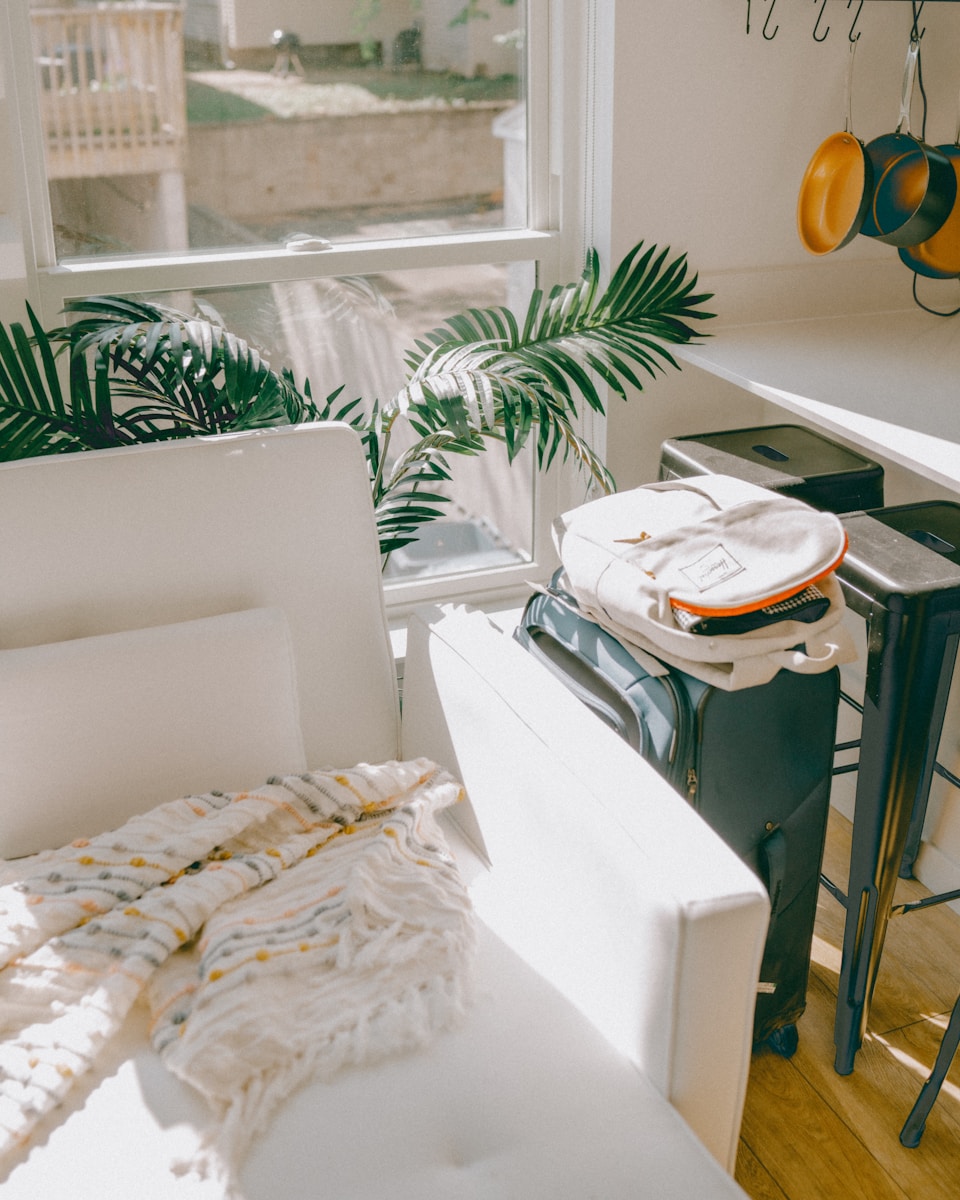

Living in a small home has a certain poetry to it. Every corner counts, every shelf matters, and each item you choose to keep carries weight — both literal and emotional. Yet, in a world that constantly encourages accumulation, learning the art of decluttering becomes not just a design choice, but a way of life. In compact homes, space is a precious commodity, and how we curate it can shape our moods, routines, and sense of peace. Decluttering is far more than tossing things out; it’s an intentional practice of shaping your environment to reflect who you are and how you want to live.
- The Philosophy Behind Decluttering
Decluttering isn’t merely about minimalism or aesthetic simplicity — it’s about harmony. A small home thrives when each belonging serves a purpose or brings genuine joy. Too often, clutter builds quietly: a drawer of “miscellaneous things,” a shelf of books you’ll “read one day,” or a pile of clothes waiting for the right season. Before long, the weight of these objects begins to affect how a home feels — crowded spaces, cluttered thoughts.
In compact living, space and serenity are deeply intertwined. When there’s less room to hide the unnecessary, every item becomes a reflection of your priorities. The art of decluttering starts with asking a simple question: Does this item earn its place? Not in terms of cost or brand, but in its contribution to your daily rhythm and happiness. Once you begin viewing your possessions through that lens, you start to see your home differently — as a curated gallery of your real life rather than a storage unit for your past purchases.
- Letting Go with Purpose
One of the hardest parts of decluttering is letting go — not because of the physical act, but because of the emotional attachments we build around things. That old sweater you never wear but can’t throw away because of a memory. The stack of greeting cards that remind you of a life stage you’ve long since passed. Objects carry emotion, but holding onto too many of them can trap us in old versions of ourselves.
The key is to keep memories, not material excess. Taking photos of sentimental items before donating them, or repurposing fabric from an old garment into something useful, allows the story to continue in a more manageable form. Decluttering isn’t about erasing history — it’s about making room for new moments.
If you live in a compact home, each item you keep should serve either a practical function or an emotional one. You can honor a memory without keeping every physical reminder of it. The art lies in balance — holding onto enough to feel grounded, but not so much that it limits your ability to live freely in the present.
- Space as a Reflection of Mind
A cluttered room often mirrors a cluttered mind. In small spaces, this connection feels even more immediate. A pile of laundry on a chair, a countertop full of gadgets, or a closet packed to bursting can create low-level stress that seeps into everyday life. In contrast, a well-edited room with open space and calm surfaces creates an atmosphere where creativity, rest, and focus can thrive.
Decluttering, therefore, becomes a kind of mindfulness practice. It encourages awareness — of what you own, what you need, and what truly adds value. Each time you sort through a drawer or organize a corner, you’re training your mind to distinguish between abundance and excess. Compact living amplifies this lesson: when your surroundings are clear, your thoughts follow suit.
- Rethinking “Storage” and the Myth of More
Modern life teaches us to solve clutter by adding storage: more bins, more boxes, more organizers. But in small homes, this can backfire. The goal shouldn’t be to hide clutter more efficiently — it should be to reduce it. Instead of asking where can I store this? ask do I really need to keep it?
When you do need storage, make it intentional and visible. Floating shelves, under-bed drawers, and multi-functional furniture can help maximize space without overwhelming it. But even these should have limits. A room full of storage containers still feels cramped if it’s packed to capacity. The beauty of a compact home lies in openness — that delicate balance between enough and just right.
One useful trick is to think vertically rather than horizontally. Tall shelving, wall hooks, and ceiling-mounted racks take advantage of unused height without encroaching on floor space. Clear containers and transparent drawers can also help keep items accessible and remind you not to accumulate more than you can see.
- Creating Flow Through Thoughtful Design
Decluttering is not only about removing items — it’s about enhancing flow. In compact homes, movement matters. A well-designed layout ensures you can navigate your space without feeling restricted. Think of your home like a small stream: when rocks (clutter) block the flow, the current slows down. Remove those obstacles, and suddenly everything moves with ease.
Furniture placement plays a huge role here. Choose pieces that fit your space’s scale and purpose. A petite two-seater sofa may suit a studio apartment better than an oversized sectional. Nesting tables or foldable dining sets can adapt to your needs without dominating the room. The goal is to make your home feel like it breathes — even if it’s only a few hundred square feet.
Color also influences perception. Light tones, natural materials, and consistent color palettes can make small spaces feel larger and calmer. Mirrors reflect light and create the illusion of depth, amplifying the sense of openness. The fewer visual interruptions, the more harmonious the space will feel.
- Establishing a Decluttering Routine
Clutter doesn’t accumulate overnight — and it doesn’t disappear overnight, either. The most successful decluttering efforts come from consistency. Set aside short, manageable intervals: fifteen minutes a day to tidy one drawer, one corner, one surface. Over time, these small actions transform the overall feel of your home.
A good rule of thumb is the “one in, one out” policy. Every time you bring something new into your space, remove something old. This prevents the slow creep of clutter and keeps your possessions balanced. Seasonal reviews also help — reassessing clothes, books, or kitchen tools every few months keeps your environment current and aligned with your real needs.
Decluttering isn’t a one-time purge; it’s a continuous conversation with your lifestyle. The more intentional you become, the easier it gets to recognize when your home feels just right.
- The Emotional Reward of Space
When people first declutter, they often expect the main benefit to be visual — cleaner surfaces, neater rooms. But what surprises many is the emotional lightness that follows. Letting go of unnecessary things often releases mental weight. The sense of freedom and clarity that emerges can ripple into other areas of life — finances, work habits, even relationships.
Compact homes amplify this feeling because change is more visible. When you clear one surface, the entire room feels lighter. When you open space in a closet, the air feels fresher. The reward isn’t just a tidy home — it’s peace, focus, and the quiet joy of living intentionally.
- Living with Less, Living with More Meaning
At its heart, decluttering in compact homes isn’t about deprivation; it’s about choosing depth over volume. Each item that remains carries more meaning precisely because it has earned its place. Your favorite mug, a single cozy throw, or a small bookshelf of cherished titles — these objects stand out when they aren’t drowned in excess.
Living with less often leads to discovering what truly matters. You begin to spend more time enjoying experiences rather than managing possessions. You notice the beauty of empty space, the ease of cleaning, and the satisfaction of knowing everything has a purpose. In small homes, simplicity becomes a form of luxury.