
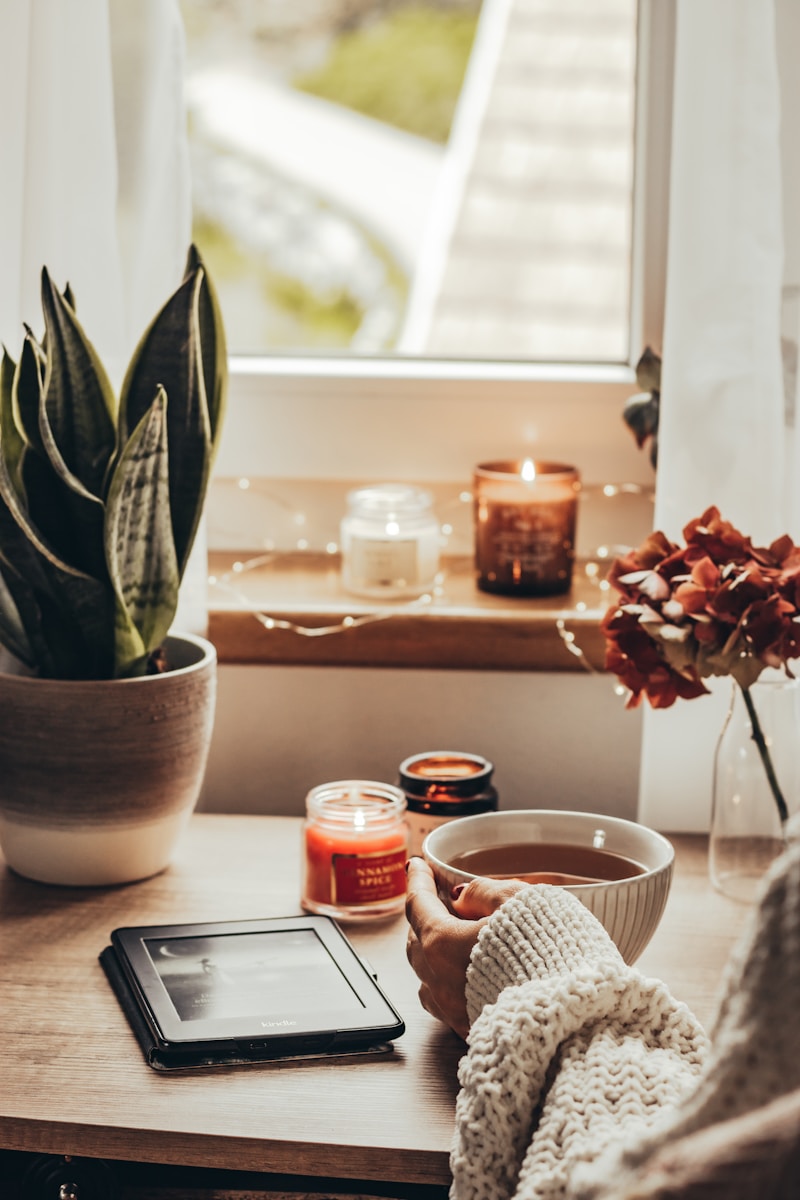

Every year, our homes evolve just as much as we do. They mirror our changing lifestyles, our shifting values, and even the global stories that shape our everyday lives. In 2025, interior design has taken on a deeper purpose — it’s less about following fleeting trends and more about creating spaces that nurture well-being, connection, and authenticity. Around the world, designers, makers, and homeowners are redefining what “home” means, blending sustainability with style and technology with comfort.
Here’s a closer look at 2025’s most inspiring global home trends — ideas that prove beauty and meaning can live side by side.
- Sustainable Design Grows Deeper Roots
Sustainability is no longer a buzzword — it’s a lifestyle cornerstone. In 2025, eco-conscious design has evolved from recycling and energy efficiency into something far more holistic. Homeowners are rethinking every decision, from construction materials to daily habits.
Natural and renewable materials like bamboo, cork, reclaimed wood, and recycled glass are finding new life in floors, walls, and furnishings. Paints are non-toxic, fabrics are organic, and even the smallest details — such as clay tableware or linen curtains — reflect care for the planet.
Globally, there’s a noticeable return to local sourcing. Whether it’s handwoven rugs from rural artisans in Morocco or clay tiles from small workshops in Spain, people are seeking materials that carry a human story. The result? Homes that are beautiful not because they’re perfect, but because they’re grounded in purpose and craftsmanship.
- The Rise of the “Wellness Home”
If 2020 taught us to stay home, 2025 is teaching us how to heal there. Wellness has become an architectural principle, shaping how spaces are designed, lit, and ventilated. Biophilic design — bringing nature indoors — continues to thrive, but it’s now paired with subtle innovations that boost mental and physical health.
Think circadian lighting systems that mimic natural daylight to regulate mood and energy, air-purifying indoor gardens, and quiet zones for meditation or rest. Even color psychology plays a role: soft greens, sandy neutrals, and warm whites are dominating walls and fabrics, creating calm, restorative environments.
This shift reflects a broader cultural moment — one where home is not just a place to live, but a space to breathe.
- Cultural Fusion and Global Artistry
In an increasingly connected world, design has become a form of storytelling. The most exciting homes of 2025 blend influences from around the globe, weaving together textures, patterns, and histories.
A Tokyo apartment might feature Scandinavian-inspired woodwork, while a Parisian loft may display bold African textiles beside minimalist furniture. What ties these spaces together is a sense of appreciation — not appropriation — for global artistry.
Handcrafted objects, vintage market finds, and traditional techniques are being rediscovered. People want pieces that carry the imprint of the maker’s hand, whether it’s a hand-carved side table from Bali or a ceramic vase fired in a small Italian workshop. The new global design language is eclectic yet thoughtful — personal, layered, and filled with meaning.
- Smart Living, Subtly Integrated
Technology continues to reshape how we live, but in 2025, it’s doing so more quietly. Gone are the days of showy gadgets; the future of smart homes is invisible sophistication.
From voice-controlled lighting that adjusts automatically to your mood, to hidden charging stations and energy-efficient systems that learn your habits — smart living is becoming intuitive rather than intrusive.
Minimalist aesthetics are paired with maximum functionality. Kitchens, for example, now include induction cooktops that blend seamlessly into countertops, while living rooms feature discreet speakers that disappear into the walls. The emphasis is on creating homes that feel effortlessly intelligent — places where technology enhances comfort rather than competes for attention.
- Earth Tones and Textural Layers Dominate
After years of cool grays and stark whites, color has returned — but gently. The 2025 palette is inspired by the earth: terracotta, ochre, clay, moss, sand, and soft sky blues. These hues create warmth and timelessness, bringing emotional comfort to modern interiors.
Texture is equally important. Rough plaster walls, handwoven textiles, stone surfaces, and matte finishes add visual depth and tactile interest. The appeal lies in imperfection — the irregular grain of wood, the uneven brushstroke of limewash, the natural patina that develops over time.
This shift reflects our longing for authenticity — spaces that feel human, touchable, and real.
- Flexible Spaces for a Fluid Lifestyle
The way we live and work continues to evolve, and our homes are adapting to match. In 2025, flexibility is everything. Rooms are no longer confined to a single function — they flow and transform with ease.
A dining area doubles as a remote work zone during the day; a reading nook becomes a guest corner when needed. Modular furniture, movable partitions, and convertible designs make this fluidity possible. Compact urban homes, especially in cities like Seoul and Copenhagen, are pioneering these adaptive solutions — proving that smart design can make even the smallest spaces feel expansive.
The focus is on freedom — creating homes that respond to your rhythm, not the other way around.
- Vintage Revival with a Modern Twist
As fast furniture loses its appeal, 2025 sees a revival of vintage aesthetics. People are scouring flea markets and estate sales, not only for nostalgia but for sustainability and soul. A 1970s leather armchair, a mid-century sideboard, or an antique mirror adds instant personality to an otherwise modern room.
But this isn’t about recreating the past. Designers are blending eras — pairing Art Deco curves with minimalist lighting or rustic antiques with sleek glass accents. This fusion creates visual tension and charm, telling a layered story about time, taste, and individuality.
In a world that often feels too digital, the patina of history offers something grounding — a quiet reminder of craftsmanship and continuity.
- The Outdoor-Indoor Blur
As climate awareness grows, so does our desire to reconnect with the natural world. The lines between indoors and outdoors are blurring beautifully in 2025.
Large folding glass doors, covered patios, and rooftop gardens extend living spaces into the open air. Outdoor kitchens, lounge areas, and even bathtubs are becoming more common — not just in tropical locales, but in urban environments as well.
Materials play a role here too: stone, rattan, and treated wood transition seamlessly between interior and exterior. The goal is harmony — living in rhythm with nature rather than apart from it.
- Emotional Minimalism
Minimalism has matured. It’s no longer about owning less for the sake of simplicity, but about keeping only what matters. This emotional minimalism embraces comfort, not austerity.
Spaces are still uncluttered, but they’re warm — defined by meaningful possessions and sensory details. A simple room might feature just a few cherished items: a well-loved book stack, a ceramic bowl from a family trip, a single flower in a vase.
This pared-back philosophy aligns with a growing desire for calm. In a fast, overstimulated world, less visual noise means more mental space to think, dream, and simply be.
- Local Stories, Global Voices
Finally, 2025’s most inspiring design movement may be the quietest: the celebration of locality. Across continents, designers are rediscovering regional materials, crafts, and traditions — and adapting them for modern life.
In Mexico, colorful Talavera tiles are being reimagined in subtle tones. In Japan, the philosophy of wabi-sabi continues to influence minimalist interiors worldwide. Scandinavian design’s love for light and simplicity is merging with Mediterranean warmth and texture. The result? A global conversation that honors diversity while finding shared values — authenticity, sustainability, and comfort.
Our homes have become a reflection of a collective journey: one that connects us through creativity and care.
A Home for the Future
The most inspiring global home trends of 2025 remind us that design isn’t about decoration — it’s about living well. It’s about crafting spaces that sustain us, emotionally and environmentally.
Whether you live in a bustling city apartment or a quiet countryside home, these ideas share a single thread: the pursuit of harmony. Harmony between technology and tradition, beauty and practicality, self and surroundings.
The future of home design is not just about how a space looks, but how it feels — warm, honest, and alive. After all, the most beautiful homes aren’t built to impress. They’re built to embrace.