
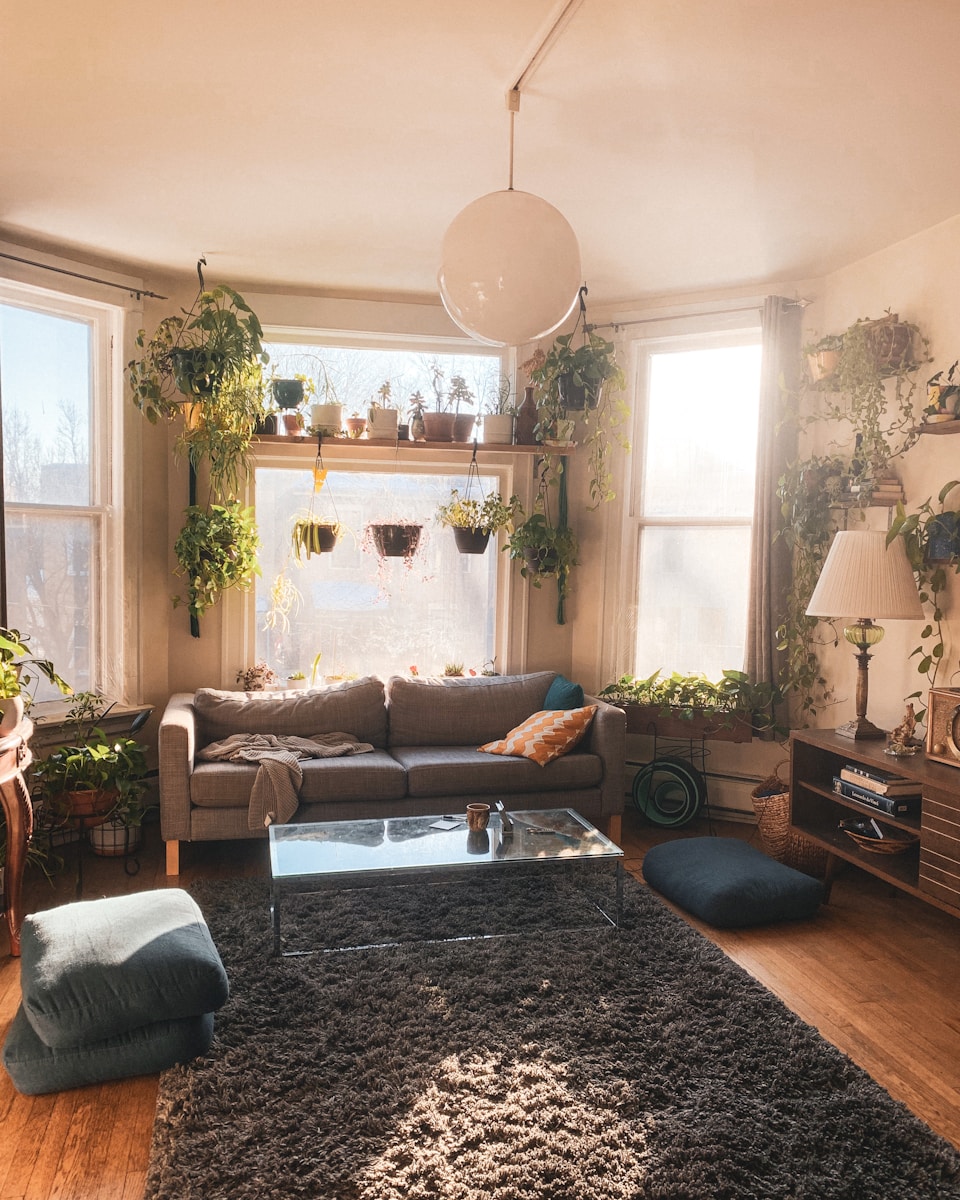

City life is a study in contrasts. It’s fast-paced yet confined, vibrant yet crowded, efficient yet impersonal. For many urban dwellers, their living spaces become sanctuaries — small, often compact worlds where style must coexist with function. In recent years, industrial design has emerged as one of the most powerful responses to this challenge. Once associated with factories, warehouses, and raw utility, it has evolved into a design philosophy that celebrates honesty, adaptability, and a rugged kind of beauty. Industrial design doesn’t hide its structure; it showcases it. And for people navigating the demands of urban living, that authenticity feels refreshingly human.
- The Roots of Industrial Aesthetics
Industrial design finds its origins in the early twentieth century, when cities were expanding rapidly and factories dominated the skyline. Those vast spaces, built for work rather than comfort, relied on exposed steel beams, brick walls, concrete floors, and large windows to let in light. Over time, as manufacturing declined and these buildings were converted into lofts and studios, designers began to appreciate the unintentional artistry of their construction.
The modern industrial style is an homage to this legacy — not an attempt to recreate the past, but to reinterpret its principles for contemporary living. It embraces materials that tell a story, celebrates imperfections, and favors simplicity over ornamentation. In cities where living space is a luxury, industrial design provides both character and clarity. It transforms constraint into creativity.
- The Beauty of Raw Materials
One of the hallmarks of industrial design is its affection for raw, unfinished materials. Brick, steel, wood, and concrete take center stage, often left exposed rather than concealed. This approach does more than add visual texture — it creates emotional texture. A brick wall carries history; a wooden beam bears the marks of time; a steel frame gleams with purpose.
In a city apartment, these elements help balance the artificiality of the urban environment outside. Concrete floors or metal shelving can feel cool and utilitarian, but when paired with warm lighting or soft fabrics, they achieve an appealing equilibrium. The goal is not austerity, but honesty — a kind of design truth that says, “this is what I’m made of.”
Moreover, using reclaimed materials connects sustainability with style. A dining table crafted from salvaged wood, or pendant lights made from repurposed piping, doesn’t just look beautiful — it tells a story of renewal, aligning industrial aesthetics with eco-conscious urban values.
- Open Space and Functionality
Urban living often means making the most of limited square footage. Industrial design, with its roots in large, open spaces, adapts surprisingly well to small apartments. The key lies in creating openness through clever zoning rather than rigid partitioning.
Exposed structural elements like beams or columns can act as natural dividers without breaking the visual flow. Open shelving replaces bulky cabinets, and furniture pieces often serve multiple purposes — a steel-framed table doubles as a workspace; a modular sofa converts into a guest bed.
The industrial approach values efficiency without compromising style. Every item earns its place, every design choice serves a function. This utilitarian mindset mirrors city life itself — where efficiency is not just preferred but necessary.
- Lighting: The Soul of Industrial Design
Lighting is to industrial design what rhythm is to music — it defines the mood. In old factories, large windows and metal fixtures were essential for function; today, they inspire some of the most iconic design choices in urban homes.
Edison bulbs, suspended from black cords or encased in wire cages, add a nostalgic warmth. Oversized pendant lamps, reminiscent of factory lights, provide strong focal points over kitchen islands or dining tables. Track lighting, with its adjustable heads, allows flexibility for smaller urban spaces where one fixture must perform multiple roles.
Equally important is natural light. Tall, unadorned windows or even frosted glass panels maximize daylight and maintain the open, airy feeling that defines industrial style. Light interacts with raw materials — glinting off metal, softening against brick — and gives the space its rhythm and vitality.
- Neutral Palettes with Character
The color palette of industrial design leans toward neutrals — shades of gray, black, white, and brown dominate the landscape. Yet within this restraint lies tremendous freedom. The neutrality allows textures to shine and makes room for bursts of personality through art, textiles, or plants.
Matte black fixtures against white walls create striking contrasts, while earth tones drawn from rust, clay, or copper add warmth. When paired with greenery — perhaps a cluster of ferns in metal pots or a trailing ivy along an exposed shelf — the effect is one of grounded sophistication.
Industrial doesn’t mean cold or monotone; it means disciplined. It’s the deliberate choice to let material and light do the talking.
- The Art of Mixing Old and New
Industrial design thrives on juxtaposition — combining the rough with the refined, the vintage with the modern. A distressed leather sofa beneath a sleek metal lamp. A minimalist kitchen framed by an aged brick wall. This blend of eras gives urban homes a layered, lived-in feeling that purely modern interiors often lack.
Repurposed objects play a big role here. Old factory carts become coffee tables; mechanical gears are reimagined as wall art. These pieces carry a tactile history that softens the sometimes-hard edges of modern city life. By contrast, smooth modern finishes — glass tables, stainless steel appliances — keep the look from tipping into nostalgia. The goal is harmony through contrast: a dialogue between the past and present.
- Comfort Amid Concrete
One misconception about industrial design is that it’s too austere — all metal and concrete, no softness. In truth, the best industrial interiors weave comfort seamlessly into their structure.
Textiles are essential to achieving this balance. Think oversized wool throws draped over leather chairs, or a soft jute rug anchoring a polished concrete floor. Fabrics in neutral tones — beige, charcoal, cream — add tactile warmth without breaking the cohesive palette. Even subtle details like linen curtains or canvas cushions can transform an otherwise hard-edged space into a welcoming retreat.
Comfort also comes from personalization. A stack of well-loved books, a piece of abstract art, or a vintage record player on a reclaimed wood console — these touches humanize the industrial canvas and make it truly livable.
- Sustainability and Conscious Design
As cities grapple with sustainability challenges, industrial design aligns perfectly with the call for conscious living. Its emphasis on repurposing and longevity contrasts with the throwaway culture of modern consumption.
Many industrial-inspired pieces are made to last — heavy-duty metal chairs, solid wood tables, and handcrafted fixtures age gracefully rather than deteriorate. The design ethos values durability over disposability, encouraging urban dwellers to buy less but buy better.
Moreover, the use of reclaimed materials — from salvaged wood to upcycled steel — reduces waste and celebrates craftsmanship. It turns sustainability from an obligation into an aesthetic choice, proving that environmental awareness and good design can be beautifully intertwined.
- Industrial Design as a Reflection of Urban Spirit
Perhaps what makes industrial design so compelling for city dwellers is its honesty. Cities themselves are complex organisms — imperfect, dynamic, and endlessly evolving. Industrial spaces mirror that authenticity. They don’t try to conceal their structure; they reveal it. Exposed brick and beams stand as reminders that beauty can coexist with imperfection, and that strength often lies in openness.
In a world obsessed with polish and perfection, there’s something deeply reassuring about a space that embraces its flaws. The chipped paint, the uneven texture of concrete, the visible welds in a steel frame — these details remind us that imperfection is not only acceptable but essential to character.
- The Future of Urban Industrial Living
As urban living continues to evolve, so too will industrial design. Future iterations may blend its classic elements with biophilic principles — more natural light, greenery, and sustainable materials. Smart home technology may seamlessly integrate into these raw spaces, proving that modern convenience and industrial authenticity can coexist.
The next generation of industrial design will likely continue its dialogue between tradition and innovation, always seeking that balance between what is efficient and what is emotional. It will remain, at its core, an urban art form — shaped by the rhythm of the city yet grounded in timeless simplicity.