
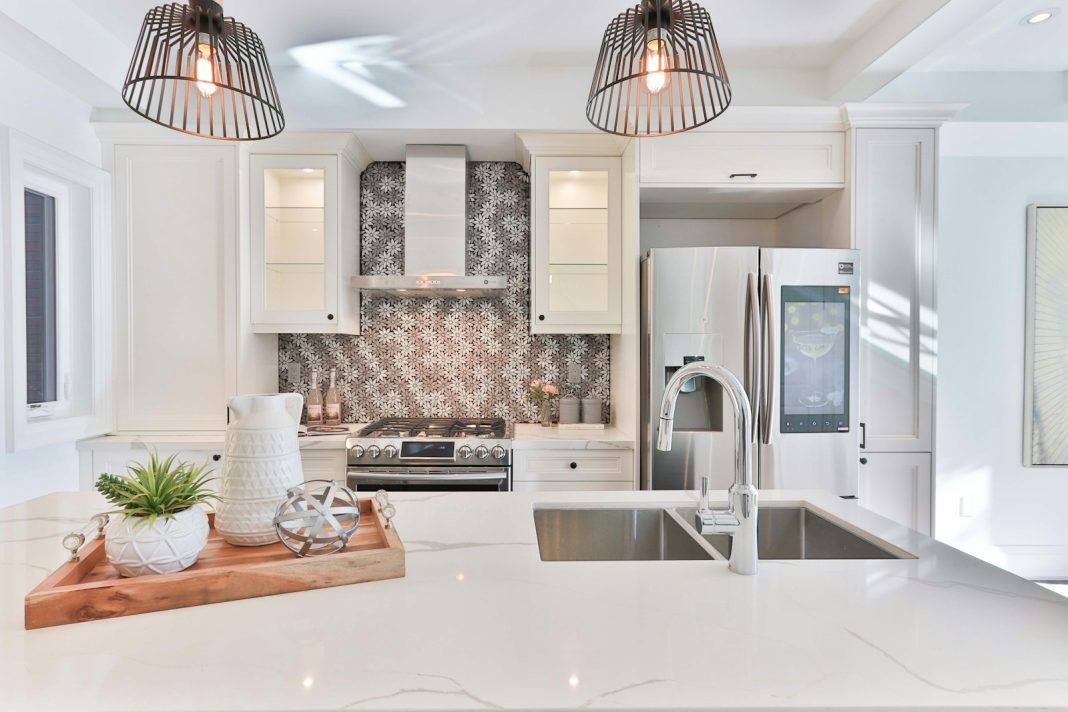

Lighting is one of those elements of interior design that people often underestimate. We obsess over furniture, wall colors, and decorative accents but forget that lighting is what brings everything to life. It shapes how we experience a room — how warm, open, or comfortable it feels. The right lighting can transform a plain space into something atmospheric and inviting, while the wrong lighting can make even the most beautifully furnished room feel flat and cold.
Many homeowners only realize how important lighting is after they’ve made a few mistakes. They might find themselves squinting under harsh white bulbs, struggling to read in a dimly lit corner, or realizing their expensive pendant light looks awkwardly out of place. But good lighting isn’t just about brightness; it’s about balance, purpose, and emotion. Let’s explore the most common lighting mistakes people make — and how to fix them — so your home feels not just seen, but truly illuminated.
- Relying on a Single Overhead Light
Perhaps the most widespread mistake in home lighting is depending entirely on one central ceiling fixture. It’s easy to see why this happens — overhead lights are practical, simple to install, and often the default in most rooms. But when they’re the only source of illumination, the result is usually harsh and unflattering. A single light in the center of a room creates shadows in the corners and can make faces look tired or washed out.
The solution lies in layering your lighting. Designers often talk about three layers: ambient, task, and accent lighting. Ambient light provides overall illumination — your ceiling fixture or recessed lights. Task lighting focuses on specific activities, like a reading lamp by the sofa or under-cabinet lighting in the kitchen. Accent lighting adds mood and highlights architectural or decorative features, such as wall sconces, LED strips, or even candles.
Think of it like painting with light: each layer adds depth, texture, and warmth. Instead of one harsh beam from above, multiple sources working together create softness and balance. A cozy living room, for example, might combine a ceiling pendant for general light, a few table lamps for reading, and warm wall sconces for ambience. The difference can be dramatic — suddenly, the space feels alive and multidimensional rather than flat and clinical.
- Ignoring the Importance of Bulb Color and Temperature
Another common oversight is not paying attention to color temperature — the subtle difference between warm, neutral, and cool light. Bulb temperature is measured in Kelvin (K), and it significantly affects how a room feels. Warm light (around 2700K to 3000K) gives off a soft, yellowish glow that feels cozy and inviting. Cool white light (4000K and above) has a bluish tone, more suitable for task-oriented spaces like offices or garages.
The mistake many people make is mixing the two inconsistently or choosing a tone that doesn’t suit the purpose of the room. For instance, cool light in a bedroom can feel sterile and unrelaxing, while overly warm light in a workspace can make it hard to concentrate.
When selecting bulbs, match the light temperature to the mood and function of the space. Use warm light in living areas and bedrooms to promote relaxation. Neutral white works best in kitchens and bathrooms, where clarity and brightness are key. Cool light can be used strategically in studios or home offices where focus matters.
It’s also important to stay consistent throughout connected spaces. Walking from a warm, amber-lit hallway into a bright, blue-toned kitchen can be visually jarring. Keeping a consistent tone helps create flow and harmony across your home.
- Forgetting About Dimmers and Control
Lighting doesn’t have to be static. In fact, one of the most underrated tools for great lighting is the humble dimmer switch. Many people install standard on/off lighting without realizing how limiting it can be. The ability to adjust brightness instantly transforms a space from functional to atmospheric.
Imagine your dining room during a dinner party: bright light for setting the table, then a gentle dim for the meal itself. Or your bedroom — bright light when you’re getting ready in the morning, soft and low as you wind down at night. Without dimmers, you lose that flexibility.
Installing dimmers isn’t expensive, and today’s smart lighting systems make it even easier. With smart bulbs or dimmer-compatible lamps, you can control brightness and even color temperature through an app or voice command. It’s a small upgrade that adds comfort, energy efficiency, and personality.
Think of lighting as something alive — it should adapt to your mood, your activities, and the time of day. Fixed, unchanging light often feels artificial, while adjustable light mirrors the natural rhythm of sunlight, helping your space (and you) feel more balanced.
- Overlooking Natural Light
One of the most beautiful and free forms of light is often the most underused: daylight. Many homeowners rely too heavily on artificial lighting, forgetting that the best light source is already streaming through their windows. Blocking it with heavy drapes, bulky furniture, or dark walls is a missed opportunity.
Natural light brings warmth, clarity, and an ever-changing quality that no bulb can fully replicate. It boosts mood, reduces energy costs, and enhances color accuracy in a room. Yet, in many homes, windows are treated more as decoration than as light sources.
To make the most of daylight, consider the room’s orientation. South-facing rooms get strong, steady sunlight, ideal for living spaces or dining rooms. North-facing rooms receive cooler, softer light that benefits from warmer wall colors or reflective surfaces to prevent dullness.
Use light curtains, mirrors, and strategically placed reflective materials to amplify natural light. Avoid blocking windows with large furniture pieces, and if privacy is a concern, consider frosted glass or layered window treatments. Even subtle changes — like adding a mirror opposite a window — can double the perceived brightness of a room.
- Ignoring the Power of Accent Lighting
Accent lighting is the secret ingredient that turns a functional space into one that feels curated and intentional. Yet, it’s one of the most commonly forgotten aspects of home lighting. Many people focus solely on general brightness, neglecting how accent lights can shape mood and visual interest.
Accent lights are like the highlights in a painting — they draw the eye and create depth. They can emphasize artwork, bookshelves, or architectural features like a brick wall or a fireplace. LED strip lighting under cabinets or along stairs adds subtle sophistication. Picture lights can make wall art glow beautifully.
Without accent lighting, rooms often look flat and one-dimensional, no matter how well-furnished they are. But even small touches can make a world of difference. A simple wall sconce, a backlit shelf, or even a strategically placed lamp can transform the atmosphere from purely functional to warmly expressive.
Bringing It All Together
What ties all these points together is the idea that good lighting design is intentional. It’s not just about making things visible — it’s about shaping experience. The way light interacts with a room can change its mood, its sense of space, and even the way colors and textures appear.
When choosing lighting, start by thinking about how you use the space. A living room should feel adaptable — bright enough for reading, soft enough for movie nights. A kitchen needs clarity and brightness but also warmth for family gatherings. A bedroom benefits from layers — a bedside lamp for intimacy, a dimmed overhead for relaxation.
And remember, lighting isn’t a one-time setup. As your lifestyle changes, your lighting needs might too. Maybe you start working from home and need better task lighting, or perhaps you want to add a cozier atmosphere to your evenings. The best lighting schemes evolve with you.