
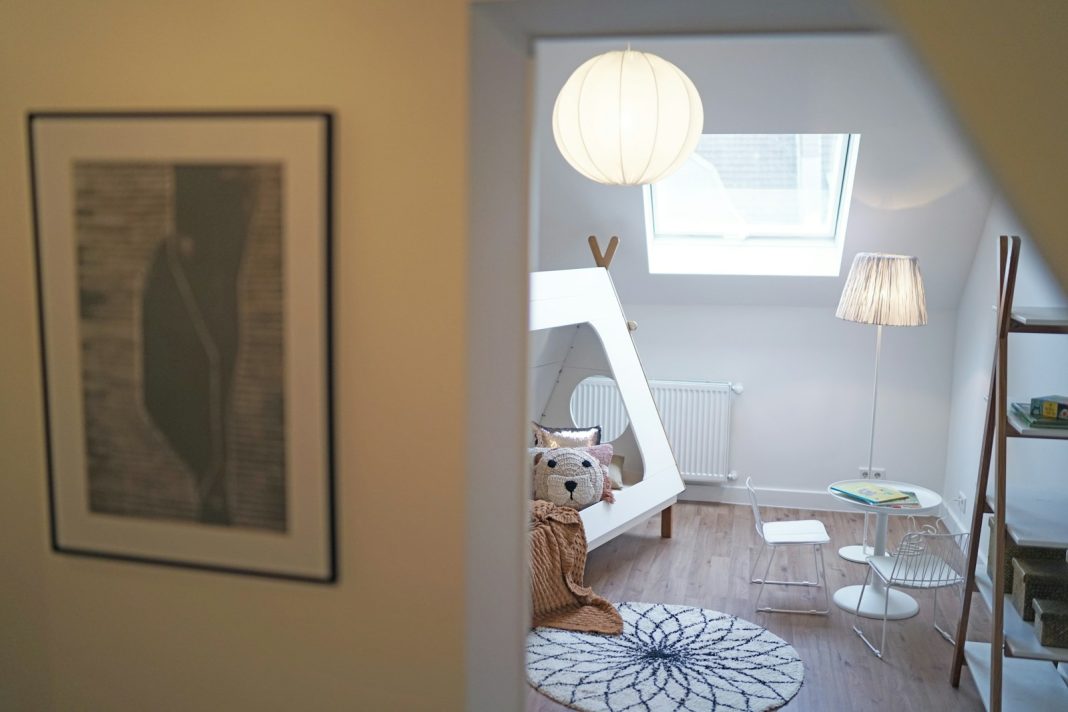

Walk into any well-designed room, and you’ll feel something before you see it — a quiet sense of warmth, clarity, and balance. You might not immediately realize why, but often the secret lies not in the furniture or color palette, but in the lighting. The way light fills a space has the power to transform not only how a room looks, but also how it feels. Too harsh, and a room becomes sterile; too dim, and it turns gloomy. The answer to achieving both comfort and character lies in what designers call layered lighting — a thoughtful blend of different light sources that work together to create depth, mood, and warmth.
Layered lighting isn’t simply about adding more lamps or brighter bulbs. It’s about designing light with purpose, using it as an invisible architecture that shapes the room’s emotional tone. Whether it’s the gentle wash of ambient light, the sharp focus of a reading lamp, or the subtle glow highlighting artwork, each source contributes to the overall story the space tells. Like music, light has rhythm, harmony, and volume — and when composed skillfully, it can turn an ordinary room into a deeply inviting one.
Understanding the Three Layers of Light
Every lighting design, no matter how simple or grand, is built from three essential layers: ambient, task, and accent lighting. Understanding how these work individually — and how they interact — is the foundation of creating depth and warmth in your home.
- Ambient Lighting: The Foundation
Ambient lighting, also called general lighting, is the base layer that sets the overall tone of the space. It’s the soft flood of light that lets you move around safely and comfortably. Think ceiling fixtures, recessed lights, or even daylight streaming through large windows. Good ambient lighting doesn’t call attention to itself; instead, it quietly defines the room’s mood.
For example, in a living room, a well-placed chandelier or a set of recessed lights with dimmers can provide flexible illumination that shifts from lively brightness during gatherings to soft calm for evening relaxation. In bedrooms, warm white bulbs and diffused lampshades can make the space feel cocoon-like. Ambient lighting is the canvas upon which the rest of the lighting composition is painted.
- Task Lighting: The Performer
If ambient lighting is the background music, task lighting is the soloist — precise, functional, and focused. This layer illuminates areas where specific activities take place: reading, cooking, writing, or grooming. It’s directional and purposeful, designed to make everyday tasks easier and more comfortable.
In kitchens, under-cabinet lighting helps with food preparation while eliminating harsh shadows. A well-placed desk lamp turns a corner into a productive workspace. In a living room, a floor lamp beside a reading chair can provide just the right amount of brightness without overwhelming the rest of the space. The secret is balance: task lighting should enhance functionality without clashing with the softer glow of ambient light.
- Accent Lighting: The Storyteller
Accent lighting adds depth and character — the visual spice that gives a room its personality. It draws the eye to architectural features, art, plants, or textures. Wall sconces that graze across brickwork, picture lights illuminating artwork, or small spotlights highlighting shelves all fall into this category.
Used skillfully, accent lighting adds dimension. It creates shadows and contrasts that make the room feel alive. A single pendant over a dining table, for example, not only provides light but also establishes intimacy, making meals feel special. Accent lighting is where design turns emotional — where light begins to sculpt atmosphere.
The Psychology of Light: Why Layering Matters
Light doesn’t just change how a room looks; it changes how we feel within it. Research in environmental psychology shows that lighting influences mood, energy levels, and even social behavior. Bright, cool light tends to stimulate alertness and focus, while soft, warm light fosters calmness and intimacy.
Layered lighting gives you emotional flexibility — the ability to adjust the atmosphere to suit the moment. A living room with layered lighting can easily shift from a lively social setting to a serene retreat simply by dimming overhead fixtures and relying on table lamps and candles. It’s like changing the emotional soundtrack of your home.
Moreover, lighting impacts perception of space. Even a small room can appear larger when light sources are placed strategically at different heights. A combination of wall sconces, floor lamps, and ceiling lights can draw the eye upward and outward, creating an illusion of spaciousness. Layering light, in essence, means layering experience.
The Role of Warmth: Beyond Brightness
Brightness alone doesn’t equal warmth. In fact, overly bright white lighting can make a space feel sterile, like a hospital corridor. Warmth comes from color temperature — the tone of light measured in Kelvin (K). Lower values, around 2700K to 3000K, emit a soft golden glow that feels cozy and intimate. Higher values, above 4000K, produce cooler, bluish tones often used in offices or workspaces.
To create a home that feels welcoming, most designers recommend a mix of warm and neutral light sources. For example, pair a warm ambient ceiling light with cooler task lighting at the kitchen counter. The slight contrast helps keep the space both inviting and functional. Layering isn’t just about quantity — it’s about harmony between tone and purpose.
Another key to warmth is texture. Light interacting with materials — linen lampshades, matte walls, or wood surfaces — softens its impact and diffuses it beautifully. A fabric shade can mellow harsh brightness, while a brushed brass fixture can add visual warmth even when the light is off. The goal is to make the light feel alive, not artificial.
Practical Ways to Layer Light at Home
You don’t need a professional lighting designer to create depth and mood. With a bit of intention, you can transform your own living spaces. Here are a few guiding principles:
Start with a purpose. Ask what each space is used for — reading, relaxing, entertaining — and design the lighting around those activities.
Use multiple sources. Instead of one overpowering ceiling light, combine smaller lamps, sconces, and indirect lights at different levels.
Add dimmers. They’re the easiest way to control intensity and instantly change mood.
Highlight what matters. Use accent lighting to emphasize artwork, plants, or architectural details.
Mix textures. Combine reflective surfaces like glass with soft fabrics and warm metals to create visual balance.
Mind the shadows. Well-placed shadows add drama and depth; flat lighting can make a room feel lifeless.
A beautifully layered room often has light sources at three levels: overhead (ambient), mid-level (sconces or pendants), and low-level (table or floor lamps). This vertical layering makes the space feel dynamic and multidimensional.
Lighting as Storytelling
Think of light as a storyteller that reveals different moods depending on time and intention. In the morning, sunlight pouring through curtains energizes you. By evening, a table lamp’s soft glow signals rest and intimacy. The same room can express many versions of itself simply by adjusting the light.
Interior designers often say that lighting is the “final brushstroke” of a room — the moment when architecture and emotion meet. It shapes not only what we see but also what we remember. A cozy reading nook, a softly lit dinner table, a hallway glowing with gentle sconces — these experiences imprint feelings of warmth and belonging.
The Future of Layered Lighting
As technology evolves, lighting design is becoming more intuitive and human-centered. Smart bulbs now allow you to shift color temperature and brightness throughout the day, mimicking natural sunlight patterns to support your body’s circadian rhythm. Warm, dim light in the evening can promote relaxation and better sleep, while cool, bright light in the morning enhances alertness.
Sustainability also plays a role. LED lighting, once cold and harsh, now offers warm tones and longer life spans with minimal energy use. Designers are blending sustainability with artistry — using light not only to beautify spaces but also to create emotional well-being responsibly.