
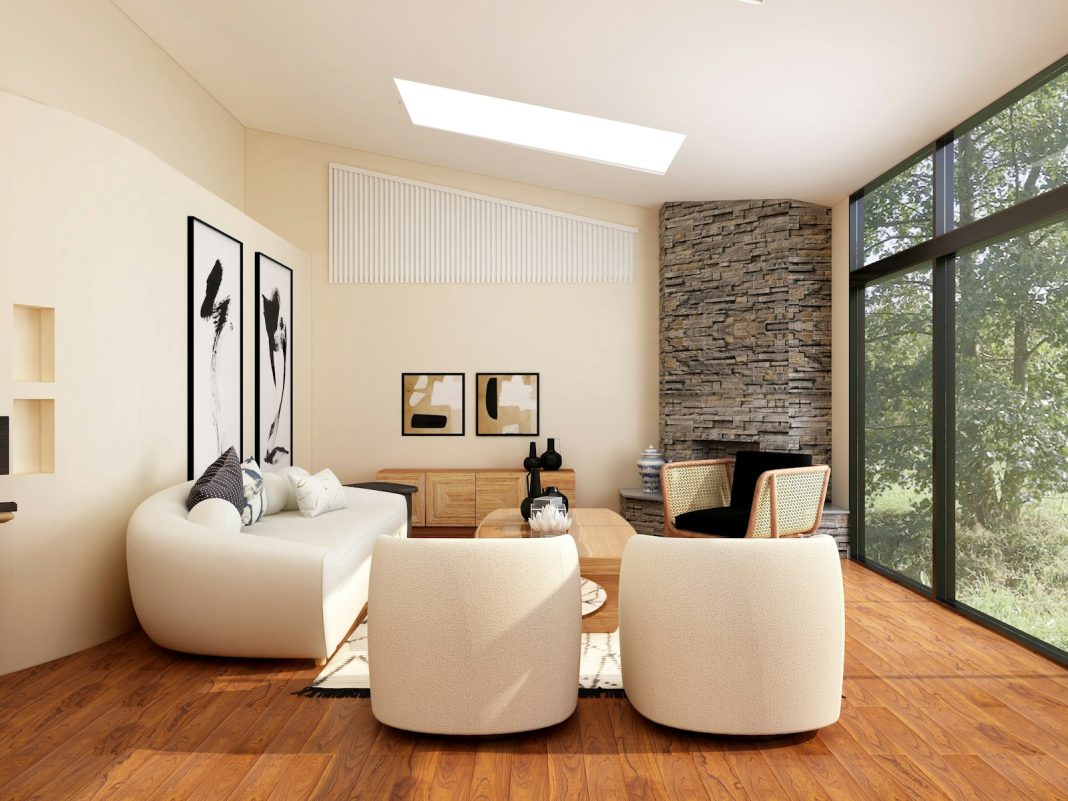

When it comes to designing a living room, the space that often serves as the heart of the home, style choices reveal far more than aesthetic preference — they expose personality, priorities, and even philosophies of living. Two dominant but opposing design approaches have captured modern imagination: minimalism and maximalism. One whispers serenity through empty space, while the other sings in layers of color, pattern, and personality. Neither is inherently superior; both carry distinct emotional and psychological resonance. Understanding what each means — and how they connect to the way we live — can help you find the version of “home” that truly fits you.
The Minimalist Mindset: Less as a Language
Minimalism began as a design philosophy rooted in simplicity, clarity, and function. Its guiding principle — “less is more” — champions clean lines, neutral palettes, and carefully selected furniture. A minimalist living room often feels open and light, with uncluttered surfaces and space for the eye to rest. Every object serves a purpose, and each detail feels intentional.
This approach isn’t just about aesthetics; it’s a reflection of mental and emotional clarity. People drawn to minimalism often crave order in a chaotic world. They appreciate how an uncluttered environment can quiet the mind and allow focus. A simple white sofa paired with a single oak coffee table, sunlight spilling through sheer curtains — such a scene radiates calm. It’s the visual equivalent of a deep breath.
Minimalism also reflects a growing desire to live sustainably. Owning fewer items means buying less, wasting less, and cherishing what remains. In a society saturated with consumerism, minimalism becomes almost a form of rebellion — a conscious choice to value quality over quantity, presence over possession. When done right, it isn’t sterile or empty; it’s intentional space that allows life to take center stage.
The Maximalist Spirit: More as Meaning
If minimalism is a quiet poem, maximalism is an orchestra in full swing. It thrives on abundance, layering, and the freedom to mix patterns, textures, and eras. A maximalist living room feels alive — a tapestry of memories, curiosities, and self-expression. Walls become galleries, sofas are piled with vibrant pillows, and books and plants spill across shelves like stories waiting to be told.
For the maximalist, home is a personal museum, a narrative written in color and chaos. There’s an emotional richness to the style: each object tells a story, each corner hums with life. The philosophy here isn’t about control but about celebrating individuality. Instead of reducing, it embraces — believing that beauty and meaning can emerge from contrast and complexity.
Maximalism invites experimentation. You might see a vintage Persian rug beneath a modern velvet couch, next to a neon lamp and a framed family heirloom. It’s a bold conversation between eras, moods, and cultures — a reflection of life itself, which is rarely tidy or monochrome. For people who find comfort in creativity, maximalism becomes a visual diary, a living room that speaks in laughter and nostalgia.
Psychology of Space: How Design Shapes Emotion
Beyond appearances, these two styles influence how we feel in our environments. Psychologists have long noted that surroundings affect stress levels, focus, and emotional well-being. Minimalist spaces often promote tranquility and clarity — ideal for those who feel overstimulated or crave order. They invite mindfulness, encouraging people to be present rather than distracted.
On the other hand, maximalist spaces provide stimulation and joy. For some, the visual richness boosts creativity and energy. Surrounded by color, pattern, and personal objects, they feel grounded and inspired. Maximalism mirrors the layered nature of memory and identity, reminding us that our experiences are complex and beautifully imperfect.
What’s interesting is that both styles, though opposites, aim for the same emotional goal: comfort and authenticity. The minimalist finds peace in open space; the maximalist finds it in meaningful clutter. The real question isn’t which is “better” — it’s which feels like you.
Design Elements That Define Each Style
Color and Light
Minimalist living rooms thrive on neutral tones — whites, grays, beiges, and soft earth shades that create visual calm. Natural light plays a starring role, making the space feel airy and open. Every shadow and texture becomes part of the composition.
Maximalist color schemes, by contrast, embrace boldness. Jewel tones, deep greens, mustard yellows, and vibrant pinks coexist with playful confidence. Light becomes dramatic, accenting the richness of the room rather than softening it. Where minimalism whispers, maximalism sings.
Furniture and Layout
In minimalist rooms, furniture is streamlined and purposeful. A few well-chosen pieces provide function without excess. The empty spaces around them are as important as the objects themselves — negative space that allows the mind to rest.
Maximalist furniture mixes shapes, sizes, and periods. A mid-century chair may sit beside a baroque cabinet, tied together not by uniformity but by personality. The goal is not perfection but visual storytelling. Layered rugs, mismatched chairs, and unexpected pairings give the room soul.
Décor and Accessories
Minimalist décor focuses on subtle textures — a linen throw, a single ceramic vase, or a black-and-white photograph. Each item earns its place, creating a sense of balance and restraint.
Maximalist décor turns abundance into art. Gallery walls, eclectic collections, stacks of books, and souvenirs from travels transform the living room into a portrait of life lived fully. It’s organized chaos — where every “extra” item adds character rather than clutter.
Blending the Two: The Rise of “Warm Minimalism”
Interestingly, modern interior design increasingly merges the best of both worlds. The term “warm minimalism” has emerged to describe spaces that maintain minimalist simplicity but soften it with warmth, texture, and a few expressive touches. Think neutral walls paired with vintage wood furniture or a minimalist layout enhanced by a splash of art and greenery.
This fusion reflects how people are rethinking home design — not as rigid categories but as personal ecosystems. You can love the serenity of minimalism and still crave the soul of maximalism. A balanced living room might feature clean lines and open space, but with layered textiles, meaningful artwork, and color accents that tell your story. It’s not about choosing sides; it’s about finding harmony between calm and character.
Finding Your Fit: Questions to Ask Yourself
If you’re torn between the two, consider what you value most in your daily life:
Do you feel more peaceful in open, uncluttered spaces or in rooms filled with reminders of your life’s adventures?
Are you energized by visual variety or distracted by it?
Do you see home as a sanctuary for calm or a gallery of expression?
Your answers will reveal your natural design rhythm. The minimalist may find joy in paring down to essentials, curating only what serves purpose or beauty. The maximalist may find comfort in surrounding themselves with life’s treasures, letting their home tell a vibrant story. There’s no right or wrong — just a reflection of your essence.
The Deeper Meaning of Design
At its core, the minimalist vs. maximalist debate is about how we define enough. Minimalism challenges us to consider what we truly need, teaching restraint and mindfulness. Maximalism reminds us that joy can be found in abundance, in the layers of living and collecting. Both philosophies ask us to be intentional — to design spaces that reflect our truest selves.
Your living room is not just a room; it’s a canvas for the way you live, think, and dream. Whether you prefer a single vase on a bare table or a riot of color spilling across every surface, the goal is the same: to create a space that feels like home. The beauty lies not in minimalism or maximalism, but in the courage to express your own balance between simplicity and abundance.