
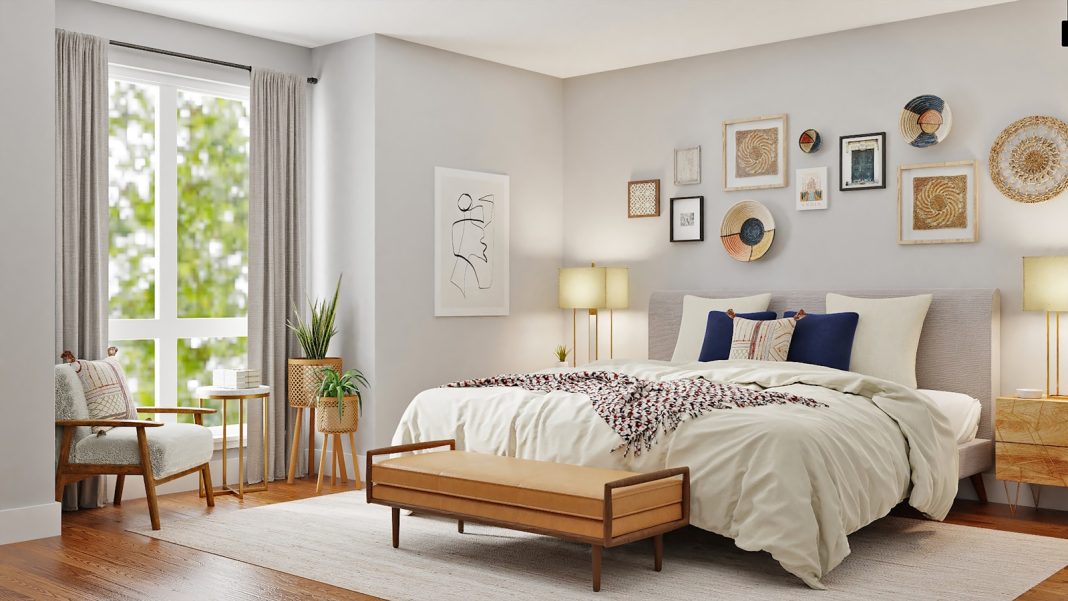

The way we design our homes says a lot about who we are — and perhaps even more about the times we live in. Each year brings new shifts in how we think about comfort, beauty, and the meaning of “home.” As we step into 2025, furniture design is entering a fascinating new chapter — one shaped by technology, sustainability, and an emotional need for authenticity in a fast-paced world.
From modular couches that adapt to your life, to sculptural statement pieces that feel more like art than furniture, the trends of 2025 are not just about what looks good, but what feels right. Here’s a closer look at the furniture movements that are transforming homes this year — and why you might want to invite them in.
- Sustainability Isn’t a Trend — It’s the New Standard
If there’s one thing defining 2025 design, it’s consciousness. After years of “eco-friendly” being treated like a niche label, sustainable design has become the heart of modern furniture-making. Consumers aren’t just looking for pretty pieces anymore — they’re asking how, where, and from what those pieces are made.
Brands are increasingly turning to reclaimed wood, recycled metals, and plant-based fabrics to craft timeless furniture with minimal environmental footprint. Organic cotton upholstery, bamboo chairs, and repurposed teak tables are not only ethical choices but also add warmth and natural texture to interiors.
Interestingly, sustainability has evolved beyond materials — it now includes longevity and adaptability. Furniture that lasts, that can be repaired or reconfigured, is replacing cheap, disposable pieces. In 2025, sustainability means creating homes that grow with us, not ones that are redesigned every season.
- Modular Living: Furniture That Moves With You
Gone are the days when furniture was static. The modern lifestyle — fluid, flexible, and often hybrid — has sparked a revolution in modular design. From stackable coffee tables to sectional sofas that can change shape, modular furniture answers the call for adaptability.
In urban apartments, where space is precious, multi-use furniture has become essential. A modular sofa can transform from a compact loveseat into a sprawling lounge, while storage ottomans and nesting side tables make small rooms effortlessly dynamic.
Even large homes are embracing modularity for the freedom it offers. It’s about designing spaces that can evolve — a home office that becomes a guest room, a living room that doubles as a studio. 2025’s modular trend celebrates the beauty of change, making flexibility not just practical, but stylish.
- The Return of Craftsmanship and the Human Touch
In a world increasingly shaped by digital tools and mass production, people are rediscovering the beauty of the handmade. Furniture with visible grain, handwoven fabrics, and irregular textures tells a story of human hands and real time spent in creation.
Designers are emphasizing imperfection as charm — wabi-sabi aesthetics are thriving again, where the beauty of flaws and natural variations take center stage. Expect to see artisanal chairs with unique joinery, pottery-inspired lamps, and tables with hand-carved legs.
This return to craftsmanship isn’t nostalgic — it’s emotional. People crave authenticity in an age of automation. Owning something handcrafted makes home feel grounded, personal, and connected to the world beyond algorithms.
- Curves and Soft Geometry: The End of Sharp Corners
If 2020s minimalism gave us clean, boxy furniture, 2025 is softening the edges. This year, curves are everywhere — rounded sofas, crescent-shaped chairs, circular coffee tables, and arched shelving. These organic silhouettes echo nature and feel more inviting than the strict lines of the past decade.
Curved furniture creates a sense of flow and comfort, especially when paired with tactile fabrics like boucle, suede, or velvet. It’s a subtle shift in psychology: the home isn’t just a place to live; it’s a sanctuary for emotional well-being.
A round coffee table encourages gathering. A curved sofa creates conversation. These designs remind us that furniture doesn’t just fill space — it shapes how we interact within it.
- Color Comes Home: Warm Tones and Expressive Shades
Neutrals have dominated interior design for years, but in 2025, color is making a comeback — and not in a timid way. Rich, earthy tones like terracotta, olive, and caramel are blending with confident hues of cobalt blue, mustard, and deep plum. These shades bring both depth and personality to rooms, offering comfort and expression at once.
Furniture designers are embracing color as emotion. A green velvet armchair becomes a focal point; a rust-colored credenza warms a minimalist room. Even accent details — painted table legs, colorful stitching, or patterned cushions — are adding life to previously monochromatic spaces.
This year, design experts predict a strong movement toward “color therapy” — using shades to influence mood. Warm tones for coziness, cool blues for calm, and bold accents for creativity. Home is, after all, where emotion lives.
- Tech-Integrated Furniture: Smart Design for Smart Living
Our furniture is getting smarter — but not in a flashy, sci-fi way. The smart home revolution is maturing, and 2025 furniture trends reflect that. Pieces now blend technology seamlessly into daily living.
We’re seeing desks with built-in wireless chargers, sofas with hidden USB ports, and beds with adjustable lighting and temperature control. Even dining tables come with modular panels that can convert into workspace setups.
But the most exciting part is subtlety: technology is no longer meant to dominate the aesthetic. Instead, it’s becoming invisible innovation — intuitive, integrated, and effortless. Good design, after all, isn’t just what you see; it’s what you feel.
- The Rise of Statement Pieces and Sculptural Forms
Minimalism may still hold appeal, but 2025 is embracing the art of bold individuality. Every room, designers say, deserves at least one statement piece — a sculptural chair, an asymmetrical coffee table, or an oversized light fixture that sparks conversation.
Furniture is evolving into functional art. Pieces once meant to “blend in” are now designed to stand out. We’re seeing playful experimentation with materials — resin mixed with wood, glass layered with stone, metal curved like fabric.
The idea isn’t to overwhelm a room, but to anchor it with personality. A statement chair can tell a story, a unique lamp can become a mood. Homes are becoming reflections of the people who live in them — expressive, layered, and alive.
- Comfort as the Ultimate Luxury
If there’s a word that defines 2025’s furniture philosophy, it’s comfort. After years of social and cultural turbulence, people are prioritizing ease, softness, and relaxation. The most luxurious furniture now isn’t the flashiest — it’s the coziest.
Designers are responding with plush materials, ergonomic forms, and cocooning shapes. Think deep sectional sofas you can sink into, oversized armchairs that hug you, or chaise lounges that make reading feel indulgent.
This new comfort doesn’t sacrifice style; instead, it redefines it. Elegance in 2025 means effortless comfort — furniture that invites you to exhale after a long day, not just admire from afar.
- Mixing Eras: Vintage Meets Futurism
2025 is blurring the line between old and new. The best interiors this year combine vintage charm with futuristic innovation — mid-century chairs beside smart lighting systems, retro credenzas paired with minimalist decor.
It’s not about nostalgia, but balance. People want the emotional warmth of history and the sleek convenience of technology. Vintage shopping and furniture upcycling are booming as homeowners seek unique character over cookie-cutter showroom looks.
This blend gives homes a timeless feel — modern, yet rooted in memory. It’s a trend that celebrates individuality, creativity, and sustainability all at once.
- Personalization: Designing for the Way You Live
Finally, the biggest furniture trend of 2025 isn’t a style or material — it’s personalization. Today’s designers are breaking free from “one-size-fits-all” aesthetics to focus on how people actually live.
Custom upholstery, adjustable configurations, and made-to-order finishes are giving homeowners more control than ever. Digital tools now allow customers to visualize designs before purchase, making the process interactive and personal.
The home is no longer a static showcase; it’s an evolving reflection of its owner. Whether you’re a minimalist who values calm or a maximalist who celebrates abundance, 2025 design welcomes you to make the space yours.
The Future of Living: Where Design Meets Emotion
The furniture trends of 2025 aren’t about fleeting fashion — they’re about feeling. After years of uncertainty, people want their homes to do more than look stylish; they want them to nurture, express, and adapt.
Sustainability ensures our choices have meaning. Craftsmanship brings warmth and authenticity. Technology integrates quietly, while color and comfort remind us that design is, at its core, about humanity.
In the end, the best furniture trend you can follow this year isn’t the one everyone’s talking about — it’s the one that makes you feel at home.