
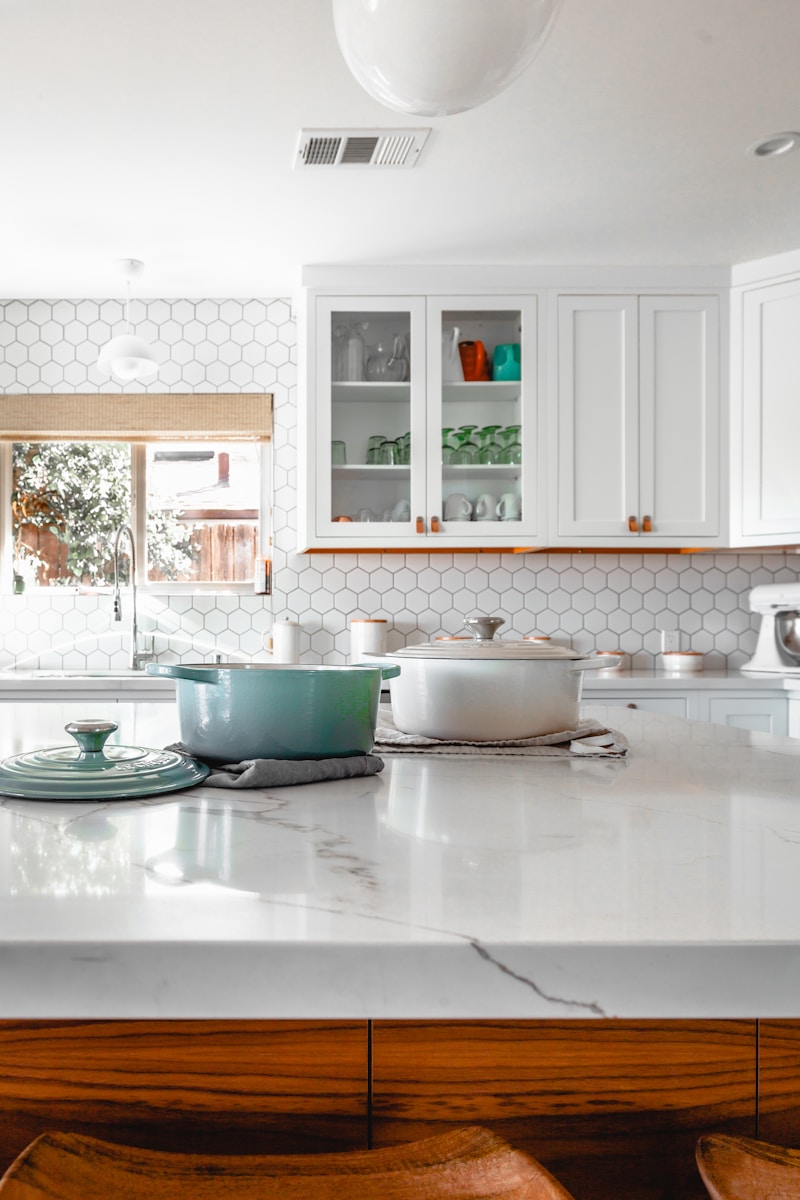

A small kitchen can feel like both a challenge and a charm. It’s the heart of the home—a place for coffee in the quiet of morning, late-night snacks, and conversations that linger long after dinner. But when your space is tight, every inch counts. Drawers overflow, countertops crowd with appliances, and suddenly cooking feels like a balancing act rather than a pleasure. The secret, however, isn’t having more space—it’s learning how to make your space work smarter. With the right mindset and a few practical hacks, even the tiniest kitchen can function beautifully and feel surprisingly open.
- The Art of Seeing Space Differently
Most people think of storage as a game of addition: more shelves, more bins, more hooks. But truly efficient small kitchen design begins with subtraction. It’s about redefining what’s essential and seeing potential in overlooked corners. Before you buy another organizer, take everything out of your cabinets and drawers. Ask yourself: Do I really use this?
Often, what clutters a small kitchen isn’t a lack of storage—it’s excess. That second set of mixing bowls, the dull knives, or the three travel mugs you never touch—they quietly steal space. Once you’ve pared down, you can start to reimagine the layout. Suddenly, the narrow strip between the stove and the wall looks like a perfect spot for a vertical spice rack. That forgotten space above your cabinets could hold baskets of rarely used items. A small kitchen becomes much larger when every inch earns its keep.
- Vertical Thinking: Going Up, Not Out
In small kitchens, the biggest missed opportunity is often height. We tend to see storage only at eye level, leaving the upper walls as wasted potential. One of the simplest yet most transformative hacks is to install open shelving or wall-mounted racks that extend toward the ceiling. These are perfect for storing items you use less often—like serving platters, seasonal bakeware, or extra glasses.
If you’re worried about visual clutter, choose matching baskets or containers to keep the look cohesive. For a softer touch, add a few plants or cookbooks to break up the storage rhythm. The goal is to make the space functional but also beautiful. A well-styled open shelf turns necessity into design.
Magnetic knife strips are another underrated vertical hero. Instead of bulky knife blocks that hog counter space, mount your knives on the wall. It’s safer, cleaner, and easier to grab what you need while cooking. The same concept works for spice jars with metal lids—mount them under a shelf or along a backsplash using magnetic strips.
- The Power of Hidden Storage
One of the biggest frustrations in small kitchens is cluttered countertops. The solution lies in finding ways to tuck things away—sometimes in places you’d least expect. For instance, the back of cabinet doors is prime real estate. Attach slim racks or adhesive hooks there to hold cutting boards, pot lids, or measuring cups. Inside drawers, use adjustable dividers to keep utensils neat instead of tangled.
If your kitchen layout allows, consider a rolling cart that can be moved in and out as needed. When tucked against a wall, it can store pantry items or appliances; when pulled out, it becomes an extra prep station or serving surface. Some people even retrofit narrow rolling shelves that fit perfectly between the refrigerator and the wall—an ingenious spot for oils, condiments, or canned goods.
Don’t overlook toe-kick drawers either. The space beneath lower cabinets can be transformed into shallow drawers for storing baking sheets or cutting boards. It’s a trick professional designers often use in high-end small kitchens, but you can do it yourself with the right hardware.
- Multipurpose Furniture: Function Meets Flexibility
In a small kitchen, every piece of furniture should earn its place through versatility. A kitchen island, for instance, doesn’t have to be large or permanent. Look for a compact island with built-in shelves or drawers, or even one with drop-leaf sides that can expand when you need extra workspace. When not in use, it can double as a breakfast bar or a coffee station.
Stools that tuck under the counter, foldable dining tables, and nesting bowls are other examples of functional minimalism. The goal is adaptability—creating a space that shifts to fit your lifestyle. You might even install a wall-mounted fold-down table that serves as a prep area by day and a laptop desk by night. The key is to think creatively: in small kitchens, design is less about square footage and more about clever geometry.
- Drawer and Cabinet Organization That Actually Lasts
We’ve all seen those “Pinterest-perfect” drawers that look amazing for a week, then devolve into chaos. Sustainable organization means designing systems that fit how you actually live. Instead of buying random organizers, first observe your habits. Which tools do you use every day? Which ones just sit there? Keep your most-used items in the easiest-to-reach places.
Consider these practical tweaks:
Tiered racks inside cabinets let you see everything at once, eliminating the “lost can in the back” problem.
Lazy Susans in corner cabinets make awkward spaces accessible.
Pull-out drawers instead of fixed shelves in lower cabinets prevent bending and rummaging.
Clear bins in the fridge and pantry keep ingredients visible, reducing waste.
Labeling also helps maintain order, but do it subtly—small handwritten tags or printed labels on uniform containers keep things stylish yet functional. The secret isn’t perfection; it’s creating a setup you can maintain effortlessly.
- Light and Color: The Illusion of Space
Storage isn’t just physical—it’s visual. A kitchen that feels open and airy automatically feels more organized. Light plays a huge role here. If possible, let natural light flood in, or add under-cabinet LED strips to illuminate countertops. Even small adjustments, like reflective backsplashes or glass cabinet doors, can make a big difference.
Color also affects perception. Light, neutral tones expand a space visually, while dark colors can make it feel closed in. That doesn’t mean everything must be white—soft blues, warm grays, or pale greens can add character without crowding the eye. Use pops of color sparingly: a bright kettle, patterned dish towels, or vintage jars can inject personality without cluttering the look.
- Creative Zones: Organizing by Purpose
One of the most underrated storage strategies is zoning—grouping items by how you actually use your kitchen. Instead of spreading utensils and tools randomly, create small “stations” for different tasks. For example:
A coffee zone with mugs, beans, and filters all in one cabinet near the kettle.
A baking corner with measuring cups, mixers, and flour stored together.
A prep station beside the stove with knives, cutting boards, and oils at hand.
This not only saves time but also reduces mess. When every item has a logical home, cleanup becomes intuitive, and your small kitchen starts to flow like a professional workspace.
- The Aesthetic of Order: Making Storage Beautiful
Practical doesn’t have to mean plain. The best storage hacks are those that blend function with beauty. Use natural materials—wood, glass, woven baskets—to add warmth. Display a few attractive essentials, like a marble cutting board or ceramic mixing bowls, rather than hiding everything away. This creates a “curated clutter” look that feels lived-in but intentional.
You can even turn everyday items into design features. Hang copper pots from a ceiling rack, line spices in identical jars with minimalist labels, or place utensils in a rustic stone jar. When storage doubles as décor, your small kitchen gains both charm and purpose.
- The Mindset Shift: Living with Less, Enjoying More
Ultimately, the best storage hack isn’t a product—it’s a mindset. A small kitchen forces you to be intentional, and that’s its hidden gift. When space is limited, every choice carries weight. You begin to keep only what you love and use, and the result is a kitchen that feels lighter, calmer, and more personal.
Cooking becomes easier when you can see and reach everything. Cleaning becomes faster because there’s less to move. And somehow, the whole kitchen seems to breathe again. It’s not about achieving a picture-perfect look; it’s about creating a space that supports your daily life.