
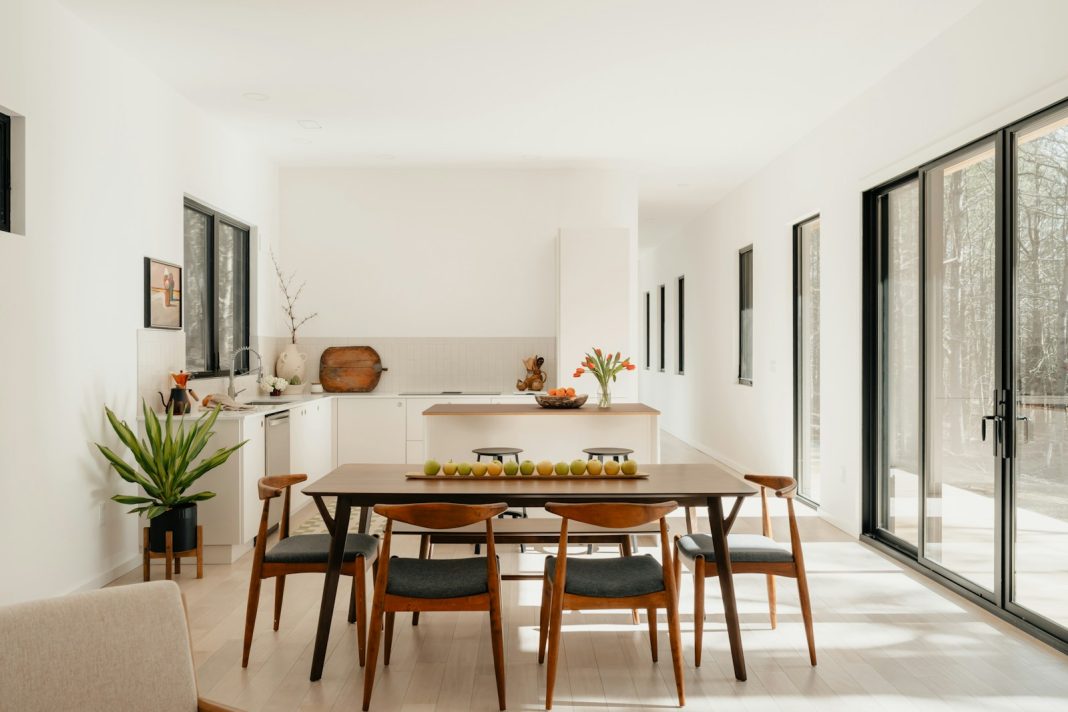

In a world where trends change faster than the seasons and disposable design dominates the market, truly lasting furniture has become something of a luxury — not just in price, but in principle. Walk through any big-box store today and you’ll find endless aisles of flat-packed tables and fast-fading finishes. They look good under the showroom lights, sure, but after a year or two of everyday living — a few coffee spills, a house move, or a child’s art experiment gone wrong — they start to show their age.
And yet, there’s something deeply satisfying about furniture that endures. A well-crafted dining table that becomes the setting for generations of family meals. A leather armchair that gains character with every crease. A solid oak bed frame that outlasts every trend in paint color. Choosing furniture that lasts a lifetime isn’t about buying the most expensive thing in the room — it’s about understanding craftsmanship, materials, and timeless design.
Here’s how to make choices today that will still make sense — and look beautiful — decades from now.
- Quality Starts Beneath the Surface
Good furniture doesn’t always announce itself at first glance. It’s easy to be dazzled by a glossy finish or clever styling, but true quality hides beneath the surface. When you’re evaluating a piece, start by looking at its bones — the structure that holds everything together.
For wood furniture, solid hardwoods such as oak, maple, walnut, or cherry are time-tested choices. They’re sturdy, naturally resilient, and capable of being refinished or repaired. Avoid particleboard and MDF, which might mimic the look of wood but rarely share its strength. A solid wood table, properly cared for, can last generations; a veneered particleboard table may not survive your next move.
For upholstered furniture, pay attention to the frame. Kiln-dried hardwood frames resist warping and cracking over time, whereas softwood or composite frames often loosen or squeak with age. Lift one corner of a sofa — if the entire frame lifts evenly, it’s likely well-constructed. If it twists or flexes, it’s not built to last.
In short: quality furniture isn’t flimsy, even when it looks delicate. It’s designed to endure the weight of daily life.
- Craftsmanship: The Signature of Longevity
Craftsmanship is what separates a piece of furniture from a product. You can feel it in the joints, the seams, and the finishes.
Look for joinery that tells you the maker took care: dovetail joints in drawers, mortise-and-tenon connections in chairs, or corner blocks in sofas. These techniques have been used for centuries because they create strength without relying solely on glue or screws. In contrast, furniture held together with staples, visible nails, or only adhesive will likely fail over time.
The same rule applies to upholstery. A hand-tied spring system in a sofa, for example, provides even support and comfort that lasts far longer than the cheaper sinuous or webbed versions. Double-stitched seams and high-quality zippers indicate attention to detail.
Good craftsmanship doesn’t necessarily mean ornate or old-fashioned. Even minimalist pieces can be beautifully made — it’s about precision, proportion, and integrity of construction.
- Material Matters: Choose with the Future in Mind
Materials aren’t just about aesthetics — they determine how your furniture ages. Some materials get better with time; others deteriorate no matter how carefully you treat them.
Wood: Solid hardwoods, as mentioned, age gracefully. They can be sanded, refinished, or repaired. Softwoods like pine are more affordable but prone to dents and scratches. Still, a well-finished pine piece can last decades if cared for.
Metal: Steel and wrought iron are excellent for durability and lend an industrial charm. Be cautious of thin, hollow tubing or chrome plating, which can chip or rust.
Upholstery: Natural fabrics like linen, cotton, and leather breathe better and often age beautifully. Leather, in particular, tells a story over time — softening, darkening, and developing a patina unique to your home. Synthetic fabrics may resist stains better but can break down or pill over the years.
Stone and Glass: While elegant, these materials require thoughtful use. A marble tabletop, for instance, can last centuries, but it also stains easily. Tempered glass adds lightness and modern appeal but may show fingerprints and scratches.
Choosing materials that can withstand your lifestyle — kids, pets, spills, and all — is the real secret to longevity.
- Design That Defies Time
The phrase “timeless design” gets thrown around a lot, but what does it really mean? It’s not about avoiding trends altogether; it’s about choosing pieces with enduring proportions, versatility, and honesty in form.
Think of a mid-century modern armchair, a Shaker-style table, or a simple Windsor chair — all designs that have lasted because they balance beauty with function. They were not born from passing fads but from thoughtful craftsmanship and human-centered design.
When choosing furniture, ask yourself: Would I still love this ten years from now? Pieces with clean lines, balanced symmetry, and neutral tones tend to age best. If you crave color or trendiness, add it through smaller accessories — cushions, rugs, or throws — that can be swapped easily without replacing the entire piece.
- Comfort Is a Form of Durability
Longevity isn’t just about materials and structure — it’s also about how furniture feels to live with. A sofa that looks stunning but causes back pain won’t last long in your home, no matter how solidly built it is.
Before buying, test how furniture feels. Sit on it. Lean back. Notice the seat height, the cushion firmness, and the depth. Overly plush furniture may sag within a few years, while overly stiff pieces never truly feel like home.
For seating, high-resilience foam wrapped in down or cotton offers both comfort and structure. For beds, invest in solid slats or supportive bases that won’t warp. Remember: if it feels good to use, you’ll take better care of it — and that’s a quiet form of longevity.
- Sustainability: The New Standard of Quality
In today’s world, longevity and sustainability are intertwined. Furniture that lasts a lifetime is inherently more sustainable than cheap, disposable pieces destined for the landfill.
Seek out brands that use responsibly sourced materials, non-toxic finishes, and traditional joinery instead of chemical adhesives. Reclaimed wood furniture, for example, carries not just character but also environmental integrity. Buying vintage or antique pieces is another sustainable choice — they’ve already stood the test of time, and with minor restoration, can continue to serve beautifully.
A well-made piece reduces waste, saves resources, and reminds us that design is a long-term relationship, not a fling.
- Maintenance: The Forgotten Ingredient of Longevity
Even the best-built furniture won’t last if it’s neglected. Regular care is part of what gives a piece its lifespan.
Dust wooden surfaces gently and avoid placing them in direct sunlight, which can cause fading. Use coasters and felt pads to prevent scratches. Condition leather twice a year to maintain suppleness. Tighten screws and joints periodically to prevent wobbling.
In essence, maintenance is the quiet partnership between you and your furniture. It’s the small effort that rewards you with decades of beauty and function.
- Buy Slowly, Live Fully
In the rush to furnish a new home, it’s tempting to buy everything at once — but enduring spaces are built slowly. Take your time to find pieces that truly speak to you, rather than filling space for the sake of completion.
Each addition should feel intentional. A lifetime piece isn’t just something you buy; it’s something you choose after thought, patience, and connection. When you take that approach, your furniture stops being “decor” and becomes part of your personal history.
The Legacy of Well-Chosen Furniture
When we talk about furniture that lasts a lifetime, we’re really talking about permanence in a world obsessed with the temporary. We’re talking about the beauty of age — the way wood darkens, leather softens, and memories gather around familiar forms.
A sturdy dining table becomes the witness to birthdays, holidays, and late-night talks. A solid bookcase carries not just books, but the evolution of your interests and years. Longevity in furniture is longevity in life — a quiet, reassuring rhythm that says: You can stay. You belong.
In the end, furniture that lasts a lifetime isn’t just well-made — it’s well-loved. It’s chosen with care, used with joy, and cherished enough to pass on. And in that passing, it becomes more than furniture; it becomes family.