
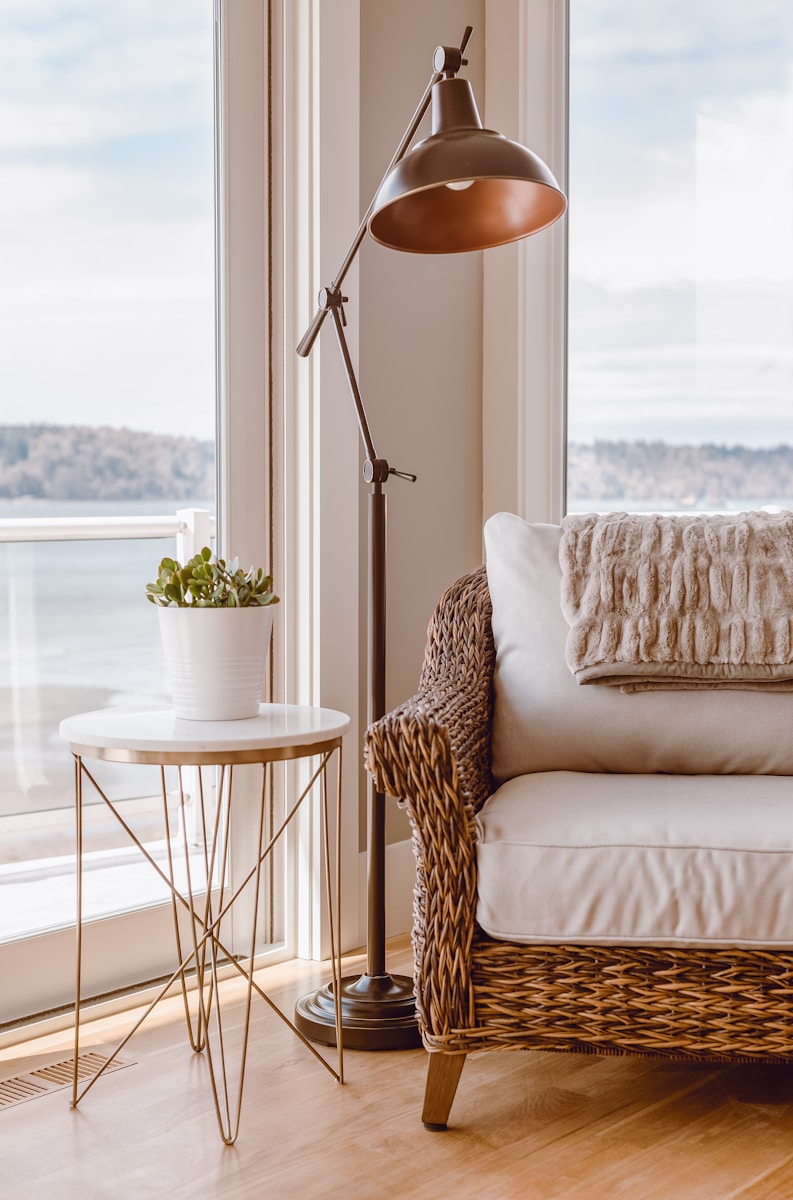

There’s something irresistibly freeing about a home that doesn’t follow strict design rules — where textures mix, colors dance, and every corner feels alive with personality. This is the essence of bohemian style, often affectionately called “boho.” It’s a look that resists convention, celebrates individuality, and above all, creates comfort without sacrificing style. A bohemian home feels curated, not constructed — an ongoing conversation between culture, creativity, and comfort.
In a world where minimalism has dominated interior design trends for years, bohemian style offers a refreshing counterpoint. Instead of clean lines and monochrome palettes, it invites warmth, softness, and stories. The secret isn’t in buying specific furniture or décor pieces; it’s in crafting an atmosphere where every element feels like it’s been discovered rather than designed.
The Bohemian Spirit: Freedom in Form and Feeling
Bohemian style emerged from a mindset rather than a movement. Rooted in the unconventional lifestyles of 19th-century artists, writers, and wanderers, it embodies the idea that homes should reflect lives rich with experience, not perfection. A bohemian home doesn’t apologize for its mix of old and new — it celebrates it.
This spirit of freedom translates beautifully into modern interiors. Unlike styles that rely on symmetry or rigid structure, boho design thrives on contrast and balance through feeling rather than formula. A rattan chair beside a velvet sofa, a Persian rug layered over a jute one, a mismatched collection of pottery — these juxtapositions create the boho charm.
At its heart, the bohemian home is about authenticity. It’s a visual autobiography. Each piece tells a story: a market find from a trip abroad, a thrifted lamp with a history, or a handwoven throw gifted by a friend. The beauty of bohemian interiors lies in how they evolve — slowly, organically, over time.
The Art of Layering: Texture, Pattern, and Color
If minimalism is about restraint, bohemian design is about abundance — but in a thoughtful way. The key to achieving that relaxed yet stylish balance is layering.
Start with texture. A bohemian home engages the senses, so every surface invites touch. Think linen cushions, fringed blankets, macramé wall hangings, and handwoven rugs underfoot. Natural materials like rattan, wood, jute, and clay ground the room, while textiles like velvet and silk add depth and luxury.
Pattern, too, plays a starring role. Geometric prints, tribal motifs, florals, and global-inspired designs mingle without clashing. The secret is to vary the scale — mix large, bold patterns with smaller, more intricate ones so the eye has a rhythm to follow.
Then comes color. Traditional bohemian spaces embrace earthy tones — terracotta, olive, ochre, rust, and cream — accented by jewel hues like turquoise, deep red, or mustard. The result feels warm, inviting, and effortlessly cohesive. For those who prefer a softer look, modern “boho-chic” interiors often lean toward a neutral palette layered with warm whites, beige, and muted greens.
Furniture with Character: The Beauty of the Unmatched
In a bohemian home, furniture isn’t bought as a matching set; it’s collected like memories. A mid-century modern chair might sit beside an antique trunk that doubles as a coffee table. The joy is in the mix — the interplay of different eras and forms.
Vintage and handcrafted pieces bring depth and authenticity. Worn edges, visible wood grain, and handmade imperfections all add character. Unlike mass-produced furniture, these pieces tell stories.
Low-level seating — floor cushions, poufs, and daybeds — often defines the relaxed boho vibe. It encourages lounging and conversation, blurring the line between formal and informal living. The idea is to create spaces that feel lived-in and approachable, where guests feel instantly at home.
Plants: The Soul of the Bohemian Home
No bohemian interior is complete without plants. They bring vitality, movement, and a touch of wildness. From lush ferns and trailing pothos to towering fiddle-leaf figs, greenery breathes life into the layered textures of a boho space.
Plants don’t just serve as decoration; they help establish the natural, grounded atmosphere that defines the style. Hanging planters, terracotta pots, and woven baskets fit seamlessly into the aesthetic. For small spaces, even a few well-placed succulents or dried botanicals can make a difference.
The key is variety — mixing heights, leaf shapes, and pot materials for visual richness. A plant-filled corner with a rattan chair and a patterned rug instantly captures that relaxed bohemian essence.
Lighting the Bohemian Way
Lighting in a bohemian home is all about warmth and intimacy. Forget harsh overhead fixtures; instead, embrace layers of soft, ambient light. String lights draped over a canopy bed, paper lanterns glowing in a corner, or a collection of candles flickering on a side table — each creates a sense of serenity.
Natural light is equally important. Sheer curtains that filter sunlight create a dreamy atmosphere, highlighting the textures and tones of the space. Woven lampshades, Moroccan lanterns, and brass sconces add charm while casting beautifully uneven shadows. The goal is to create a glow that feels more sunset than spotlight — soothing, inviting, and alive.
Art, Accessories, and the Beauty of Imperfection
Bohemian interiors are deeply personal, and nowhere is that more evident than in the art and accessories. Gallery walls filled with travel photos, handmade tapestries, or abstract paintings are common. The theme isn’t uniformity but storytelling.
Handcrafted ceramics, woven baskets, or sculptures bring artisanal character. Layering different cultural influences — Moroccan tiles, Indian block prints, African textiles — gives the room a sense of global richness.
And then, there’s the principle of wabi-sabi, the Japanese appreciation for imperfection and impermanence, which resonates strongly with bohemian sensibility. A chipped vase, a weathered table, or a frayed rug edge isn’t a flaw — it’s a mark of life. These imperfections make a space feel genuine rather than staged.
Creating Flow and Balance
Despite its eclectic nature, a well-designed bohemian home still needs flow. The challenge is to make the space feel spontaneous but not chaotic.
One way to achieve this is through repetition — repeating a few colors or materials throughout the space ties everything together. For instance, if you use brass accents in one area, echo them subtly elsewhere with lamp bases or picture frames. Similarly, recurring earthy tones or wood textures maintain harmony.
Negative space also matters. Give your furniture and objects breathing room so the eye can rest. Bohemian doesn’t mean cluttered; it means curated abundance — where every piece has a reason to exist, even if that reason is purely emotional.
The Modern Boho Evolution
Contemporary interpretations of bohemian style have evolved into distinct sub-styles. Boho-chic, for example, blends the carefree spirit of bohemian design with modern minimalism. White walls, natural light, and subtle color palettes create a calmer, more refined version of traditional boho.
Meanwhile, Scandi-boho merges Scandinavian simplicity with global-inspired accents. Think clean lines paired with woven textures, pale wood, and leafy plants — a balance of coziness and clarity.
These modern versions show that bohemian style isn’t about copying a look but capturing a mood. Whether maximalist or minimalist, the essence remains the same: comfort, creativity, and individuality.
The Emotion of Home
Ultimately, what makes bohemian style so enduring is its emotional truth. A bohemian home feels human. It’s imperfect, evolving, and deeply personal — a reflection of life itself.
In such a home, there’s room for spontaneity. A new textile from a local market might inspire a color palette shift. A vintage mirror might find its place beside a modern bookshelf. Nothing feels too precious or too deliberate; everything contributes to a story that’s still being written.
When you walk into a bohemian space, you don’t just see design — you feel presence. You sense the laughter shared on that couch, the music that’s filled the air, the journeys represented by each artifact. It’s design that connects the heart with the home.