
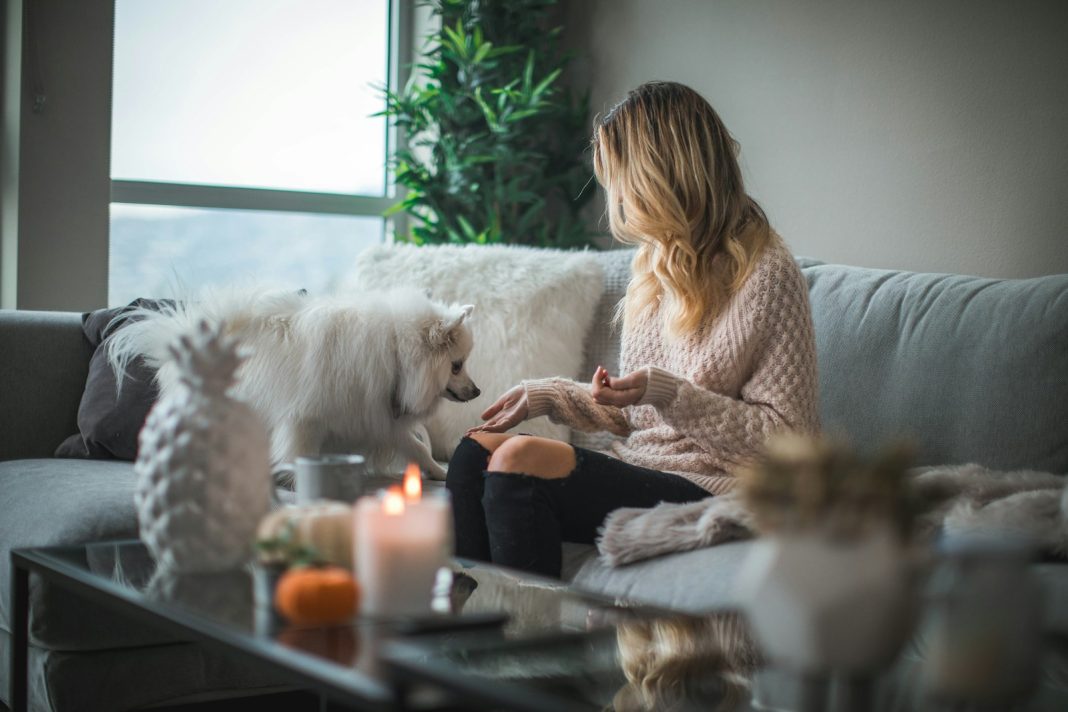

When you walk into a living room, your eyes are often drawn to the largest or most colorful object in the space — a sofa, a wall of art, perhaps a roaring fireplace. But what if the most powerful piece of design isn’t at eye level at all? What if it’s under your feet?
The humble rug has quietly evolved from a mere floor covering into one of the most expressive elements of interior design. No longer just a background layer, today’s rugs have become statement pieces — capable of transforming mood, defining space, and tying together even the most eclectic furniture collection. Whether your living room is minimalist or maximalist, rustic or modern, the right statement rug can make it feel intentional, inviting, and unforgettable.
Let’s explore how five types of statement rugs can completely reshape the energy of your living room — and how each one tells a different story through texture, color, and form.
- The Bold Geometric: When Patterns Command the Room
A geometric rug isn’t just a pattern; it’s architecture for the floor. Sharp lines and structured shapes bring a sense of rhythm and movement, acting as a visual anchor that organizes the space.
Picture a neutral living room — cream walls, oak floors, maybe a soft gray sofa. Now, place a rug beneath the coffee table in bold black and white diamonds or intersecting gold and navy triangles. Suddenly, the room feels alive. The geometry brings a sense of modernity and confidence, adding visual depth without requiring a single new piece of furniture.
Geometric statement rugs work best when they have room to breathe. Pair them with simple furniture silhouettes and muted colors. A patterned rug already speaks loudly — the rest of your decor can whisper.
- The Vintage Persian: History at Your Feet
Few objects can add soul to a room quite like a Persian or Oriental rug. The intricate details, the handwoven craftsmanship, the slightly faded reds and blues — these rugs don’t just decorate a space; they enrich it.
When placed in a modern or minimalist living room, a vintage rug bridges eras beautifully. It softens sleek metal finishes and balances stark lines with its organic imperfections. The tiny variations in color tell a story of time and tradition — of artisans who wove them knot by knot, decades or even centuries ago.
A Persian rug also has a remarkable ability to make a space feel grounded. In homes filled with newness — from polished wood floors to LED-lit shelves — that touch of the past brings warmth and authenticity. And unlike many trends that fade, a well-made Persian rug only grows more beautiful with age.
- The Natural Fiber: Texture as a Statement
If color and pattern aren’t your language, texture might be. Rugs made from natural fibers — think jute, sisal, hemp, or wool — add an earthy elegance that appeals to both the eye and the senses. Their woven surfaces catch the light in subtle ways, giving depth to otherwise flat spaces.
A chunky wool rug, for example, introduces softness and warmth to a concrete-floored loft. A braided jute rug brings coastal calm to a sunlit living room. These pieces thrive in spaces that emphasize organic materials and neutral palettes, creating a dialogue between nature and design.
The magic of a textured rug is that it doesn’t need color to stand out. Its tactile presence alone can redefine comfort. You’ll find yourself walking barefoot more often, simply because it feels that good.
- The Abstract Art Rug: A Canvas You Can Walk On
Imagine if you could hang an abstract painting on the floor. That’s exactly what modern designers have done with the art-inspired rug trend. These rugs blur the line between décor and fine art, featuring brushstroke-like patterns, watercolor gradients, or expressive splashes of pigment that seem almost accidental.
An abstract rug works especially well in minimalist living rooms where the furniture is simple and the walls are bare. It injects creativity into the space, giving the impression of spontaneity — as if the room belongs to someone with an artist’s soul.
The trick with abstract rugs is balance. Let them shine as the centerpiece, and avoid competing patterns. Pair them with clean-lined furniture in solid colors and let the rug’s artistry define the mood. Each time you look down, you’ll notice something new — a detail that feels alive, as though painted just for you.
- The Oversized Statement: When Scale Tells the Story
Sometimes, it’s not the pattern or texture that makes a rug a statement — it’s the sheer scale of it. Large, room-spanning rugs can completely reshape how a space feels. They pull furniture together into a cohesive whole, eliminate the visual clutter of multiple small rugs, and make rooms feel expansive and intentional.
A generous rug that extends beyond the edges of your sofa and armchairs can make the living room feel larger, calmer, and more luxurious. It’s the difference between a room that feels “arranged” and one that feels designed.
To make scale work for you, consider layering. A thin, oversized rug in a solid neutral tone can serve as a foundation, while a smaller, patterned accent rug sits on top — adding personality without sacrificing cohesion.
Design Psychology: Why Rugs Change Everything
A rug does more than fill empty floor space. It creates zones, defines traffic flow, absorbs sound, and even affects how people interact in a room. Psychologically, it makes a space feel complete — a subtle cue that says, this is where the conversation happens.
Rugs also influence how we perceive temperature and comfort. A fluffy or high-pile rug can make even a minimalist living room feel cozy and intimate, while a flat-weave rug evokes openness and simplicity. Colors play a role too: cool blues and greens calm the mind, while reds and oranges energize the space.
In short, the right rug doesn’t just transform your living room — it transforms how you feel in it.
Choosing Your Statement Piece
Selecting a rug should be an emotional decision as much as a practical one. Start by thinking about the atmosphere you want to create. Do you want serenity or boldness? Tradition or experimentation? Then, consider scale and placement — a rug that’s too small can make even the best design feel awkward.
Lighting also changes how a rug looks throughout the day. A deep burgundy that feels rich under warm evening lights might look entirely different in morning sunlight. Whenever possible, test samples in your space before committing.
Finally, don’t underestimate maintenance. A luxurious silk rug may look heavenly, but if you have kids or pets, a durable wool or synthetic blend will let you enjoy beauty without anxiety.
The Power of One Change
It’s easy to think of home transformation as a major project — repainting walls, buying furniture, or remodeling. But sometimes, all it takes is a single well-chosen rug.
A bold geometric rug can modernize a tired space overnight. A vintage Persian can give character to a blank canvas of a room. A textured jute rug can transform echoes into warmth. The point isn’t to follow trends but to find the piece that resonates with your home’s personality — and yours.
A statement rug is more than a floor accessory; it’s the silent storyteller of your space. It invites people in, sets the tone, and makes your living room truly yours.
Final Thought
If home is where the heart is, then the rug is where that heart beats. It’s the first thing your feet touch in the morning and the last thing your guests see before they leave. It grounds us — literally and emotionally — reminding us that great design starts from the ground up.
So, whether you choose a vivid geometric, a timeless Persian, or a textured natural weave, let your rug speak for your space. Because sometimes, transformation doesn’t come from what’s new — but from what’s underfoot.