
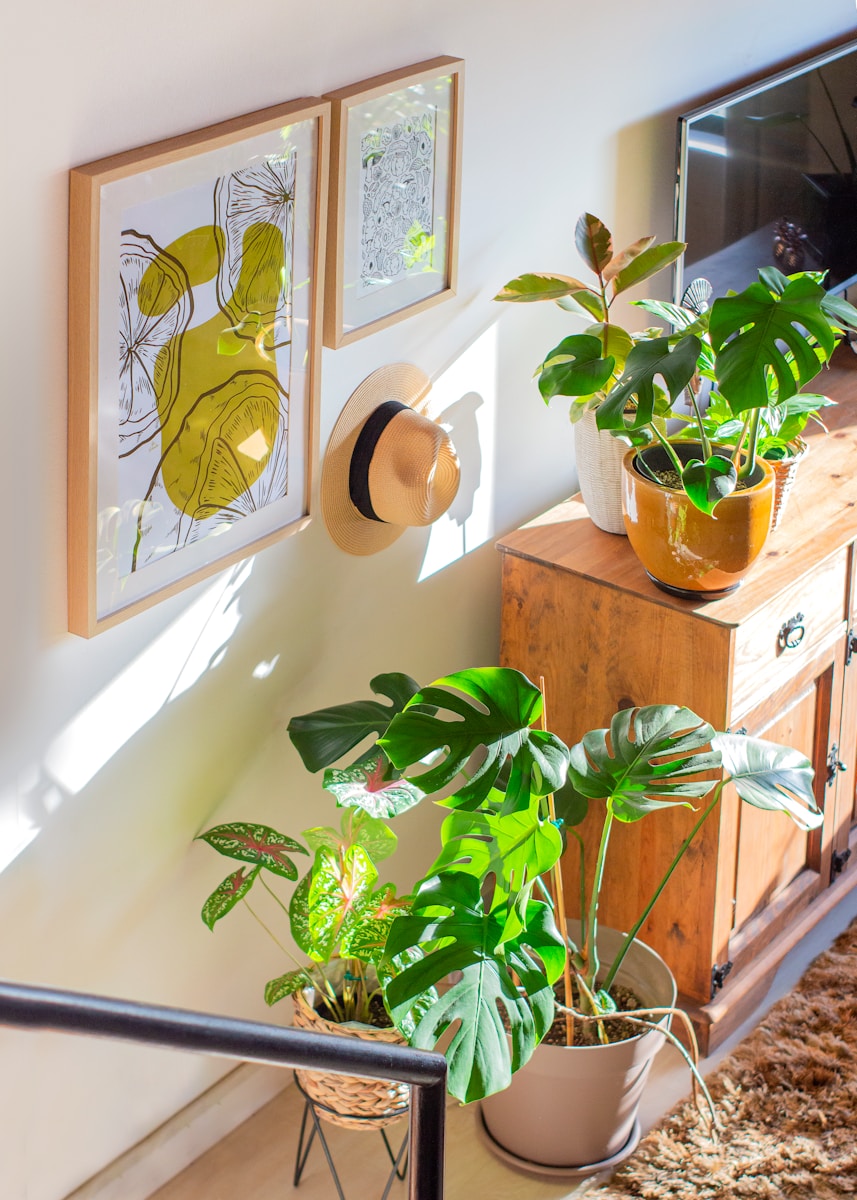

Design trends may come and go, but certain styles have a way of enduring—capturing something universal about how people want to live. Scandinavian and modern design are two of those enduring styles. Both prize simplicity, function, and beauty, yet they express those ideals in different tones. Scandinavian interiors feel like a breath of crisp northern air: cozy, organic, and full of light. Modern interiors, on the other hand, are sleek, structured, and confidently minimal. When you blend the two, you get a space that feels both fresh and comforting—clean lines softened by warmth, simplicity made human.
Finding the right balance between these aesthetics requires more than mixing furniture pieces; it’s about creating a dialogue between warmth and clarity, between hygge and high design. Here’s how to bring the best of both worlds into your living space—and make it feel like your own.
- Understanding the Heart of Each Style
Before mixing, it’s essential to understand what defines Scandinavian and modern decor individually. Scandinavian design—rooted in the cold, light-starved winters of Northern Europe—was born out of necessity. It focuses on creating bright, airy spaces that feel warm and livable. Pale wood, soft textiles, neutral palettes, and a deep respect for craftsmanship characterize the style. The concept of hygge (coziness and comfort) runs through everything, from the flicker of a candle to the tactile feel of a wool throw.
Modern design, meanwhile, emerged from early 20th-century ideas about progress and functionality. Think of it as Scandinavian’s more architectural cousin: geometric shapes, clean lines, open spaces, and industrial materials like steel, glass, and concrete. Where Scandinavian design whispers, modern design speaks in crisp, confident sentences.
The beauty of combining the two lies in their shared values—simplicity, function, and restraint—balanced by their differences. Scandinavian style humanizes modernism’s edge; modern design gives Scandinavian coziness structure and sophistication.
- Start with a Light, Neutral Foundation
Color sets the emotional tone of a space, and when blending these two styles, light is your best friend. Scandinavian interiors are famously bright, reflecting the Nordic appreciation for natural light. White or soft gray walls create the ideal backdrop for both Scandinavian and modern elements to shine.
Start with a neutral base: crisp white walls, pale oak flooring, and understated window treatments. This neutral palette provides breathing room for bolder modern accents—like a black-framed coffee table or a sculptural lamp—to make their mark without feeling harsh.
Don’t shy away from warmth, though. Scandinavian design thrives on subtle undertones—creamy whites, warm beiges, and muted grays that invite calm. The trick is to keep the palette cohesive and restrained. When you introduce color, do so sparingly: a soft sage, a dusty rose, or a muted navy can serve as understated highlights against your neutral foundation.
- Choose Furniture with Honesty and Purpose
Both Scandinavian and modern design celebrate craftsmanship and purpose-driven form. Every piece of furniture should feel intentional.
Scandinavian furniture tends to be organic and inviting, often made from light woods like birch or ash with rounded edges and soft curves. Modern pieces, on the other hand, emphasize geometry and structure—think angular silhouettes, metal legs, or glass tops. When combined, they create a conversation between softness and strength.
For instance, a sleek modern sofa upholstered in linen can pair beautifully with a Scandinavian oak coffee table. A mid-century modern armchair in leather can sit gracefully beside a woven wool pouf. The goal is not to make them match, but to let their contrasts complement one another.
Opt for fewer pieces of higher quality. This restraint not only embodies both styles but also keeps your space open, breathable, and visually calm.
- Layer in Natural Textures
The risk of modern interiors is that they can feel cold or impersonal. That’s where Scandinavian warmth saves the day. Introduce natural materials and cozy textures that soften the sleekness of modern lines.
Wool, linen, sheepskin, and cotton textiles bring depth and tactility to minimalist spaces. A chunky knit blanket draped over a structured sofa, or a jute rug under a glass coffee table, immediately balances formality with comfort.
Wood plays a starring role here. Scandinavian design celebrates its natural grain and light finish, while modern design often favors darker tones or lacquered surfaces. Mixing the two—say, pairing a pale oak table with dark walnut chairs—adds richness and visual rhythm.
Plants are another Scandinavian essential. A few well-placed green accents—a fiddle-leaf fig in a ceramic pot or eucalyptus stems in a clear vase—breathe life into clean-lined spaces.
- Let Light Guide the Mood
Lighting is central to both Scandinavian and modern aesthetics, though for different reasons. In the Nordic tradition, lighting is about warmth and atmosphere. Modern design treats it as sculpture—an opportunity to highlight form and geometry.
Blending the two means layering your lighting sources. Combine soft, diffused lamps with sculptural fixtures. For example, hang a modern pendant light with a black metal finish above a pale wooden dining table, then add a few Scandinavian-style table lamps with linen shades around the room.
Candles, though simple, are indispensable. Their flickering glow instantly evokes that sense of coziness that defines Scandinavian living. It’s the human element that brings balance to the precision of modern design.
- Keep the Space Open but Human
Both styles prize open, uncluttered layouts—but open doesn’t mean empty. Scandinavian spaces feel lived in; they invite you to curl up with a blanket and a book. Modern spaces, by contrast, can sometimes prioritize form over comfort.
The trick is to maintain openness while adding touches of humanity. Instead of filling every corner, create intentional “breathing zones.” A reading nook with a comfortable armchair, a wool rug, and a small side table offers an intimate retreat within an otherwise minimalist room.
Use storage cleverly to keep clutter out of sight. Built-in shelving or minimalist cabinets keep the look streamlined, allowing your carefully chosen pieces to take center stage.
- Blend Old and New Gracefully
Though modern design tends to celebrate the contemporary, Scandinavian decor embraces history through craftsmanship and heirloom pieces. Don’t be afraid to mix them.
A modern console can hold a hand-thrown ceramic vase. A sleek sideboard can display a vintage framed print or an antique clock. The contrast between eras creates depth and personality.
The guiding principle here is authenticity—choose pieces that feel meaningful rather than merely decorative. Scandinavian design, at its core, values honesty: materials that look and feel real, and objects that serve a purpose.
- Mind the Details: Minimalism with Warmth
Small details make the biggest difference when combining these styles. Scandinavian and modern spaces share a minimalist ethos, but Scandinavian design always softens the edges with warmth and personality.
Artworks should follow suit. Choose pieces that are abstract or nature-inspired, using simple shapes and muted tones. Avoid overcrowding walls; one large, striking piece often speaks louder than many smaller ones.
Textiles, too, offer a chance to layer in comfort without losing clarity. Neutral-toned throws, textured cushions, and wool rugs can make even the sleekest modern sofa feel welcoming.
Finally, let imperfection live in the space. A handmade ceramic bowl, a slightly uneven wooden stool, or a worn leather armchair brings soul to modern precision.
- The Emotional Impact: Calm, Order, and Warmth
Blending Scandinavian and modern design is not just about aesthetics—it’s about how a space makes you feel.
Modern design brings order and clarity to a world that’s often chaotic. Scandinavian design brings warmth, humanity, and calm. Together, they create a space that feels grounded yet free, structured yet nurturing.
When you walk into such a room, you feel it instantly: the air seems lighter, the light softer, and the atmosphere quietly restorative. It’s the kind of space that invites both focus and rest—a balance that few design approaches achieve so gracefully.
- A Home That Breathes Timelessness
When Scandinavian and modern styles meet, they don’t cancel each other out—they elevate one another. The minimalism of modern design finds heart; the coziness of Scandinavian style finds discipline.
The result is a home that feels timeless, serene, and effortlessly elegant. It’s not about trend or perfection but about creating harmony—between light and shadow, between comfort and clarity, between the human and the architectural.
In the end, a well-blended Scandinavian-modern space feels like an exhale: calm, balanced, and deeply livable. It’s the kind of design that doesn’t just look good—it feels right.