
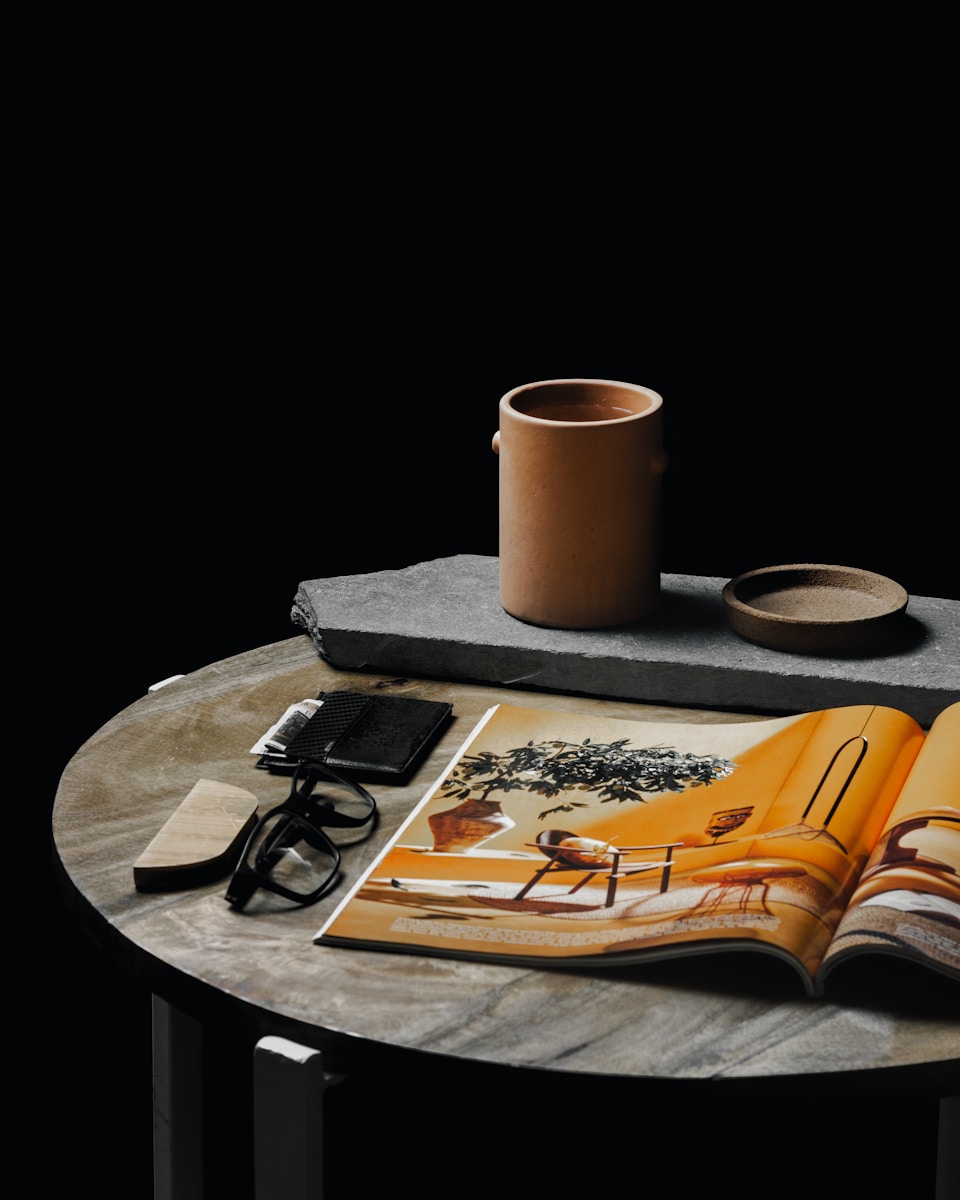

Step into a Scandinavian home, and you’ll immediately sense something different — a quiet confidence, a gentle light, a feeling that everything has its place and purpose. There’s no clutter to hide behind, no unnecessary flourish competing for attention. Yet, despite its simplicity, the space doesn’t feel cold or minimal to the point of sterility. It feels alive — soft, grounded, and deeply human.
That delicate balance between simplicity and warmth lies at the heart of Scandinavian style. It’s not merely an aesthetic; it’s a philosophy — one born out of a culture shaped by long winters, limited daylight, and a profound respect for nature. Over the decades, this Northern design ethos has evolved into a global design movement, celebrated for its ability to make everyday life feel beautiful and meaningful.
But what are the secrets behind this quietly transformative style? And why does it continue to resonate so deeply across cultures and generations? Let’s uncover how the Scandinavian approach brings together restraint and comfort, minimalism and emotion — simplicity that never sacrifices soul.
- The Power of Light: Designing with Nature in Mind
In Nordic countries, daylight is precious. Winters are long and dark, and the sun makes only brief appearances. This scarcity of natural light profoundly shapes how Scandinavians design their homes.
White walls, pale woods, and reflective surfaces aren’t just aesthetic choices — they’re practical ones. They bounce light around a space, amplifying brightness and creating an illusion of openness. Soft, diffused lighting fills in the gaps, from paper lanterns to candlelight flickering in the evening.
Yet this relationship with light goes beyond function. It’s about emotion. Scandinavian design seeks to capture the fleeting beauty of sunlight — the way it lands on linen curtains or dances across a wooden floor. Light becomes an element of comfort, a quiet companion that softens the edges of modern living.
In a world that’s often fast, harsh, and artificial, this reverence for natural illumination reminds us to slow down and notice the small wonders of the everyday.
- Minimalism with a Heart: Function Meets Emotion
Minimalism, as often practiced elsewhere, can sometimes feel austere — all clean lines and empty surfaces. But Scandinavian minimalism tells a different story. It’s not about having less for the sake of less; it’s about making space for what truly matters.
Every item in a Scandinavian home serves a purpose — often more than one. A simple wooden bench might double as a table, storage space, or a place to pause with a cup of tea. But these objects aren’t purely utilitarian. They carry a quiet beauty, achieved through craftsmanship and attention to detail.
The philosophy behind this is known as “lagom”, a Swedish word that roughly translates to “just the right amount.” It’s the art of balance — not too much, not too little. In design, this means choosing furniture and décor that bring comfort and meaning, without overwhelming the senses.
A Scandinavian living room, for example, might feature a neutral palette of whites and grays, but it’s far from sterile. A textured throw, a ceramic vase, or a worn leather chair adds soul to the space. Every element feels intentional — not to impress, but to belong.
- Natural Materials: Bringing the Outdoors In
To understand Scandinavian style, you must understand its landscape. The Nordic region is defined by forests, fjords, and wide-open skies — and its design language mirrors that raw natural beauty.
Wood, wool, linen, and leather dominate interiors. These materials not only bring tactile warmth but also forge a deep connection to nature. A pine dining table carries the story of the forest it came from. A wool rug offers softness reminiscent of the countryside. Even imperfections — knots in wood, irregular grain patterns — are celebrated as part of the design’s authenticity.
This harmony between interior and environment fosters calm. When your home reflects the natural world outside your window, it feels less like a place to hide and more like a continuation of the landscape. It becomes a retreat that restores rather than isolates.
- Hygge: The Secret Ingredient of Warmth
No conversation about Scandinavian design would be complete without mentioning “hygge” — a Danish concept that has captured imaginations worldwide. Though difficult to translate directly, hygge embodies a sense of cozy togetherness and contentment found in life’s simplest moments.
It’s that feeling of curling up under a blanket with a good book, sipping hot coffee as snow falls outside, or gathering with friends by candlelight. Hygge transforms physical spaces into emotional sanctuaries.
In design terms, hygge means layering textures, choosing warm lighting, and creating intimate corners that invite you to pause and breathe. A room filled with hygge isn’t about perfection — it’s about presence. It’s a space that embraces imperfection, softness, and connection.
The deeper secret of Scandinavian warmth lies here: the recognition that beauty is meaningless without comfort. A truly beautiful space is one you want to live in.
- Craftsmanship and Longevity: The Ethics of Simplicity
The Scandinavian aesthetic also stems from a deep respect for craftsmanship and sustainability. In a region where resources have historically been limited, people learned to value durability and quality over excess.
This principle continues today in modern Scandinavian design, where sustainability isn’t a trend — it’s tradition. Furniture is built to last, using responsibly sourced wood and eco-conscious materials. Classic designs, like Alvar Aalto’s curved stools or Arne Jacobsen’s chairs, remain iconic not because they’re flashy, but because they’re timeless.
Owning fewer, better things isn’t about deprivation; it’s about intentional living. Each piece carries meaning, and that meaning grows richer with time. This mindful approach to consumption stands in quiet defiance of disposable culture. It’s a gentle reminder that simplicity, at its core, is an act of respect — for the object, the maker, and the planet.
- The Human Touch: Imperfection as Beauty
What truly differentiates Scandinavian spaces from stark minimalism is the embrace of imperfection. Life leaves traces — a coffee ring on a table, a frayed edge of a blanket, the uneven grain of hand-thrown pottery. Instead of hiding these details, Scandinavian design celebrates them.
This sensibility is rooted in the Japanese concept of wabi-sabi, which shares philosophical kinship with the Nordic view of beauty. Both honor authenticity over polish and sincerity over symmetry.
By allowing homes to evolve naturally — to show signs of life and history — Scandinavians remind us that design isn’t about control; it’s about harmony. A lived-in space, after all, is a loved space.
- The Emotional Landscape of Simplicity
Perhaps the most profound secret of Scandinavian style is that it’s not merely visual — it’s emotional. It speaks to the human need for balance, peace, and belonging.
In a cluttered, overstimulated world, Scandinavian design offers an antidote: spaces that breathe. Its simplicity allows the mind to rest. Its warmth invites connection. Its honesty encourages mindfulness.
The result is not just a beautiful home, but a better life — one where comfort, clarity, and care coexist.
When you sit on a simple oak chair, wrapped in a wool throw, watching daylight fade over a pale wooden floor, you understand that this style was never about furniture. It was about feeling — about crafting a home that reflects who you are at your calmest and most genuine.