
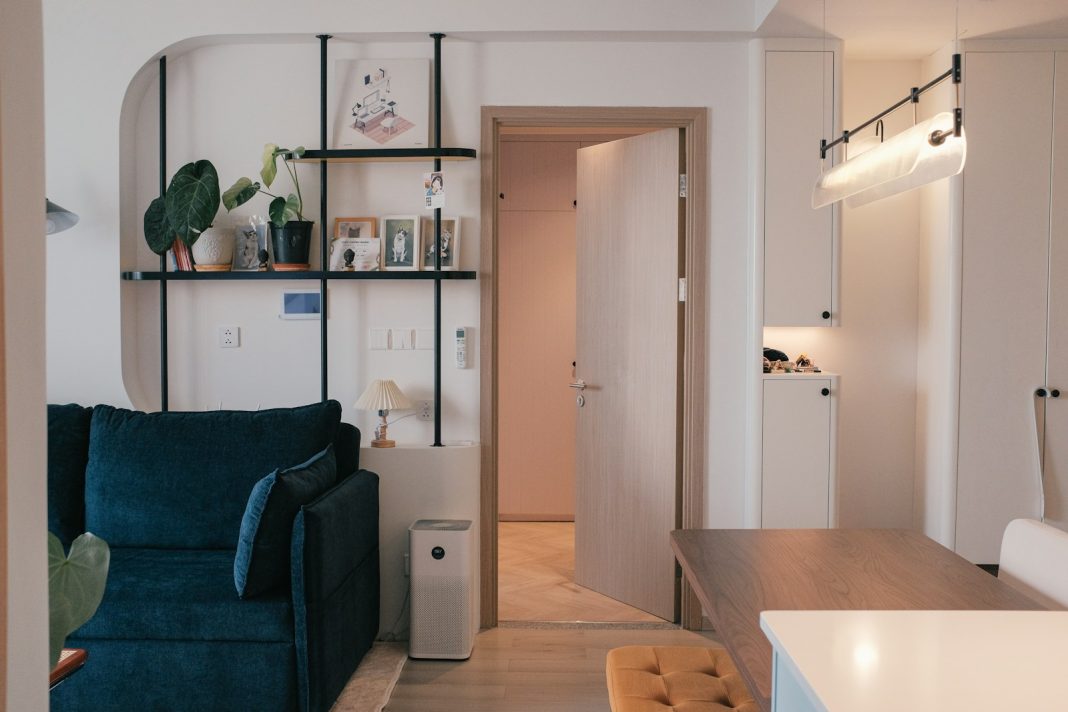

In the modern home, space has become a luxury — one that many people are learning to stretch with creativity, rather than square footage. As cities grow denser and apartments smaller, our relationship with furniture has evolved beyond aesthetics and comfort. Today, pieces are expected to multitask just like their owners do. A coffee table might hold more than mugs and magazines; a bed might store an entire wardrobe underneath. This new generation of storage-savvy furniture doesn’t just organize clutter — it redefines the way we live, blending function and beauty in ways that make even the smallest home feel expansive.
The best storage furniture isn’t just practical; it tells a story about how modern people value efficiency, sustainability, and thoughtful design. It represents a quiet revolution in how we think about home — not as a static collection of objects, but as a living system that adapts to our daily rhythms.
A Brief History of Dual-Purpose Design
The idea of furniture that hides storage isn’t new. Centuries ago, homes were built with far fewer rooms, so furniture had to serve multiple purposes out of necessity. In medieval Europe, wooden chests acted as seats, tables, and secure storage for clothing or valuables. The Japanese tansu chest — a masterpiece of compact craftsmanship — evolved during the Edo period as a way to store household goods in limited living quarters.
What’s changed today is the motivation. While our ancestors used multi-use furniture out of practical need, modern consumers are drawn to it by choice and lifestyle. Urban apartments, minimalist living, and even the popularity of tiny homes have made “smart furniture” more than a trend — it’s a philosophy. Homeowners are now seeking ways to live better with less, choosing furniture that helps them express their personal style while keeping their space organized and breathable.
The Marriage of Form and Function
Designers today face a delicate challenge: how to merge utility with beauty. Storage furniture must be discreet, adaptable, and aesthetically pleasing. A piece should serve its purpose without shouting about it.
Take the modern ottoman — once a simple footrest, now a stylish storage hub. With a lift-up lid or hidden compartment, it can hold blankets, toys, or even spare pillows. Yet from the outside, it looks perfectly sleek, blending into any décor. Similarly, a platform bed with built-in drawers turns wasted space into a secret wardrobe.
In these designs, functionality becomes invisible. The success of storage furniture lies in its subtlety — in how naturally it integrates into a space. The goal isn’t to hide possessions for the sake of it, but to create a sense of calm and order, where everything has its place without sacrificing warmth or personality.
The Psychology of Organized Living
A tidy space often translates to a clearer mind. There’s a growing body of research suggesting that clutter contributes to stress and mental fatigue. Furniture that doubles as storage offers a quiet form of emotional support — it creates breathing room, both literally and mentally.
When the eye meets a well-organized room, it experiences rest. A storage bench under the window keeps shoes and coats out of sight; a coffee table with drawers conceals remote controls and wires. These aren’t just conveniences — they’re design strategies that promote peace.
In the age of constant digital noise, our homes have become sanctuaries where simplicity and comfort are essential. Multi-purpose furniture serves this emotional need by keeping our spaces serene while still allowing for life’s beautiful messiness. It’s about designing for calm, not control.
Clever Solutions for Every Room
Each room in the home tells a different story of space, function, and personality — and smart storage furniture adapts to each one.
Living Room: Where Style Meets Subtlety
The living room often sets the tone for a home, balancing sociability with relaxation. Here, multi-functional furniture shines.
Storage coffee tables with lift-up tops can hold books, remotes, or even board games.
Side tables with shelves or hidden drawers keep small clutter out of sight.
Convertible sofas with built-in storage underneath are perfect for extra bedding or seasonal décor.
In this setting, furniture should feel effortless — as if organization happens naturally. A well-chosen piece allows guests to enjoy the room’s design without realizing how much it’s quietly concealing.
Bedroom: Sanctuary and Storage Haven
The bedroom’s calm depends heavily on order. Beds with under-frame drawers or hydraulic lift systems make use of what is otherwise wasted real estate. Headboards, once purely decorative, now come with built-in shelves or discreet compartments for books, glasses, or personal keepsakes.
Nightstands can also multitask — some feature sliding tops that reveal hidden charging stations or velvet-lined drawers. In small spaces, even a trunk at the foot of the bed can be both a decorative accent and a practical solution for storing linens.
Kitchen and Dining: Function in Motion
In the kitchen, storage is survival. Here, furniture innovation shines brightest. Expandable dining tables with built-in shelving or bench seating with hidden compartments keep the space adaptable and efficient.
A kitchen island might contain pull-out drawers for utensils or even a slide-out trash bin. These thoughtful designs transform small kitchens into organized, high-functioning workspaces — proving that even the busiest rooms can maintain grace and order.
Entryway: First Impressions with Purpose
The entryway is where clutter tends to accumulate — shoes, keys, bags, coats. Furniture that doubles as storage makes this area both functional and welcoming. A storage bench offers a place to sit while hiding everyday chaos. Wall-mounted hooks with shelves or mirrored cabinets maximize vertical space, keeping the floor open and the atmosphere light.
When storage furniture is used thoughtfully, even the smallest foyer can feel like a designed, intentional part of the home.
Sustainability and Smart Design
Another advantage of multi-functional furniture lies in sustainability. By combining uses, we reduce the number of items we need to buy — and, by extension, the materials used to produce them. This aligns perfectly with modern eco-conscious living.
Manufacturers are responding with modular and customizable designs that adapt over time. A bookshelf might later convert into a desk, or a sofa could transform into a guest bed. This adaptability reduces waste and encourages long-term ownership. In a throwaway culture, such design thinking feels almost radical — choosing longevity over novelty, purpose over impulse.
Moreover, well-designed storage furniture often incorporates eco-friendly materials like bamboo, reclaimed wood, or recycled metal. Sustainability is no longer an afterthought; it’s becoming a core value in the intersection of function, ethics, and style.
Balancing Aesthetics and Personality
While practicality is key, storage furniture also gives homeowners a chance to express personality. The beauty of today’s designs lies in their diversity — sleek Scandinavian minimalism, rustic farmhouse charm, industrial edge, or bold maximalist flair.
A minimalist home might feature a white lacquer storage unit that blends seamlessly into the wall, while a bohemian space could use woven baskets tucked beneath open shelving. The idea is to integrate storage with character, not hide it completely. After all, the most memorable homes tell stories — of how people live, not just how they organize.
The Future of Living Spaces
As technology and design continue to evolve, the next generation of storage furniture will likely become even smarter. Imagine ottomans that wirelessly charge your devices, beds that monitor air quality, or modular shelves that reconfigure themselves to fit changing needs.
But beneath all the innovation, the heart of the idea remains timeless: we crave spaces that feel both beautiful and livable. Whether it’s a cleverly hidden drawer or a statement piece that conceals clutter, the goal is to design homes that support the rhythm of real life — spaces that are not just seen, but felt.