
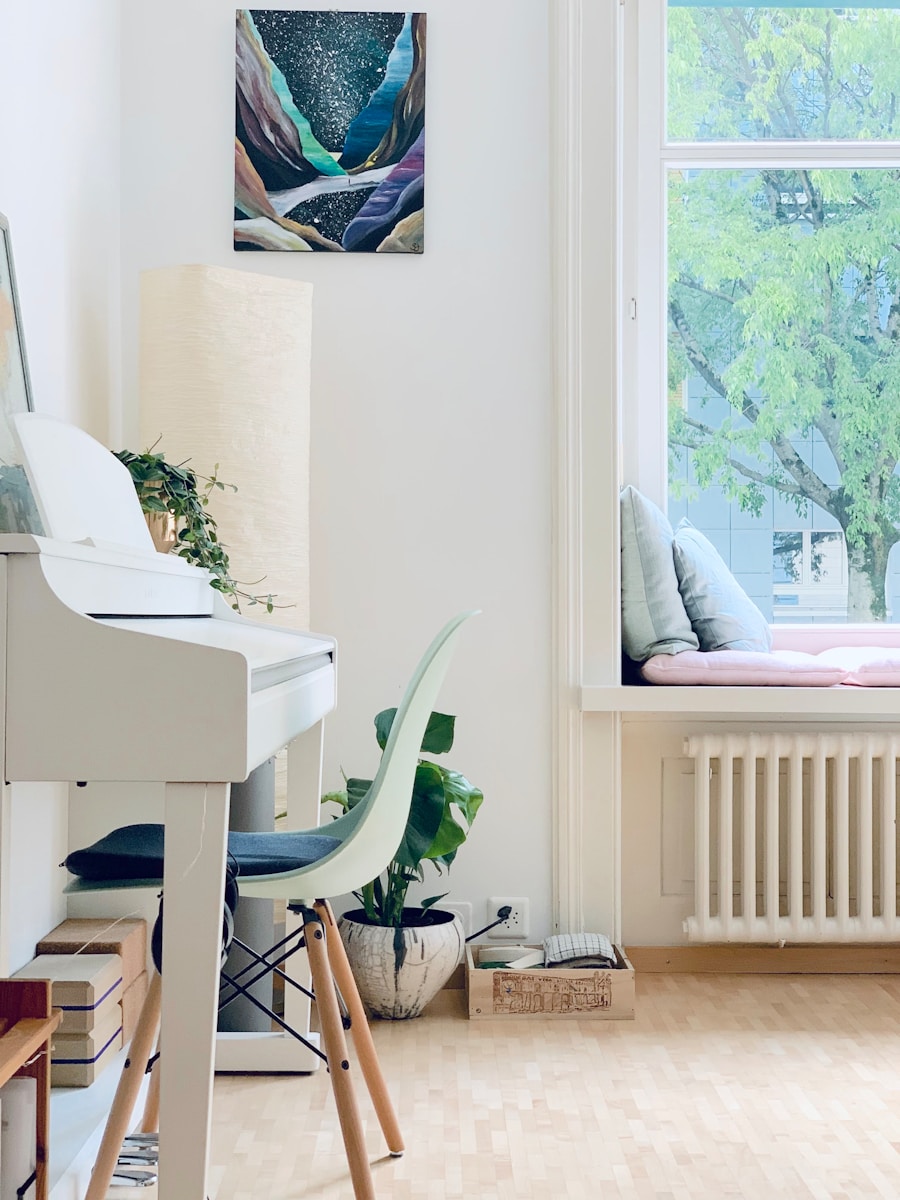

There’s something deeply satisfying about stepping into a room that feels open, airy, and inviting. But what if your space is small—really small—and those feelings seem out of reach? Many people believe that making a small room feel larger requires major renovations or an impossible budget. The truth, however, is that space is as much about perception as it is about square footage. Through smart design choices, thoughtful organization, and a few visual tricks, you can transform even the tiniest room into a place that feels spacious, balanced, and full of light.
This essay explores the art of making a small room feel bigger instantly—without knocking down walls or hiring an architect. It’s about understanding how light, color, proportion, and arrangement work together to create harmony in limited space.
- The Power of Light and Reflection
Lighting is one of the most powerful tools in interior design, especially when you’re working with limited space. Small rooms tend to feel smaller when they’re dim or unevenly lit. The goal is to create layers of light that eliminate dark corners and give the illusion of depth.
Natural light should always be your first priority. If you’re lucky enough to have a window, make it the star of the room. Avoid heavy drapes or dark curtains that block light. Instead, opt for sheer fabrics that let sunlight filter through, creating a soft and expansive glow. The brighter the room, the larger it feels.
Mirrors are another timeless trick. They reflect both natural and artificial light, amplifying brightness and visually expanding the room. A large mirror placed opposite a window can double the perception of space, while smaller decorative mirrors add sparkle and texture. Even glossy surfaces—like a glass coffee table or metallic décor—help bounce light around and open up the room.
When natural light is limited, artificial lighting steps in. Combine different types: ambient lighting from ceiling fixtures, task lighting for reading or working, and accent lighting to highlight artwork or corners. A mix of warm and cool tones keeps the room balanced and avoids a flat, one-dimensional look.
- Color: The Illusion of Space Through Tone
Color influences not only our emotions but also our sense of scale. Light, cool colors—like soft whites, pale grays, and muted blues—naturally recede, making walls appear farther apart. Dark colors, on the other hand, tend to absorb light and bring walls visually closer. This doesn’t mean you should avoid bold hues altogether, but in small rooms, they’re best used sparingly.
Painting walls and ceilings the same light color can blur boundaries and create an unbroken flow, giving the illusion of height and openness. If you love contrast, try keeping the main surfaces neutral and introducing color through accessories—throw pillows, rugs, or artwork. These can add personality without shrinking the space.
Don’t forget about finishes. Matte paints create a calm, sophisticated look, while satin or eggshell finishes subtly reflect light and make walls appear smoother. Even the color temperature of your lighting can affect how spacious the room feels—a cool white light enhances brightness, while overly warm tones can make it feel smaller.
- Decluttering: The Simplest Way to Gain Space
It’s almost impossible for a small room to feel big when it’s filled with clutter. The more objects that compete for attention, the more confined the space feels. Decluttering isn’t just about throwing things away; it’s about being intentional with what you choose to display and how you store it.
Start with a simple rule: if it doesn’t serve a purpose or bring you joy, it doesn’t belong. Once you’ve cleared the excess, focus on smart storage solutions. Floating shelves keep the floor clear and draw the eye upward, while furniture with hidden storage—like ottomans or beds with drawers—helps maintain order.
Avoid overcrowding surfaces with too many decorative items. Instead, display a few meaningful pieces that complement each other in color or theme. The empty space around them gives each object breathing room and makes the overall area feel more spacious.
Minimalism doesn’t mean sterile or cold—it’s about curating thoughtfully. A small room that’s neat, well-organized, and balanced will always feel larger than a cluttered one.
- Furniture: Scale, Proportion, and Placement
Furniture selection can make or break a small room. Many people make the mistake of filling a compact space with tiny furniture, assuming it will make the room feel bigger. In reality, too many small pieces can make a space look busy and disjointed. Instead, choose fewer, larger pieces that fit the scale of the room and serve multiple purposes.
A sofa with exposed legs, for example, allows light to pass underneath and creates a sense of openness. Glass or acrylic tables are visually light and don’t interrupt the eye line. In the bedroom, a bed with built-in drawers can replace a bulky dresser. Multi-functional pieces—like a fold-out desk or a nesting table—maximize utility while minimizing clutter.
Placement matters just as much as size. Pull furniture slightly away from the walls rather than pressing it tightly against them. This small gap creates an illusion of depth and makes the room appear wider. Arrange furniture in a way that encourages movement and maintains clear sightlines—nothing should block your view of the floor or windows.
- Patterns, Textures, and Visual Flow
Even in small spaces, texture and pattern can bring warmth and character—but they need to be used wisely. Large, bold patterns can overwhelm, while smaller, subtle ones can add interest without crowding the room. Stripes, especially vertical or horizontal ones, can trick the eye into perceiving more height or width.
Mixing textures—like pairing a soft throw with a smooth wooden table—adds depth without visual clutter. However, it’s best to keep the overall color palette cohesive. Too many contrasting patterns or materials can fragment the space.
Rugs can define areas and anchor furniture, especially in open-concept homes or studio apartments. Choose a rug that’s large enough for at least the front legs of your furniture to rest on—it makes the room feel unified rather than chopped up into sections.
- Creating Vertical Emphasis
When you can’t expand horizontally, go vertical. Drawing the eye upward can make a small room feel much taller. Floor-to-ceiling curtains are a simple and elegant way to achieve this effect—they create the illusion of higher ceilings and add a touch of drama.
Tall bookshelves, wall-mounted plants, and vertical artwork also contribute to a sense of height. Even something as simple as painting vertical stripes or installing vertical paneling can elongate the walls visually.
Lighting fixtures like pendant lamps or tall floor lamps further emphasize the vertical dimension, creating balance and proportion in tight spaces.
- The Psychology of Space: Simplicity and Calm
Ultimately, making a small room feel bigger is as much about psychology as design. Our minds interpret space based on clarity, light, and order. A room that feels calm and uncluttered instantly seems larger because it gives the eyes room to rest.
Simplicity doesn’t mean boring. It means harmony—a balance between what’s necessary and what’s beautiful. Even in the smallest studio or bedroom, thoughtful design choices can create a sense of spacious serenity.
Add greenery for life and color, use art strategically to guide the gaze, and choose furniture and décor that complement each other in tone and texture. When every element in the room feels intentional, the whole space breathes easier.