
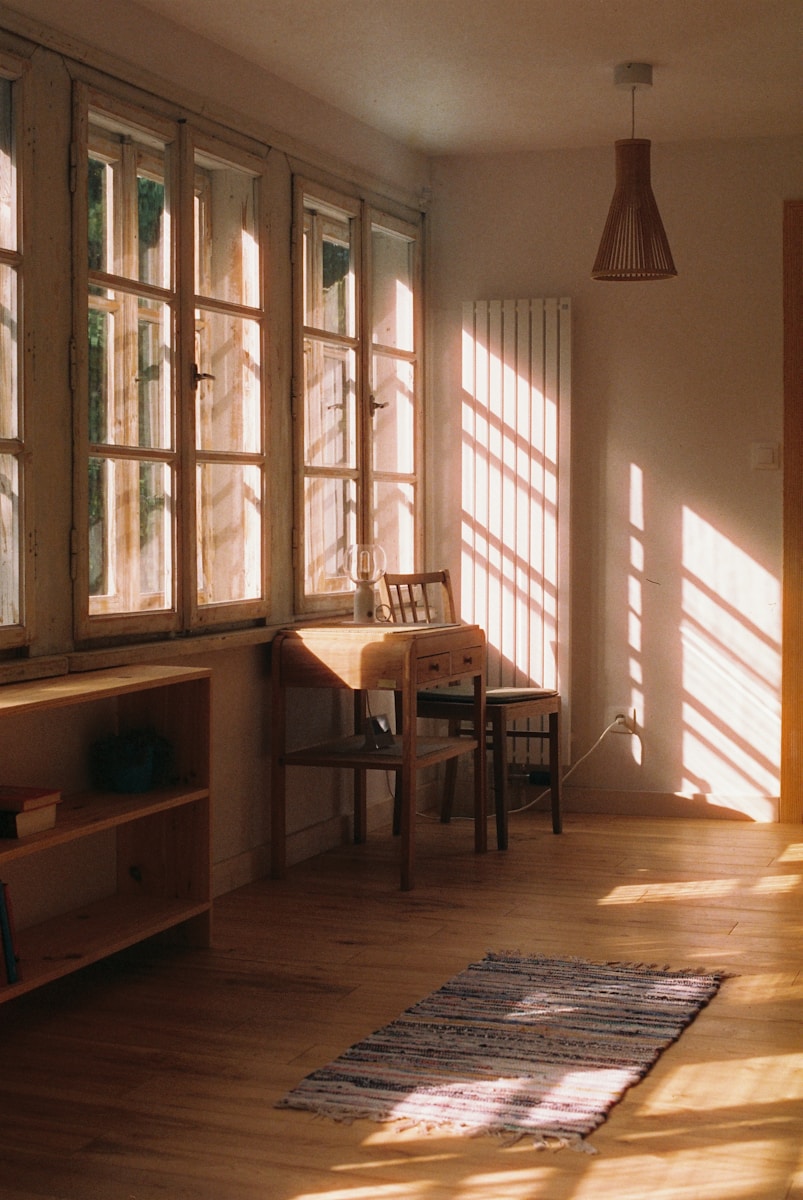

Light has always been more than a practical necessity. It shapes how we see, how we feel, and even how we live. The right lighting can make a home feel warm, expansive, and alive — or, if chosen poorly, it can leave even the most beautifully decorated rooms feeling flat and uninviting. While many people spend hours picking paint colors, furniture, and décor, they often overlook one of the most transformative details: the light bulb. Choosing the right bulbs for every room isn’t just about wattage or brightness; it’s about crafting atmosphere, emotion, and function.
The Art and Science of Light
Every bulb carries its own personality, and understanding how it interacts with a space begins with a bit of science. The main factors to consider are color temperature, brightness, and type.
Color temperature, measured in Kelvins (K), determines whether light feels warm or cool. Lower temperatures (around 2700K–3000K) produce a soft, yellowish glow reminiscent of candlelight — ideal for comfort and relaxation. Mid-range temperatures (3500K–4100K) strike a neutral tone, perfect for kitchens or offices where clarity matters. Higher temperatures (5000K and above) emit bright, bluish-white light, similar to daylight, energizing and crisp but often too harsh for cozy spaces.
Brightness, measured in lumens, affects mood and visibility. A higher lumen count means more light, but not every room benefits from intensity. For instance, a living room thrives on layers of gentle illumination, while a workshop demands clarity and power.
Finally, the type of bulb — LED, CFL, halogen, or incandescent — influences efficiency and color quality. LED bulbs have become the gold standard: energy-efficient, long-lasting, and available in nearly every shade and style imaginable.
Understanding these principles sets the stage for one of the most rewarding parts of home design — tailoring light to life.
The Living Room: Layers of Warmth and Connection
The living room is where the heart of the home beats loudest — where stories unfold, laughter echoes, and quiet evenings stretch into comfort. Lighting here should encourage both activity and relaxation.
Warm white bulbs (2700K–3000K) set the perfect mood. They cast a soft, inviting glow that complements natural materials and cozy textiles. Instead of relying on one overhead fixture, the trick lies in layering — combining ambient, task, and accent lighting.
A central ceiling light or chandelier provides ambient light, but balance it with task lighting through floor lamps beside reading chairs or table lamps near sofas. Accent lighting, such as sconces or LED strips behind shelves, highlights textures, books, and art, giving the room depth and intimacy.
Dimmable LED bulbs work wonders here — allowing brightness to adjust with the moment. A Sunday morning can feel bright and fresh, while a movie night can settle into a golden hush.
The Kitchen: Brightness Meets Clarity
The kitchen is the most functional room in the house — a place of precision, creativity, and motion. Good lighting here must be practical first, beautiful second.
The ideal color temperature for kitchens is cool white to neutral (3500K–4100K). This range keeps colors true while preventing the yellow tones that can distort food or make countertops appear dull. LED bulbs with high CRI (Color Rendering Index) values — preferably above 90 — ensure that fruits, vegetables, and ingredients appear as vibrant as they are in natural light.
Ceiling fixtures should provide even illumination, but don’t forget task lighting. Under-cabinet LED strips or recessed lights eliminate shadows on countertops, making chopping, mixing, and cleaning safer and easier.
For dining areas attached to kitchens, consider a subtle shift in tone — slightly warmer bulbs over the table create distinction and atmosphere. A pendant with a dimmable LED bulb transforms daily meals into intimate gatherings simply by adjusting brightness.
The Bedroom: Serenity Through Softness
In the bedroom, lighting becomes deeply personal. It sets the rhythm for rest, intimacy, and quiet reflection. Bright, cool lights are an unwelcome guest here; the bedroom thrives on softness.
Opt for bulbs between 2700K and 3000K, which mimic the gentle glow of sunset. Bedside lamps, sconces, and concealed LED strips behind headboards or coves can build layers of light that soothe rather than stimulate.
Smart bulbs can be particularly effective in bedrooms — allowing the light to shift gradually from cool morning tones to warm evening hues, in harmony with the body’s natural circadian rhythm.
Avoid harsh overhead fixtures unless they’re equipped with dimmers. A bedroom’s lighting should whisper, not shout — creating a retreat from the noise of the day.
The Bathroom: Clean Light for Clarity
Bathrooms are one of the few spaces where clarity is non-negotiable. Applying makeup, shaving, or grooming requires accurate, shadow-free illumination.
Cool white light between 3500K and 4000K mimics daylight and ensures true color reflection. Vanity lighting placed at eye level on both sides of a mirror is ideal — it prevents harsh shadows and flattery-distorting glare.
Ceiling lights or recessed LEDs should provide ambient brightness for the entire room. In spa-inspired bathrooms, consider adding warmer accent lighting near bathtubs or alcoves for evening relaxation.
Because bathrooms experience humidity, always use damp-rated bulbs and fixtures to ensure safety and longevity. LED bulbs handle moisture and frequent switching better than older incandescent models, making them the smart choice here.
The Home Office: Energizing Focus
With remote work becoming the new norm, home offices demand lighting that supports concentration without fatigue.
A color temperature between 4000K and 5000K works best — bright, cool light that mimics daylight and keeps the brain alert. Position task lamps on desks to prevent glare on computer screens and use diffused ceiling lighting to balance the overall space.
The key is adaptability. Smart bulbs or tunable LEDs can shift color temperature throughout the day — cool light during working hours and warmer tones in the evening to signal wind-down time.
Good lighting here isn’t just about visibility; it’s about mental clarity. The right bulb can make the difference between a productive day and one filled with eye strain and distraction.
The Dining Room: Ambience and Elegance
The dining room is about mood, not mechanics. Lighting here should flatter faces, food, and conversation. Warm white bulbs (around 2700K) bring richness to wood, textiles, and skin tones alike.
A chandelier or pendant light above the table, paired with a dimmer, gives instant versatility. During dinner parties, lower the brightness to create intimacy; for family breakfasts, raise it to welcome the day.
Wall sconces or sideboard lamps can add layers of ambient glow, making the room feel like a stage set for gathering — a place where light dances off glassware and laughter feels illuminated.
The Hallway and Entryway: Guiding Light
These transitional spaces often get overlooked, yet they set the tone for the entire home. Entryways benefit from bulbs around 3000K–3500K — bright enough for functionality but warm enough to feel welcoming.
Recessed ceiling fixtures or flush mounts provide even illumination, while accent lighting on artwork or mirrors adds character. Motion-sensor LED bulbs are practical additions for late-night navigation, offering safety without fuss.
Hallways should maintain continuity with adjacent rooms, using similar color temperatures to create seamless flow. A home that’s consistent in lighting feels naturally balanced and thoughtfully composed.
Outdoor and Utility Spaces: Practical Brilliance
Outdoor areas and garages require durable, weather-resistant bulbs with ample brightness. Choose cool white LEDs (4000K–5000K) for driveways, walkways, and porches to enhance visibility and security.
For patios or decks, warmer bulbs around 2700K–3000K create a cozy, firelight-inspired atmosphere for evening relaxation. Energy-efficient LEDs are ideal here — they withstand temperature changes, reduce electricity costs, and can be integrated with motion sensors or timers for convenience.
Lighting for Lifestyle
Choosing the right bulb is as much about how you live as where you live. Homes evolve — from morning routines to late-night reading, from dinner parties to quiet weekends. The best lighting supports these rhythms effortlessly.
Think of bulbs as the unseen storytellers of the home: they highlight laughter, soften solitude, and bring clarity to life’s smallest moments. Whether it’s a bright white morning in the kitchen or a dim, golden evening in the living room, light shapes the emotional temperature of every experience.