
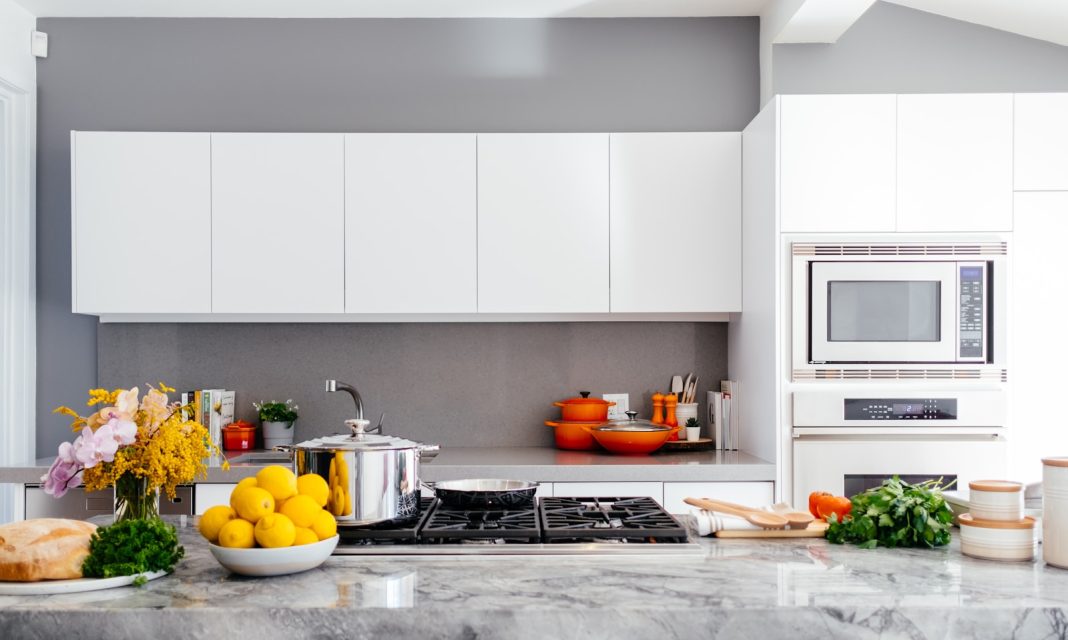

The kitchen is the beating heart of a home. It’s where mornings begin, conversations unfold, and family recipes are passed down through generations. Yet for all its emotional and functional importance, one element is often underestimated in shaping how a kitchen feels and performs: lighting. The right lighting can transform even the most ordinary space into one that sparkles with energy, warmth, and life. It can make colors more vibrant, surfaces more inviting, and daily routines far more enjoyable.
Designers often say that lighting is the “magic ingredient” of interior design, and nowhere is that more evident than in the kitchen. It’s not simply about brightness — it’s about balance, warmth, and rhythm. Good lighting highlights beauty, enhances function, and evokes emotion. The secret to making your kitchen shine lies not in extravagant fixtures, but in layering light thoughtfully and purposefully to suit every mood and moment.
- Understanding the Purpose of Light
Lighting in the kitchen must first serve a purpose before it serves a style. It has to be functional — illuminating work areas where meals are prepared, dishes are washed, or ingredients are chopped. But beyond practicality, it also sets the emotional tone of the space.
Think about the rhythm of a typical day. Morning light should energize; midday brightness should support focus and clarity; evening illumination should soften and soothe. The key is flexibility. A kitchen that glows with a warm, welcoming light at dinner but feels crisp and clear for daytime cooking embodies true design harmony.
To achieve this, successful lighting design layers three essential types: ambient, task, and accent lighting. Each plays a unique role, and together they create a seamless, balanced glow that adapts to your life’s moments.
- The Foundation: Ambient Lighting
Ambient lighting is the base layer — the overall illumination that fills the room. It ensures there are no dark corners or uneven shadows, making the space feel open and comfortable. In many kitchens, ambient lighting comes from recessed ceiling lights or flush-mounted fixtures that spread soft, even light across the room.
But the best ambient lighting goes beyond mere function. The color temperature and intensity of your light matter deeply. Cool white bulbs can make a space feel sterile, while overly warm tones might make it appear dim or dated. The sweet spot is often a neutral-to-warm light (around 2700K to 3000K) — bright enough for cooking but gentle enough for conversation.
To enhance ambience, consider how light reflects off surfaces. Glossy tiles, polished countertops, and stainless-steel appliances all interact differently with illumination. Diffused lighting prevents harsh glares and creates a gentle radiance that feels both natural and comforting.
- Task Lighting: Precision Meets Performance
If ambient lighting sets the mood, task lighting gets down to business. It focuses on specific areas where functionality matters most — countertops, stovetops, sinks, and islands. Without proper task lighting, even the most beautiful kitchen can become frustrating to use.
Under-cabinet lighting is perhaps the unsung hero of kitchen illumination. Positioned directly above work surfaces, it eliminates shadows cast by overhead fixtures and cabinets. LED strip lights or puck lights are discreet yet powerful options, offering both energy efficiency and sleek design.
Pendant lights over an island serve a dual purpose — practical and aesthetic. They not only provide directed light for meal prep but also act as visual anchors, defining the space within an open-plan layout. The secret is proportion: pendants should hang low enough to create intimacy but high enough not to obstruct vision.
For areas like the sink, a focused beam — often from a recessed fixture or small spotlight — ensures clarity when washing or preparing food. A well-lit sink can actually become a feature in itself, glimmering under purposeful light.
- Accent Lighting: The Mood Maker
Accent lighting is what gives a kitchen its character. It’s the soft glow that highlights architectural details, open shelving, or decorative elements. It’s not essential for cooking, but it’s indispensable for charm.
Imagine a gentle wash of light under a floating shelf, illuminating glass jars or ceramic dishes. Or subtle toe-kick lighting along the base of cabinets that casts a faint shimmer across the floor at night. These touches turn an everyday kitchen into an experience.
Accent lighting can also be used to draw attention to texture — the grain of wooden cabinetry, the sparkle of a tiled backsplash, or the veining of marble countertops. When done right, it adds depth and visual rhythm, transforming the kitchen into a layered, dimensional space that feels alive even when no one is cooking.
- The Power of Natural Light
No artificial fixture can quite replicate the beauty of natural light. Sunlight brings warmth, freshness, and a shifting sense of time to your kitchen. It highlights colors accurately and contributes to emotional well-being.
If you’re fortunate enough to have windows, skylights, or glass doors in your kitchen, maximize their potential. Avoid heavy drapes; instead, use light-filtering shades or sheer curtains that diffuse sunlight while maintaining privacy. Keep windows clean — it sounds simple, but sparkling glass can dramatically increase the quality of light entering a room.
For kitchens without generous natural light, consider mirrors or glossy backsplashes to reflect existing light sources. Even small design tweaks — like pale wall colors and open shelving — can help amplify brightness and make the space feel more open.
- Layering: The True Secret to Great Lighting
The most inviting kitchens don’t rely on a single source of light. They layer it — combining ambient, task, accent, and natural lighting in harmony. Layering allows flexibility, making your kitchen equally suited for chopping vegetables, hosting friends, or enjoying a quiet midnight snack.
Dimmers are indispensable tools in this strategy. They let you adjust brightness throughout the day, shifting from practical daylight brightness to soft evening glow. Smart lighting systems go even further, allowing you to program moods or control settings with voice commands or apps.
Layering also brings depth to design. A single ceiling fixture might flood a room with light, but it flattens visual interest. Multiple, thoughtfully placed light sources create contrast and movement — a space that feels dynamic and alive.
- The Human Connection: Warmth and Welcoming Energy
A well-lit kitchen doesn’t just shine; it feels warm. Lighting has an emotional impact, influencing how we connect with the space and with one another. Too harsh, and it alienates; too dim, and it dulls conversation.
Warm-toned bulbs foster relaxation and friendliness, making meals feel more intimate. Candlelight, or low pendant light during dinner, softens features and encourages slower, more meaningful interaction. Lighting isn’t just about visibility; it’s about atmosphere — a silent invitation to gather, cook, and share stories.
When guests walk into a kitchen with well-balanced lighting, they sense something intangible — comfort. It’s not merely design; it’s hospitality expressed through illumination.
- Common Mistakes and How to Avoid Them
Many kitchens fall short of their potential due to avoidable lighting mistakes. Over-reliance on a single overhead fixture is the most common one — it casts shadows and creates glare. Another mistake is ignoring color temperature consistency. Mixing cool and warm bulbs can make surfaces appear mismatched or uneven.
Installing lights without considering surface reflection is another pitfall. Highly polished materials can bounce light in harsh ways, while matte finishes absorb it. The key is balance — knowing your materials and choosing lights that complement them.
Lastly, never underestimate the importance of placement. A few inches can determine whether light flatters or frustrates. Always test lighting positions before final installation, observing how they interact with your room’s layout and daily activities.
- Lighting as a Reflection of Lifestyle
The best kitchen lighting aligns with your lifestyle. For a busy family, bright and even illumination might take priority, while for an avid entertainer, dimmable fixtures and accent lights create ambiance for gatherings.
If you love early mornings, maximize east-facing windows. If your evenings are filled with dinner parties, consider layered pendant lighting and under-cabinet glows. Your lighting should serve you — not the other way around. Design, after all, is about shaping experience, not just appearance.
- The Final Glow
The secret to making your kitchen shine is not hidden in a catalog of expensive fixtures — it lies in intentionality. Light should be chosen, placed, and layered with care, reflecting both the functional demands and emotional rhythms of daily life.
A well-lit kitchen celebrates the ordinary: the morning cup of coffee, the laughter over a shared meal, the quiet midnight snack. It enhances not just how your kitchen looks, but how it feels to live in it.
When light is used thoughtfully, it doesn’t simply brighten a room — it illuminates the heart of the home.