
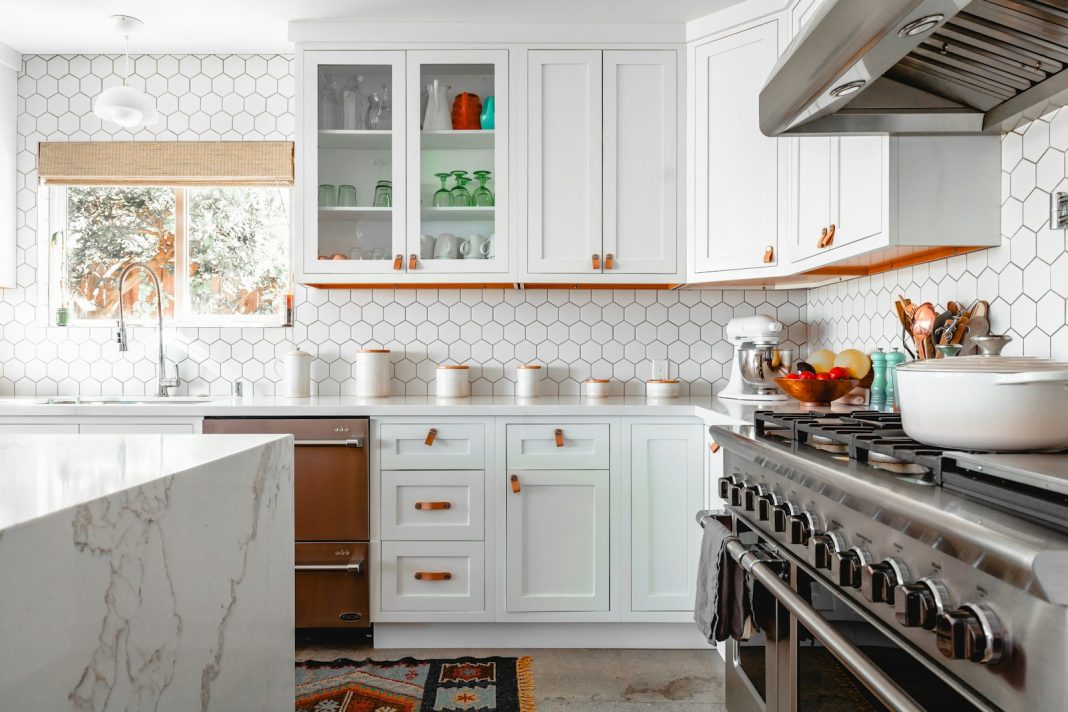

In every home, the dining space holds a special kind of magic. It’s where family stories are told between bites, where laughter spills over steaming plates, and where moments both ordinary and extraordinary unfold. Yet, designing a dining area that feels as inviting as it is practical can be trickier than it seems. The best dining rooms don’t just look beautiful — they work beautifully, too. They’re spaces that flow, adapt, and comfort; spaces that make you want to linger long after the meal is over.
Blending function and beauty in a dining space is not about following a single trend or achieving magazine perfection. It’s about creating a room that serves your lifestyle while nourishing your senses. Whether your dining area is a grand room or a cozy corner, thoughtful design can transform it into the heart of your home — a place where form and function truly sit at the same table.
The Purpose of the Dining Room: More Than a Place to Eat
In many modern homes, the dining space is no longer a formal room reserved for holidays and special occasions. It has evolved into a multifunctional hub, seamlessly integrating with the kitchen or living area. It’s where homework is done, laptops open for morning emails, and impromptu conversations take place over coffee.
Understanding this shift in purpose is the first step in designing effectively. Function comes before decoration — not to overshadow beauty, but to support it. The layout, lighting, and furniture choices should reflect how the space is truly used. A family with young children will need durable surfaces and flexible seating, while an avid entertainer might prioritize ambience and flow for gatherings.
Before picking out chairs or color palettes, ask yourself: What does this space mean to me? Your answer shapes everything that follows.
Form Follows Function: Designing for Daily Life
A functional dining room begins with layout and proportion. The table is naturally the centerpiece, but its size and placement can make or break the room’s usability. A common mistake is choosing a table that’s too large, leaving no breathing space. The rule of thumb is to allow at least 36 inches of clearance around the table so guests can move comfortably.
Round tables work wonderfully in smaller rooms, promoting intimacy and easy conversation. Rectangular or oval tables suit longer rooms or open-plan layouts. Extendable tables offer flexibility — perfect for households that host occasionally but don’t want to sacrifice everyday space.
Seating should be practical yet inviting. Upholstered chairs add comfort for long dinners, while wooden or mixed-material chairs offer durability and visual contrast. A bench on one side can soften the look and create a communal, relaxed feel. The secret is balance — choosing pieces that encourage comfort without overwhelming the room’s proportions.
Storage is another overlooked functional element. A well-placed sideboard or buffet can double as serving space during gatherings and as discreet storage for linens, dishes, or glassware. Function doesn’t have to mean boring; a vintage cabinet or minimalist credenza can anchor the room with both utility and charm.
The Aesthetic Layer: Creating Visual Harmony
Once the foundation of function is laid, beauty steps in. The visual tone of a dining space should reflect not only personal taste but also the emotional energy you want to cultivate. Do you envision a warm, rustic atmosphere filled with texture and earthy tones? Or a modern, airy space with clean lines and subtle elegance?
Color plays a major role here. Neutral tones such as beige, soft gray, or creamy white create a serene backdrop, allowing textures and materials to shine. Warmer hues — terracotta, olive green, deep blue — bring coziness and depth. If your dining area connects to an open kitchen or living room, consider continuity in color palettes so the spaces flow together naturally.
Texture and material variation breathe life into the design. A wooden table paired with woven chairs and linen curtains can evoke natural simplicity, while marble, metal, or glass accents introduce refinement. Layering these textures adds depth and warmth, preventing the room from feeling flat or overly polished.
Art and décor also matter — but restraint is key. A single statement piece, such as a large painting, sculptural mirror, or gallery wall of family photos, can define the space. Fresh flowers or greenery on the table instantly add vitality. The goal is not to decorate for decoration’s sake but to create an atmosphere that feels effortlessly lived-in.
The Role of Lighting: The Unsung Hero
Lighting can make or break a dining experience. Too bright, and the room feels sterile; too dim, and the meal feels dreary. Ideally, you want layers of light: a pendant or chandelier over the table for focus, ambient lighting from nearby lamps or recessed fixtures for warmth, and perhaps accent lighting to highlight artwork or textures.
When choosing a statement fixture above the table, scale is crucial. A good rule is to select a light that’s roughly one-third the width of your dining table, hung about 30 to 36 inches above it. Dimmer switches are invaluable — they allow you to shift easily from bright breakfast energy to intimate evening glow.
Natural light, too, should be celebrated. Sheer curtains can soften sunlight during the day while maintaining a sense of openness. If privacy is needed, consider layered window treatments — roman shades with side drapes, for example — for both practicality and sophistication.
The Emotional Ingredient: Atmosphere and Connection
The most successful dining spaces are not designed — they’re felt. They have an intangible quality, a sense of comfort and belonging that draws people in. This is where atmosphere plays a vital role.
Scent, sound, and even temperature contribute to the experience. A flicker of candlelight, the smell of a meal in progress, the warmth of wood underfoot — these details activate emotion and memory. They remind us that dining is a sensory ritual, not just an act of nourishment.
Don’t be afraid to mix high and low elements. Pair elegant dinnerware with handmade ceramics, or layer a linen table runner over a reclaimed wood table. Beauty lies in imperfection, in the traces of life that make a room authentic. A functional dining space shouldn’t feel like a showroom; it should feel like you.
Small Spaces, Big Design
Even the tiniest dining areas can achieve both beauty and practicality. In compact homes or apartments, consider multi-use furniture — drop-leaf tables, built-in benches with storage, or foldaway chairs that can be neatly tucked aside. Mirrors can visually expand the room, while light, reflective colors create an airy impression.
Wall-mounted shelves or corner units offer vertical storage without crowding floor space. A small round table paired with slender chairs often works better than bulky rectangular pieces. And don’t underestimate the power of a thoughtfully chosen rug — it helps define the dining zone, even within an open-concept layout.
In smaller settings, every detail must earn its place. Minimal clutter, smart storage, and flexible pieces allow the space to feel open without sacrificing utility.
Sustainability and Longevity
Designing a functional yet beautiful dining space also means thinking long-term. Quality materials, timeless design, and sustainability go hand in hand. Choosing durable furniture made from responsibly sourced wood, recycled metals, or eco-friendly fabrics not only benefits the environment but ensures your dining space ages gracefully.
Trends come and go, but well-made pieces — a solid oak table, a handwoven rug, a set of classic dining chairs — can last generations. Layer them with personal touches over time. Beauty that grows with life is far richer than a fleeting aesthetic.