

Living in a studio apartment is both a creative challenge and an opportunity. With just one open space to sleep, eat, relax, and even work, you learn quickly that every square foot counts. The beauty of a studio lies in its simplicity — it forces you to think intentionally, to design smarter, and to create a home that feels bigger than its boundaries.
The trick isn’t about cramming more in, but about arranging what you have in ways that make sense for your lifestyle. Whether you’re living in a downtown loft, a small city flat, or a converted attic space, these ten studio apartment layout ideas can help you turn limited space into a place that truly works — and feels like home.
- The “Zoned Sanctuary” Layout
The first step to making a studio functional is zoning. Without walls, it’s easy for everything — your bed, your desk, your kitchen — to blur together. A good layout uses visual and physical dividers to create the illusion of distinct rooms.
For example, place your sofa at a right angle to your bed to act as a natural barrier between “living” and “sleeping.” Use a rug under your coffee table to define your sitting area. You can even hang a light curtain or bookshelf between the two spaces if you crave more privacy.
The goal is simple: give each zone its own identity without making the room feel chopped up. Think open flow with gentle separation — a sanctuary where everything has its place.
- The Lofted Dream
If your studio has tall ceilings, a lofted layout can change everything. Raising your bed off the ground — even by a few feet — creates precious square footage underneath. That space can become a reading nook, home office, or even a mini living room.
A loft bed doesn’t have to look like a dorm setup. You can style it with wood accents, built-in steps, and cozy lighting to make it feel intentional and mature.
This design makes the most of vertical space, something many people overlook. When floor area is limited, think upward — not outward.
- The Floating Furniture Strategy
In small apartments, the instinct is to push furniture against walls to “open up” the middle. Ironically, this can make a space feel flat and crowded. Instead, try floating furniture — like positioning your sofa in the center of the room with a slim console table behind it.
This creates flow and allows you to use the back of furniture as a subtle divider. You can then tuck storage bins or books underneath, keeping the space tidy.
By pulling pieces slightly away from the walls, you’ll create better balance and movement — and surprisingly, your studio will feel larger and airier.
- The Multifunctional Magic Layout
When you live small, your furniture has to work overtime. Think modular pieces: a sofa that converts into a guest bed, a dining table that folds into a wall desk, or an ottoman that doubles as hidden storage.
Arrange your furniture so that each area can shift easily. For instance, a small round dining table beside your kitchen can double as a workspace during the day. Foldable chairs can hang on the wall when not in use.
This layout is all about flexibility — designing your space to adapt to your day rather than being locked into one purpose.
- The Gallery Wall Divider
One of the simplest ways to make a studio feel personal and layered is through the use of art. A large gallery wall can not only bring character but also act as a visual anchor that separates zones.
Try creating an art cluster above your sofa or bed to define that area as distinct. You could also use tall bookshelves or freestanding frames as partial dividers. These design tricks draw the eye upward and give the illusion of separate “rooms” within one continuous space.
It’s functional art — a style statement that doubles as smart space planning.
- The Kitchen Corner Arrangement
The kitchen is often the trickiest part of a studio layout. To make it work, treat it like its own little corner world. Use a compact island or bar cart as a subtle divider between the kitchen and living area.
Keep your counters clear and your color palette simple — too many visual elements can overwhelm a small space. Consider open shelving for frequently used items, or magnetic wall racks for spices and utensils.
If you can, position your dining area adjacent to the kitchen rather than in the center of the room. This preserves open floor space while keeping mealtime convenient.
- The Sleeping Nook
Privacy is a luxury in a studio, but you can still carve out a cozy sleeping area that feels tucked away. A strategically placed screen, curtain, or tall headboard can instantly create a sense of retreat.
You might even position your bed behind a low shelf or inside an alcove, so it feels semi-enclosed. Adding soft lighting — a wall sconce or small lamp — can make it feel like its own little cocoon.
The key is separation through subtlety. You don’t need a wall to define a bedroom; you just need thoughtful placement and ambiance.
- The Mirrored Illusion
Mirrors are the oldest trick in the small-space design book — and for good reason. They reflect light, expand the visual field, and make even a tight apartment feel twice its size.
Hang a large mirror opposite a window to amplify natural light. Or use mirrored furniture, like a coffee table or wardrobe, to bounce brightness around the room.
The mirrored illusion layout isn’t about vanity — it’s about depth. By playing with reflections, you can make your studio feel open, airy, and infinitely more spacious.
- The Minimalist Flow
Sometimes, less really is more. A minimalist layout focuses on simplicity — clean lines, neutral tones, and uncluttered surfaces. Every piece of furniture should earn its place.
Choose a streamlined sofa, a compact dining table, and hidden storage wherever possible. Keep décor soft and cohesive — maybe a few textured pillows, a single plant, or a piece of art that sets the mood.
This approach works especially well for small studios because it prioritizes flow. The space feels calm, breathable, and easy to navigate — everything you want in a small home.
- The Personality-Driven Layout
Ultimately, the best layout is the one that reflects you. Maybe you love hosting friends — then create an open social zone with floor cushions and movable stools. Or perhaps you’re a reader — design a corner with a cozy chair, warm light, and a small bookshelf.
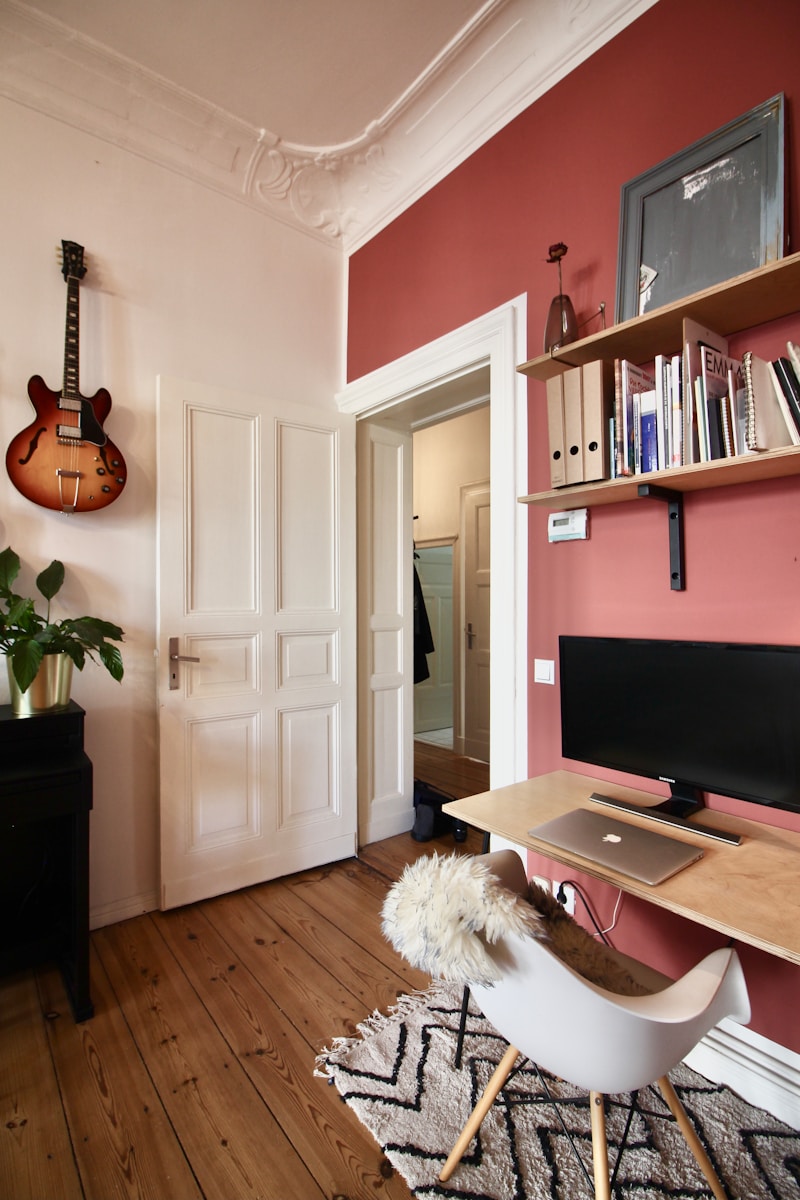
The personality-driven layout isn’t about following design rules; it’s about embracing your habits. A musician might mount guitars on the wall to save floor space, while a painter might dedicate one corner to a small easel.
When your apartment layout matches your lifestyle, it feels natural, personal, and sustainable.
Bringing It All Together
Designing a studio apartment is a puzzle, but it’s one worth solving. The best layouts come from paying attention — to your daily routines, your comforts, and how you actually use your space.
A studio doesn’t have to feel cramped or temporary. With creativity and thoughtful planning, it can feel expansive, organized, and truly yours. The magic happens when you blend functionality with warmth — when every piece serves a purpose but still contributes to the story of who you are.
At the end of the day, a good layout isn’t just about furniture placement; it’s about flow, comfort, and emotion. When you walk through the door and everything feels balanced — when you can cook, rest, work, and unwind all within reach — that’s when your studio really works.
It’s not about the square footage. It’s about the way you live inside it.